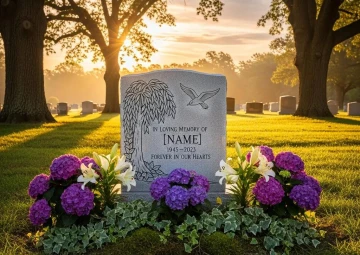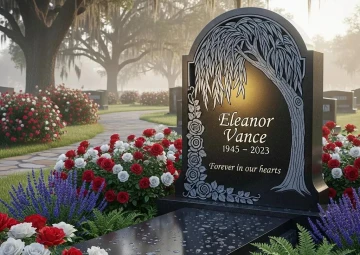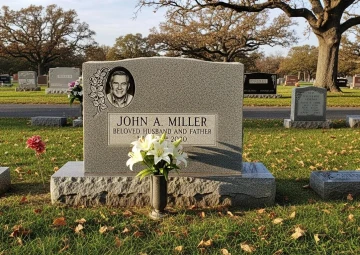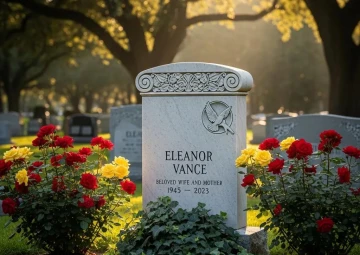
The design of luxury headstones has evolved as tastes, technology, and cultural values have shifted. This guide lays out the practical differences between modern and classical luxury headstones, the materials that define each approach, and the personalization choices that make a memorial feel personal and lasting. You’ll find clear features of both styles, care notes for common materials, and advice to help you choose a memorial that truly honors a life. We cover traditional forms and details, contemporary materials and techniques, and ways to combine the two with thoughtful customization.
Academic work helps trace this change, showing how stone memorials moved from established public monuments to a wider range of contemporary expressions.
Stone Memorials: Evolution of Classical & Modern Designs
This chapter looks at how stone has been used to shape urban memorials, drawing examples from Melbourne and similar cities. Nineteenth‑century marble statues and bronze figures raised on stone plinths still mark many public spaces. The author shows how these colonial monuments were later joined by twentieth‑century nationalist memorials—often honoring military sacrifice—and how, since the Second World War, many alternative and oppositional memorials have appeared to challenge and broaden official narratives. The result is a richer, more varied landscape of commemorative forms and meanings across cities.
Remembering with Stone, T Edensor, 2020
How Do We Define Luxury in Modern and Classical Headstone Design?
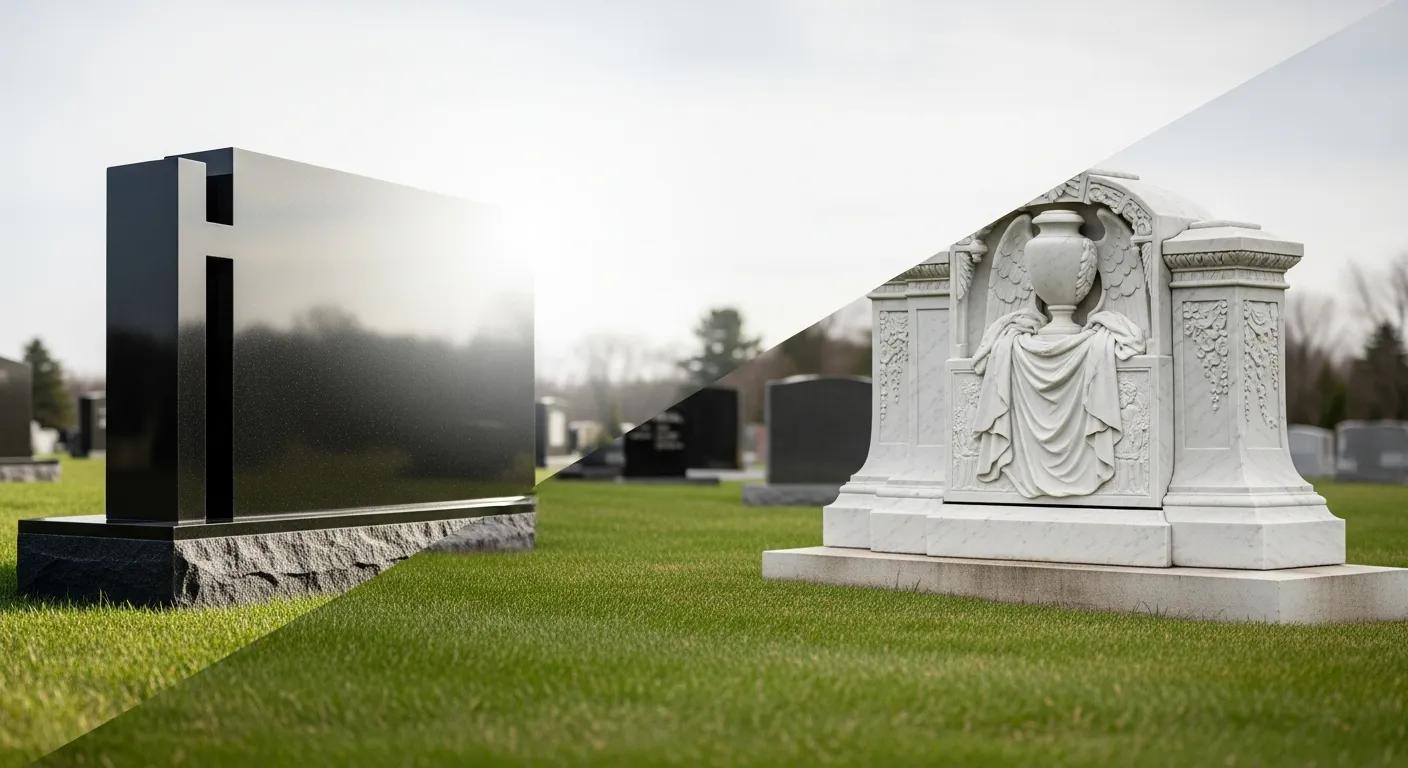
We define luxury in headstones by three consistent qualities: premium materials, expert craftsmanship, and meaningful personalization. Both modern and classical designs value these elements, but they present them differently. Modern luxury leans toward clean lines, new materials, and understated personal touches. Classical luxury emphasizes timeless shapes, detailed carving, and traditional finishes. Understanding these differences helps families choose a memorial that reflects the person they remember.
Which Materials Best Represent Luxury in Headstone Craftsmanship?

Luxury headstones are built from materials chosen for beauty and longevity. Common options include:
- Granite: Exceptionally durable and available in many colors and finishes, granite suits both modern and classical styles.
- Marble: Valued for soft veining and a refined look, marble reads as classic—though it weathers faster outdoors than granite.
- Bronze: Used for plaques and accents, bronze ages to a dignified patina and resists the elements well.
- Glass: Popular in contemporary pieces for its translucence and ability to work with light or sculpture; it requires careful siting and handling.
Picking the right material is a balance of appearance, maintenance needs, and how long you expect the memorial to last in its setting.
How Does Personalization Elevate a Luxury Memorial?

Personalization is where high quality becomes deeply personal. Popular options include:
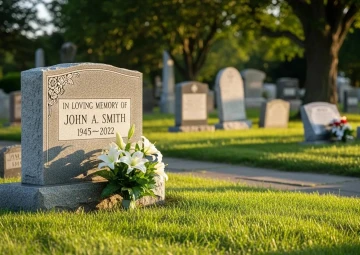
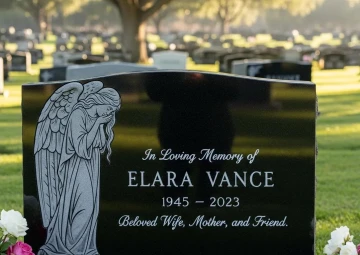
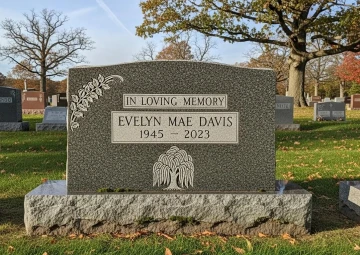
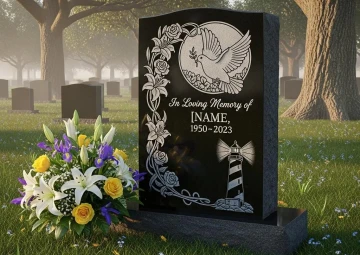
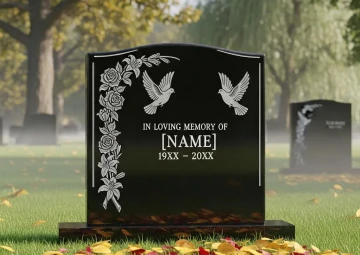
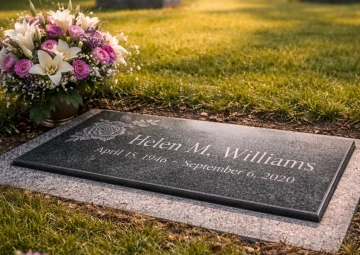
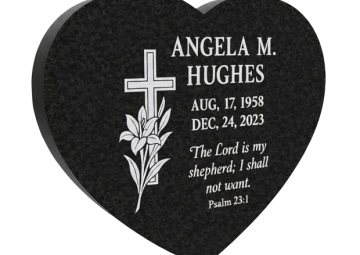
- Engraving: Names, dates, and short epitaphs or favorite lines turn the stone into a focused, personal message.
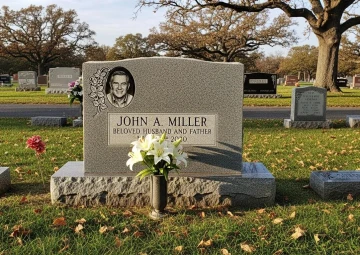
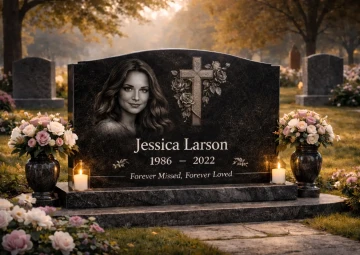
- Portraits: Laser or ceramic portraits and sculpted likenesses help visitors reconnect with a familiar face.
- Symbols: Faith emblems, hobby motifs, or achievement markers add context and emotional depth.
These choices transform a well-made monument into an intimate tribute that resonates with family and friends.
What Are the Hallmarks of Classical Luxury Headstone Design?
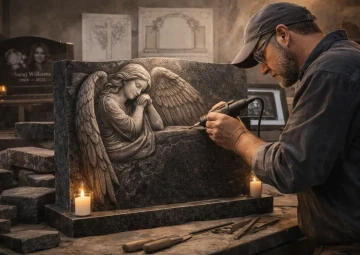
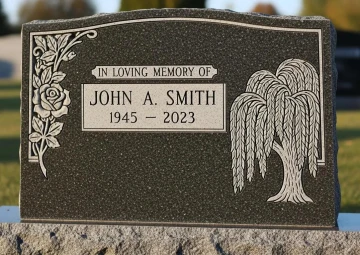
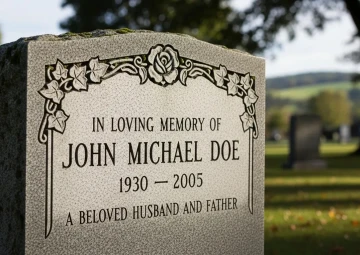
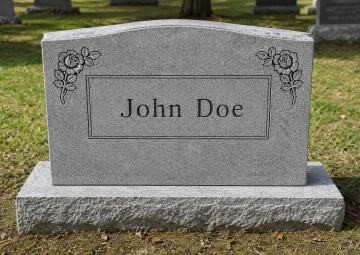
Classical luxury headstones draw strength from tradition: recognizable forms, careful carving, and symbolic detail. Their lasting appeal comes from skilled handwork and cultural meaning.
Which Traditional Shapes and Ornate Carvings Appear Most Often in Classical Memorials?
Classical headstones often use traditional forms such as:
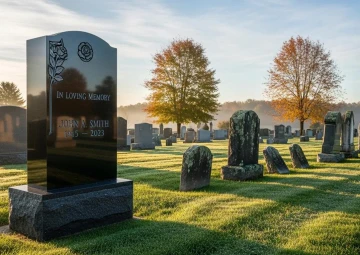
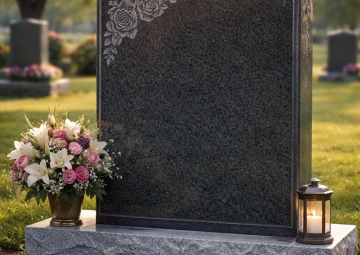
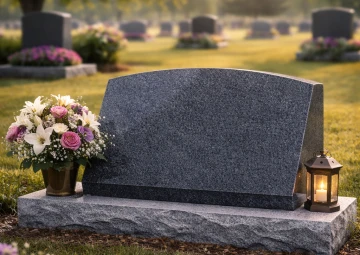
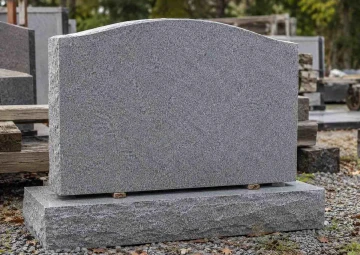
- Upright Monuments: Tall, stately markers intended to be seen across a cemetery landscape.
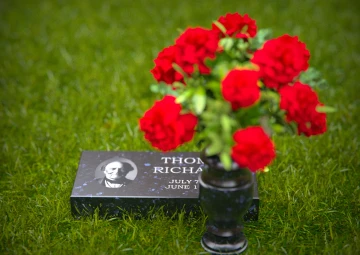
- Flat Markers: Low-profile stones used alone or alongside upright monuments for a restrained presence.
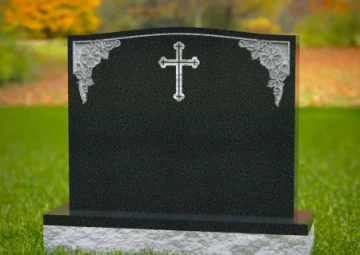
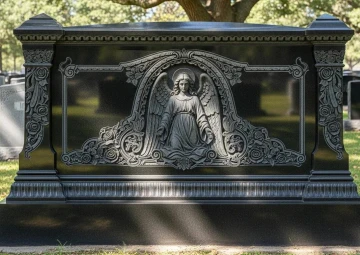
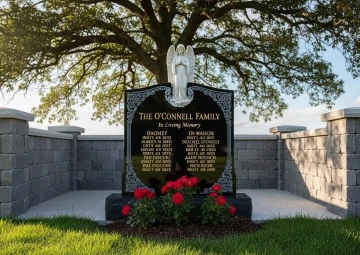
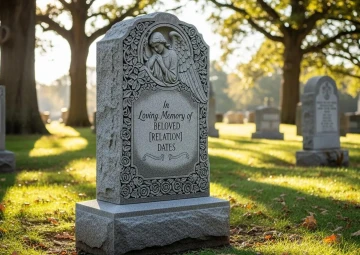
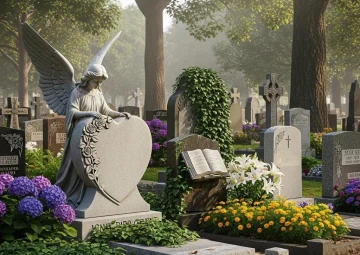
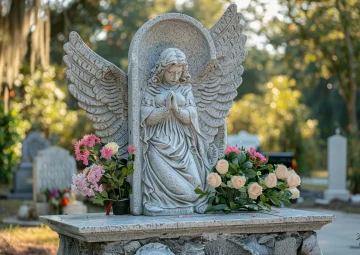
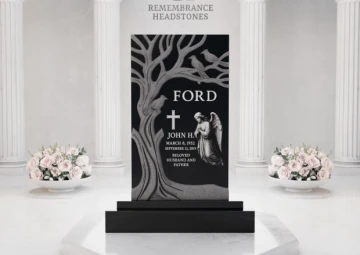
- Crosses and Angels: Religious and spiritual figures remain common for families honoring faith and heritage.
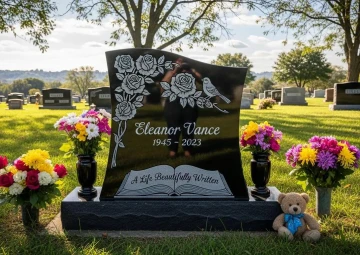
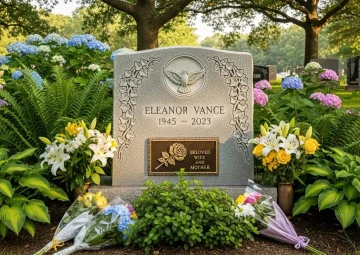
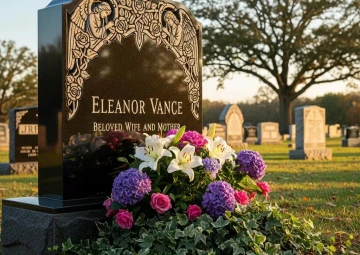
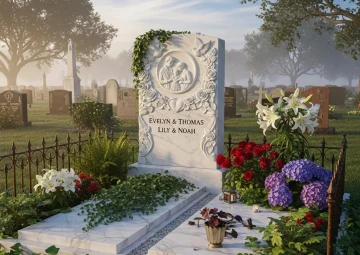
Intricate carving—floral motifs, carved borders, and sculptural flourishes—highlights the hand craftsmanship that defines classical memorials.
How Do Religious Symbols and History Influence Classical Designs?
Religious imagery and historical styles strongly influence classical headstones. Typical symbols include:
- Crosses: Central to many Christian memorials and often a focal point of the design.
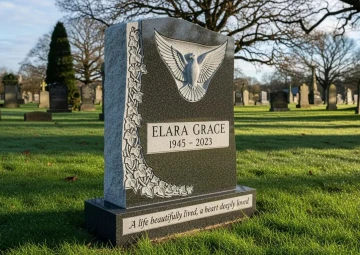
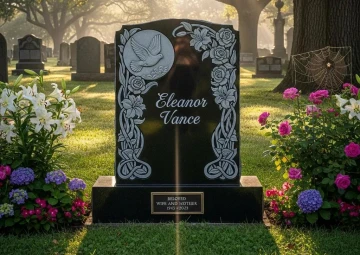
- Doves: Representing peace and the soul's journey, doves are used to convey comfort and hope.
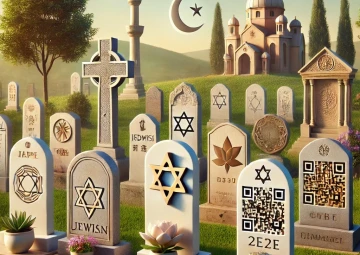
- Star of David: A clear marker of Jewish identity and tradition when chosen for a memorial.
Beyond symbols, classical pieces often borrow architectural language—Gothic arches, Baroque ornament, and other historical references—that lend a sense of permanence and context.
What Distinguishes Modern Luxury Headstone Design?
Modern luxury headstones favor simplicity, new materials, and subtle personalization. They suit families seeking a contemporary aesthetic or a highly individual expression of remembrance.
How Do Minimalist Aesthetics and Custom Shapes Define Modern Memorials?
Modern headstones emphasize clean lines and purposeful form, resulting in characteristics like:
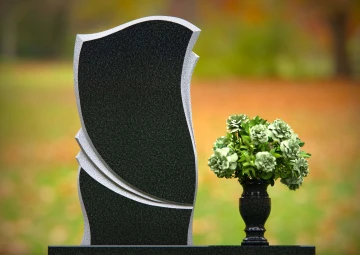
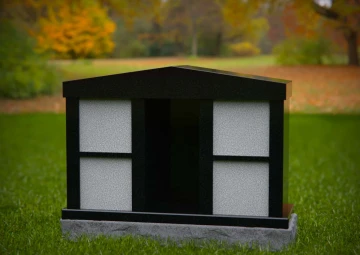
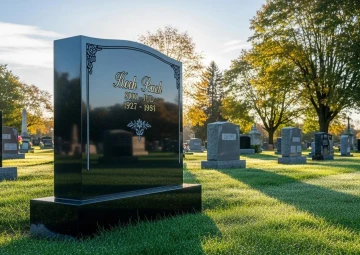
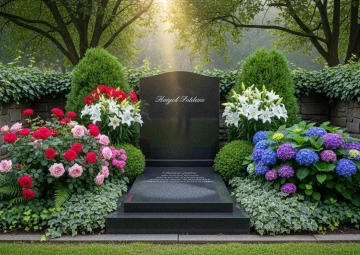
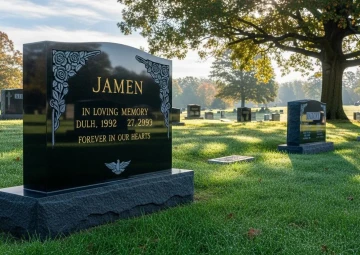
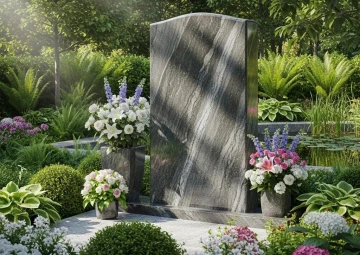
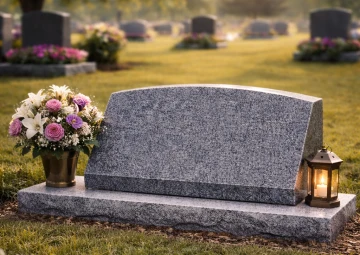
- Sleek Profiles: Smooth surfaces and geometric or pared‑back silhouettes for a contemporary, refined presence.
- Custom Shapes: Bespoke profiles—hearts, waves, or other unique silhouettes—allow the design to reflect personality and story. See our special-shaped headstones for examples.
These choices support clarity and personal meaning while keeping the overall look modern and elegant.
What Part Do Innovative Materials and Digital Elements Play in Modern Designs?
New materials and technologies broaden how families tell a life story. Examples include:
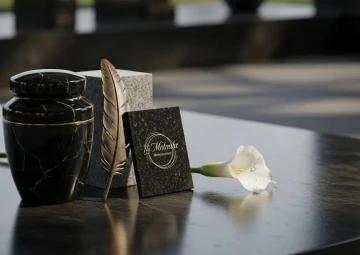
- Composite Materials: Engineered stone and mixed-material assemblies that combine durability with contemporary appearance.
- Digital Features: QR codes or NFC tags that link to online memorials, audio, photo galleries, or video—offering visitors a richer, layered remembrance.
Used thoughtfully, these features add depth without overpowering the monument’s physical presence.
How Do Luxury Headstone Materials Compare Across Styles?
Comparing materials for modern and classical styles means weighing durability, appearance, and upkeep. The right choice depends on the look you want and how the memorial will be maintained over time.
How Do Granite, Marble, Bronze, and Glass Differ in Durability and Style?
The following table summarizes durability and aesthetic traits of common luxury headstone materials:
| Material | Durability | Aesthetic |
|---|---|---|
| Granite | Highly durable and resistant to weathering and fading | Available in many colors and finishes for versatile looks |
| Marble | Less resistant to weathering; can stain or soften over long exposure | Classic, elegant veining that suits traditional designs |
| Bronze | Durable; develops a natural patina while resisting corrosion | Warm, distinguished look often used for plaques and accents |
| Glass | More fragile; requires careful installation and placement | Contemporary, highly customizable and striking with integrated lighting |
Are There Eco-Friendly Luxury Material Choices for Headstones?
Many families today consider sustainability when choosing a memorial. Options to explore include:
- Recycled Materials: Reclaimed stone or metal repurposed to reduce environmental impact.
- Biodegradable Alternatives: Natural‑fiber markers or sand-based options exist, though they are less common for luxury pieces.
- Locally Sourced Stone: Choosing nearby quarries cuts transport emissions and supports local suppliers.
Eco-conscious choices let families honor someone while reducing environmental impact.
How Can Customization Bridge Modern and Classical Designs?
Customization makes it possible to blend classical and modern elements into a single, harmonious memorial—pairing traditional symbolism with contemporary materials or finishes to fit a family’s wishes.
What Does the Bespoke Design Process for Personalized Memorials Look Like?
Our bespoke process typically follows a clear, collaborative path:
- Consultation: We sit down with the family to hear stories, preferences, and practical requirements.
- Design Drafting: Initial sketches bring chosen elements and materials together for review and refinement.
- Approval and Production: After approval, skilled craftsmen create the headstone using the selected materials and techniques.
Close collaboration at every step helps ensure the finished memorial truly reflects the life it honors.
How Do Engravings, Portraits, and QR Codes Add Meaning to Custom Memorials?
These features deepen personalization in complementary ways:
- Engraving: Names, dates, and meaningful lines provide an immediate, emotional anchor.
- Portraits: Durable photographic or sculpted likenesses keep a familiar face present for visitors.
- QR Codes: A discreet code can open an online memorial—stories, photos, or audio—extending the monument’s reach and context.
Together, these options let families balance enduring craftsmanship with modern storytelling.
How Should You Choose Between Modern and Classical Luxury Headstone Designs?
Choosing a design comes down to personal preference, cemetery rules, and budget. Balancing those factors helps families make a choice that is both meaningful and practical.
What Factors Should Guide Your Memorial Design Decision?
Key things to consider include:
- Personal Taste: Reflect the wishes of the deceased and what feels most meaningful to the family.
- Cemetery Regulations: Confirm size, material, and installation requirements with the cemetery before finalizing the design.
- Budget: Set a clear budget that covers materials, customization, and installation to avoid surprises.
These considerations help ensure the final memorial is both beautiful and feasible. How Do Cemetery Regulations, Budget, and Personal Taste Affect Selection?
Cemetery rules often determine what’s possible. Before deciding, check for:
- Size Restrictions: Many cemeteries limit the dimensions of markers and monuments.
- Material Guidelines: Some sites restrict materials or finishes for consistency and maintenance.
- Design Approvals: Several cemeteries require submitted designs to be reviewed and approved before installation.
Balancing regulations, personal taste, and budget is essential to a successful selection.
Frequently Asked Questions
What should I consider when selecting a headstone for a loved one?
Think about the deceased’s personality and your family’s preferences, confirm cemetery rules, and set a realistic budget that covers materials, customization, and installation. That balance helps you choose a memorial that’s respectful, durable, and within expectations.
How can I ensure my headstone is unique and personalized?
Work with a designer to combine engravings, portraits, symbols, or custom shapes that reflect the person’s life. Small, well‑chosen details—an epitaph, a hobby symbol, or a portrait—can make a memorial feel truly distinctive.
What are the differences in maintenance between modern and classical headstones?
Maintenance depends on the material. Marble and some softer stones usually need more frequent care and occasional sealing, while granite and quality composite materials are generally more resistant to weathering. Regular gentle cleaning and periodic inspections will extend any stone’s life.
Are there specific regulations for headstone designs in different cemeteries?
Yes. Cemeteries commonly set rules on size, materials, and installation to preserve site appearance and safety. Some require formal design approval before installation. Always check with the cemetery early in the process.
What role do cultural traditions play in headstone design?
Cultural and religious traditions often guide symbols, inscriptions, languages, and overall style. Discussing choices with family members or cultural advisors ensures the memorial honors those traditions respectfully.
Can I incorporate technology into a luxury headstone?
Yes. QR codes and NFC tags are increasingly used to link visitors to online memorial pages, photos, or audio recordings. When integrated thoughtfully, technology enhances storytelling without detracting from the stone’s presence.
What is the average cost of luxury headstones?
Costs vary widely by material, size, and level of customization. Typical budgets start around $1,000 and can exceed $10,000 for large, highly personalized monuments. Durable materials and extensive personalization increase the investment—factor in possible long‑term upkeep as well.
How long does it take to design and install a luxury headstone?
From the first consultation to installation, timelines range from a few weeks to several months. Custom or intricately carved pieces take longer for design approval and production. Weather and cemetery scheduling can also affect installation timing, so allow extra time if a specific date matters.
Can I change the design of a headstone after it has been installed?
Minor additions—extra engraving, bronze plaques, or mounted portraits—are often possible. Major alterations are limited by the original material and structure. Consult your memorial maker to review feasible options and associated costs.
What maintenance is required for luxury headstones?
Regular, gentle cleaning helps preserve appearance and longevity. Use a soft cloth, mild soap, and water—avoid harsh chemicals and abrasive tools. Inspect for chips or damage after severe weather. For porous stones like marble, discuss protective sealants with your memorial professional.
Are there any cultural considerations when choosing a headstone design?
Yes. Religious beliefs, cultural customs, and family traditions can shape inscriptions, symbols, languages, and layout. Engage relatives or cultural advisors when needed to ensure the design respects those practices.
What are the benefits of choosing eco-friendly headstone options?
Eco-friendly choices reduce environmental impact and reflect values of sustainability. Recycled materials, locally sourced stone, or biodegradable markers cut resource use and transport emissions. For families who prioritize stewardship, these options offer a meaningful alternative.
Conclusion
Understanding the differences between modern and classical luxury headstone styles helps families create memorials that feel true to a loved one’s life. By weighing materials, personalization options, and practical constraints, you can choose a design that endures both emotionally and physically. Whether you favor the timeless grace of classical work or the subtle innovation of modern design, a carefully crafted memorial can be tailored to honor that unique legacy. Explore our selection of luxury headstones to find a tribute that fits your family’s needs.