Table of Contents
What Defines Craftsmanship in Handcrafted Headstones?
How Do Handcrafted Headstones Compare to Machine‑Made Memorials?
Why Are Handcrafted Grave Markers More Durable and Long‑Lasting?
What Are the Benefits of Choosing Artisan Memorial Stones?
How Does Remembrance Headstones Ensure Superior Craftsmanship?
What Should You Consider When Choosing Between Handcrafted and Machine‑Made Headstones?
Conclusion
True craftsmanship separates a memorial that endures from one that merely marks a place. This guide explains how hand‑carved headstones differ from machine‑made memorials, why those differences matter in terms of longevity and personalisation, and how choices around granite, carving depth and finish influence weathering in various climates. You’ll find a clear explanation of hand‑carving mechanics, the tools and skills artisans use, and a practical comparison of handwork versus machine engraving to help inform your decision. We also cover maintenance, traditional motifs, and buyer considerations such as lead times, cost trade‑offs and installation. Finally, we outline how a specialist memorial provider manages quality from quarry selection to installation — the process some describe as "Masterpiece Memorial Art" — so families can decide with confidence about legacy and stewardship.
What Defines Craftsmanship in Handcrafted Headstones?
For us, craftsmanship means the careful application of time‑tested stonemasonry skills, thoughtful material choice and considered finishing techniques to produce depth, tactile detail and lasting legibility. When artisans combine technical knowledge of stone with thoughtful design, the result is a memorial that holds carved detail as it weathers and carries meaningful imagery and lettering created specifically for the person it commemorates. True craftsmanship delivers three practical benefits: improved durability, clearer lettering over decades, and an individual aesthetic that machine repeatability cannot match. Below we set out those defining attributes and explain how traditional methods create these outcomes.
Handcrafted headstones depend on controlled, sustained manual work to shape texture and carving depth — factors that directly influence how inscriptions age. Skilled chiselling and relief carving create shadows and contours that help letters stay readable, while careful finishing reduces moisture ingress. Knowing these technical points helps families prioritise letter depth, finish and other details when they plan a memorial.
At its core, a handcrafted headstone is defined by technical and artistic qualities that together form a benchmark for lasting workmanship.
Depth of Carving: Deeper cuts resist erosion and keep inscriptions legible for longer.
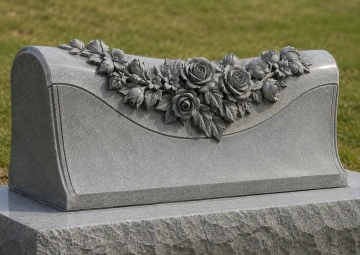
Relief Sculpture: Three‑dimensional work adds narrative and a sense of permanence.
Hand‑Cut Lettering: Slight variations from hand tools give each memorial a distinctly human touch.
Taken together, these qualities explain why artisan memorials age differently to mass‑produced markers and set the scene for a closer look at methods and tools.
How Does Traditional Stonemasonry Shape Artisan Memorial Stones?
Traditional stonemasonry shapes memorials through precise layout, incremental chiselling and staged finishing to manage natural stresses in the stone. Makers plan compositions with an eye to proportion and longevity, positioning inscriptions and motifs where grain and veining are least likely to cause weakness. That planning reduces hairline fractures and helps carved elements weather evenly, so symbols and lettering remain recognisable for generations. The same concerns that guided historic monuments — tool selection, measured hammer force and staged polishing — still guide the creation of memorials that honour a life and stand up to a cemetery setting.
Those traditional choices also affect style, which brings us naturally to the tools and skills behind hand‑carved detail.
What Tools and Skills Are Used in Hand Carving Granite Headstones?
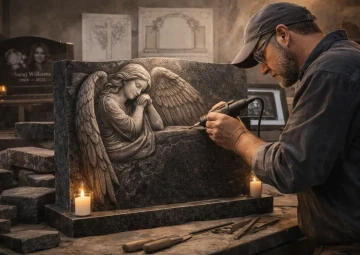
Hand‑carving granite uses a small, specialist toolkit — chisels in several profiles, well‑balanced mallets, rasps and abrasive stones for finishing — that lets an artisan shape, refine and texture hard stone. Mastery blends muscle memory, proportion judgment and a feel for granite’s fracture patterns, often learned over years of apprenticeship. Lettering requires steady depth control and crisp serif work; relief sculpture needs layered removal and blending to create lifelike motifs. Finishing methods such as honing or selective polishing protect carved surfaces and manage water run‑off, which matters hugely in exposed, coastal or changeable weather conditions.
Tool choice and skill level shape both the immediate appearance of a memorial and how well it performs over decades — a point that leads into our comparison of handcraft and mechanised production.
How Do Handcrafted Headstones Compare to Machine‑Made Memorials?
Handcrafted headstones and machine‑made memorials differ mainly in process, surface nuance and long‑term repairability. Hand carving produces variable depth and tactile relief; machines deliver precise, repeatable engraving. Mechanised methods — laser etching, CNC routing and sandblasting — bring speed, consistency and lower initial cost, but they usually operate at shallower depths and lack the subtle modelling an experienced carver can achieve. Families typically weigh bespoke artistry against budget and timeline: handcrafted pieces offer greater emotional value and durability, while machine options provide a precise, accessible alternative.
To make the choice practical, consider the attributes that most affect appearance and longevity: engraving depth, scope for personalisation and repair options.
The following table summarises key comparative attributes for quick reference.
Production Method | Characteristic | Typical Outcome |
|---|
Hand Carving | Depth & tactile relief | Deep, sculptural detail that weathers gracefully |
Machine Engraving | Surface precision | Exact lettering and repeatable motifs at shallower depth |
Laser Etching | Fine tonal imagery | High‑detail images but limited carving depth for durability |
In short: hand carving favours longevity and uniqueness; machines favour speed and precision. Your priorities should guide the decision.
Hand‑carved work emphasises depth and sculptural form, producing letter cuts and reliefs that cast strong shadows and stay readable as surfaces erode. Machine engraving often focuses on surface removal and shallow contrast that can soften over time. Skilled carvers adapt their approach to grain and and colour, placing cuts where the stone’s natural qualities support legibility and beauty. Machine methods excel at photographic reproductions and exact fonts across many pieces, but they offer less scope for sculptural personalisation or on‑site adaptation. Knowing these differences helps families choose between a tactile, unique monument and a precise, cost‑efficient marker suited to simpler needs.
Those distinctions explain why customisation options differ so widely between approaches, which we explore next.
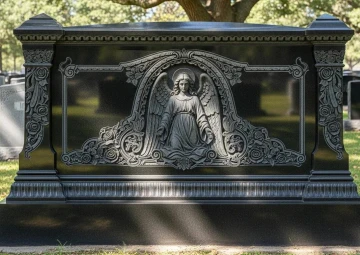
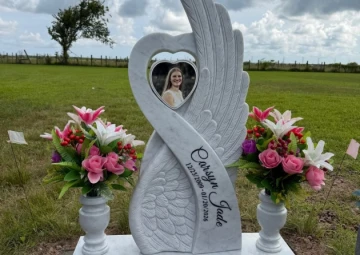
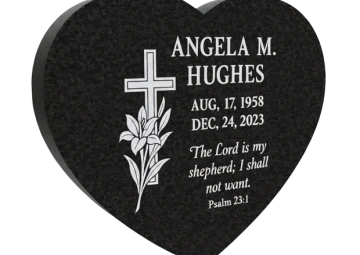
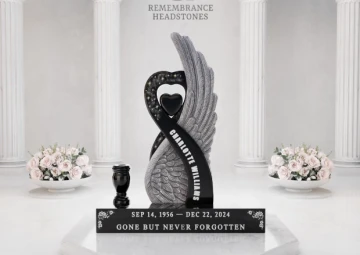
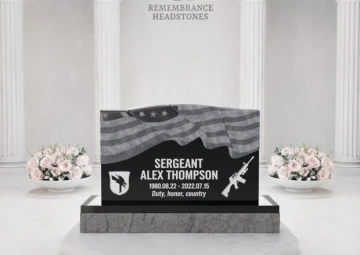
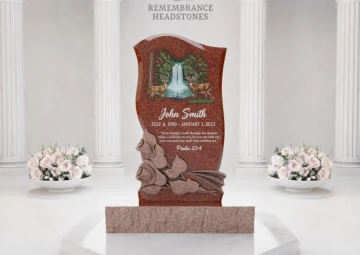
Custom granite headstones allow bespoke shaping, layered reliefs, hand‑applied finishes and integrated materials such as bronze plaques or inset vases, giving scope for deeply personal storytelling through material and motif. Carvers can sculpt portraits, treasured objects or layered scenes into the face and bevel of a stone, and they can vary polish and texture to create contrast that highlights symbols and inscriptions. The collaborative design process typically involves sketch reviews and adjustments so iconography and wording reflect the memorial’s intent. That human‑led collaboration contrasts with the templated approach of mass production and often results in a memorial that captures personal history and cultural references more faithfully. Personalisation therefore goes beyond appearance — it affects how the memorial communicates legacy — and that leads into material choices that influence durability.
Choosing an artisan memorial brings emotional resonance, cultural continuity and technical advantages that reflect both a personal story and local tradition. Handcrafted memorials can include traditional motifs, coastal imagery or family scenes with depth and nuance, helping a stone tell a life story across generations. Artisan work also allows site‑specific decisions — stone type, finish and mounting — that respond to ground conditions and cemetery rules, producing a memorial that sits well in its landscape and endures. The result is a durable focus for remembrance and a culturally meaningful object for the community.
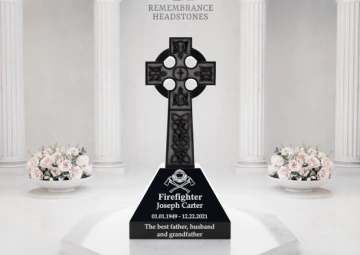
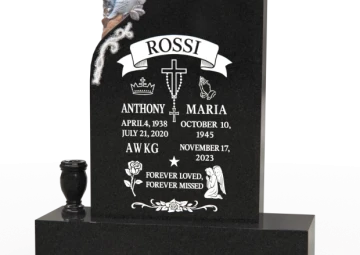
Handcrafted headstones translate symbols, objects and letterforms into carved imagery that communicates values, faith and memory to visitors over time. Carvers can render interlace, religious icons, occupational tools or local flora in relief or incised carving so every element carries deliberate meaning. The collaborative design process helps families identify the most important motifs and decide how prominently they should appear; artisans then recommend placements that weather well and stay readable. That symbolic translation ensures a memorial becomes a narrative object that preserves cultural resonance and personal identity for future generations.
Careful motif placement therefore strengthens both immediate expression and a memorial’s capacity to speak to descendants decades from now.
Traditional stonemasonry memorials stand out for their use of characteristic iconography, lettering styles and an emphasis on hand‑worked texture that responds to local stone and landscape. Many memorials favour flowing knotwork, roundel motifs and lettering inspired by historic scripts, blending heritage with contemporary commemoration. Local practice also shapes preferred stone types and finishing methods, creating regional variations in silhouette and surface treatment that make cemeteries readable as cultural records. This continuity of craft links personal memorials to a wider historic lineage and adds weight to bespoke designs.
Regional craft traditions therefore support design choices that are both meaningful and appropriate for local conditions.
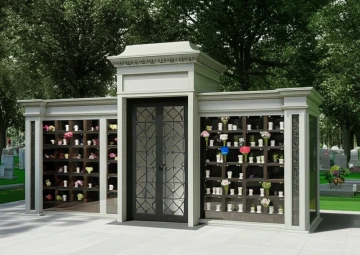
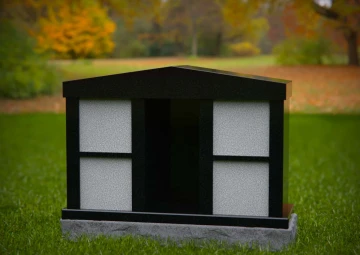
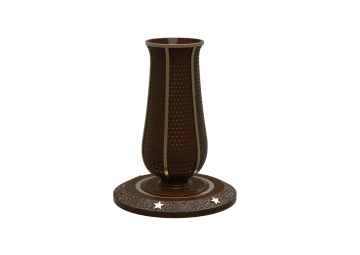
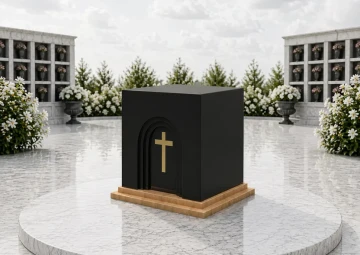
For families ready to explore artisan options, Remembrance Headstones offers product categories and bespoke consultations covering custom stone shapes, columbariums, urns and vases, together with professional installation and aftercare services.
Remembrance Headstones treats memorial creation as an end‑to‑end craft discipline, guiding families from initial consultation through quarry selection, hand‑finishing and professional installation to deliver durable, personalised monuments. Our artisan philosophy — presented under the tagline Masterpiece Memorial Art — stresses careful material choice, staged quality checks and collaborative approvals so artistic intent is preserved while meeting cemetery requirements.
Quality controls include selecting suitable granites, hand‑applied carving and finishing, plus final verification before installation to ensure inscriptions and motifs match the family’s expectations. This disciplined process balances artistry with practical durability so memorials remain meaningful and intact.
Our custom design and production workflow starts with a design consultation to capture the family’s story and any regulatory constraints, followed by design proposals and approval stages that ensure the composition and wording suit expectations. After approval we source the right stone, carry out carving and hand‑finishing in controlled workshops, and perform intermediate quality checks to verify letter depth, relief integrity and finish consistency. The final stage is professional installation with site preparation and foundation work, plus aftercare guidance to help preserve the memorial. Clients benefit from a transparent, guided process that keeps artistic intent front and centre from concept to completion.
This staged approach supports both artistic quality and reliable delivery, and it naturally leads into service features and the customer experience below.
Clients commonly praise the craftsmanship, thoughtful service and close attention to detail they experience when commissioning a bespoke memorial. Many remark that hands‑on collaboration produced more meaningful results than off‑the‑shelf options; they value seeing design proposals and the reassurance of specialist installation and aftercare. While individual testimonials appear in our gallery and case studies, recurring themes include satisfaction with material choice, engraving quality and the memorial’s ability to convey legacy. Verified reviews and installation photos help prospective clients judge workmanship and the match between design and finished memorial.
These customer insights support the value of a craft‑centred process and sit alongside practical offerings like flexible payment plans.
Remembrance Headstones also offers flexible payment options, including 0% APR plans for up to 12 months, to help families manage the investment in a bespoke memorial while keeping control of design and installation timing.
Choosing between handcrafted and machine‑made headstones comes down to priorities: the level of personalisation you want, acceptable lead time, willingness to maintain the memorial and your budget. Handcrafted memorials suit those who value bespoke artistry, cultural symbolism and long‑term durability; machine‑made options work well where faster delivery, precise repeatability and lower upfront cost are priorities. Cemetery regulations, plot conditions and orientation also affect feasible designs, as do long‑term stewardship plans that determine maintenance. A short decision framework helps match objectives to production methods and points the way to a personalised estimate.
Below is a practical comparison of buyer considerations to help structure initial decisions before requesting quotations.
Consideration | Typical Handcrafted Outcome | Typical Machine‑Made Outcome |
|---|
Cost Range | Higher upfront, greater long‑term value | Lower upfront, less bespoke |
Lead Time | Longer because of handwork and approvals | Shorter thanks to automated production |
Personalisation | Extensive (sculpture, multi‑depth carving) | Limited to surface imagery and templates |
Installation Services | Full‑site installation and aftercare | Installation available but often standardised |
Hand‑carved headstones usually take longer to produce because of iterative design approvals, manual carving and staged finishing, while machine‑made pieces benefit from automated workflows that speed production and reduce variability. Cost drivers for hand‑carved work include skilled labour, bespoke sculptural elements and careful finishing, which raise upfront investment but often deliver greater long‑term value through durability and personalisation. Machine‑made memorials lower labour intensity and initial cost, but families should balance that against potentially higher maintenance if shallow engraving is chosen.
For accurate pricing based on design complexity and site requirements, book a personalised consultation.
If budget or timeline is limited, a design conversation will identify where sensible compromises preserve the memorial’s meaning without overshooting practical limits.
Choosing the style that best honours a loved one starts with three questions: which symbols or stories must appear, how much long‑term stewardship is acceptable, and what cemetery or site constraints apply. For maximum storytelling and enduring legibility, hand‑carved memorials with deep lettering and relief motifs are often the right choice; for simpler tributes or tighter budgets, machine‑engraved panels offer neat, precise lettering and photographic etching. Imagine a family prioritising heritage motifs — hand carving will likely be preferable — or a plot that needs rapid placement before an event — a machine option could be better. In every case, a design consultation refines options so they suit both emotional and logistical needs.
Remembrance Headstones welcomes enquiries for personalised estimates and design guidance to match memorial style to family priorities and site realities.
Identify Meaningful Symbols: Make a short list of motifs and inscriptions you want on the memorial.
Assess Stewardship Capacity: Decide who will care for the monument and how often.
Check Cemetery Rules: Confirm permitted materials, dimensions and installation requirements before finalising design.
These steps produce clearer briefs and better‑aligned quotes, helping families make confident decisions about aesthetics and practicalities.
Generally, a hand‑carved headstone will outlast a machine‑made marker because deeper carving and careful material selection slow the effects of weathering. Hand‑carved stones are made with techniques that preserve detail and structural integrity; machine pieces often use shallower engraving that can soften sooner. Both types can last decades, but well‑made hand‑carved memorials typically remain clearer and more recognisable across generations.
Families ensure personalisation by taking part in a collaborative design process: discuss meaningful symbols, motifs and wording with the artisan; review sketches and proposals; and request adjustments until the design feels right. Active involvement during design and approval makes the finished memorial a true reflection of the person it honours.
Common challenges include managing moss and lichen, which can obscure inscriptions, and dealing with weathering from rain and frost. Regular gentle cleaning and vegetation control are essential. Over time, minor repairs such as re‑cutting letters or re‑pointing plinths may be necessary; these are best handled by professionals to protect the stone’s integrity.
Yes — regulations vary by cemetery. Rules may cover size, material and design to maintain a cemetery’s appearance and safety. Families should check with cemetery authorities before finalising a design; some sites require permits or approval, and being informed early helps avoid problems during installation.
Commonly recommended granites include Indian Black Premium, Blue Pearl and Impala Grey. These stones balance hardness, grain and weather resistance for various damp, changeable climates. Indian Black is excellent for deep lettering and polish retention; Blue Pearl offers attractive flecking with good resistance; Impala Grey is durable and works well for both carved and sandblasted finishes. Choosing the right granite helps ensure the memorial’s longevity.
Handcrafted headstones generally cost more because of skilled labour, time and bespoke detail, but they often offer greater long‑term value through durability and personalisation. Machine‑made options are typically more affordable and faster to produce, though they may lack the depth and individuality of a hand‑carved piece. Families should weigh budget against the level of personalisation and longevity they want.
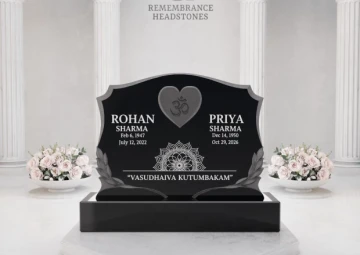
Cultural motifs are central in headstone design: traditional patterns, religious symbols and local flora or fauna connect a memorial to heritage and identity. Including these elements honours the individual and links them to their cultural roots, creating a tribute that resonates with family and community for generations.
Choosing a handcrafted headstone gives families emotional depth, cultural meaning and technical resilience that machine‑made options often cannot match. Artisanal craftsmanship results in memorials that are both lasting and personal. By working with skilled makers, families can create bespoke memorials that truly honour their loved ones and stand up to various climates. Contact us to explore our range of artisan memorial options and start crafting a meaningful tribute.