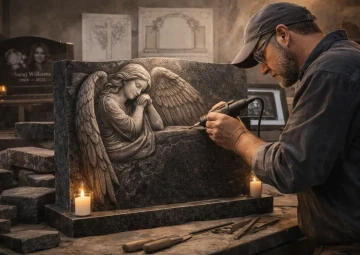
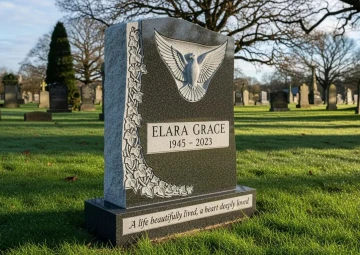
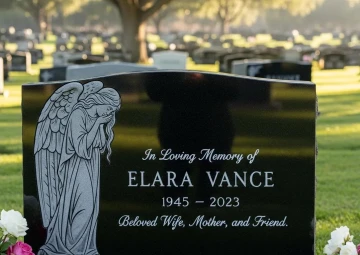
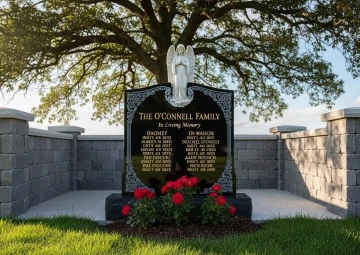
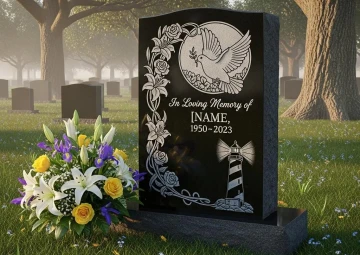
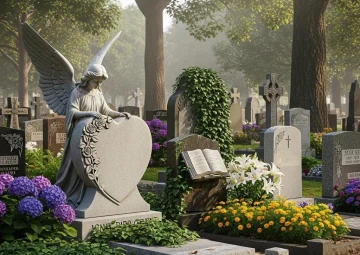
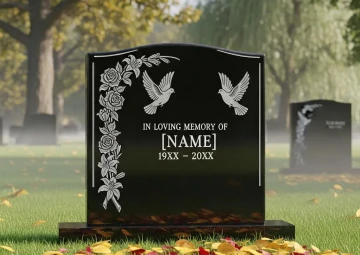
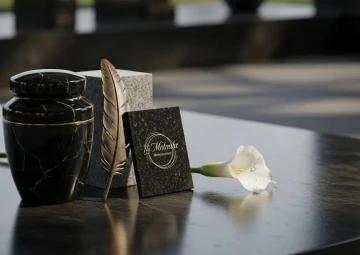
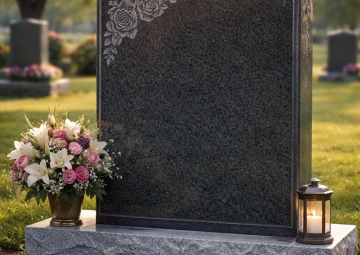
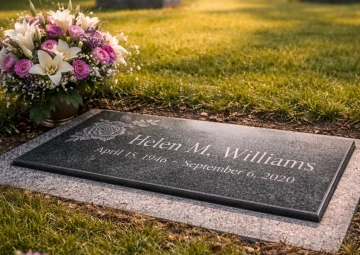
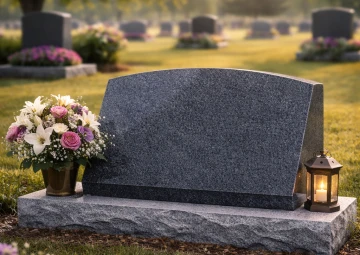
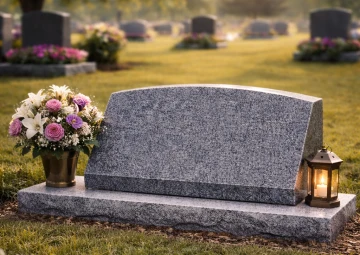
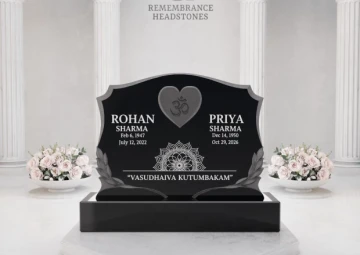
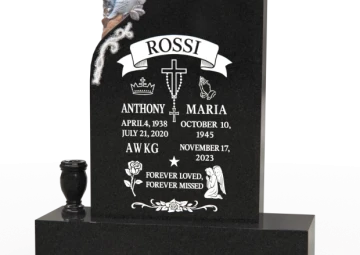
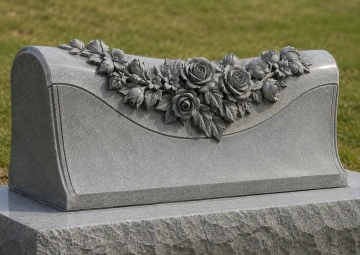
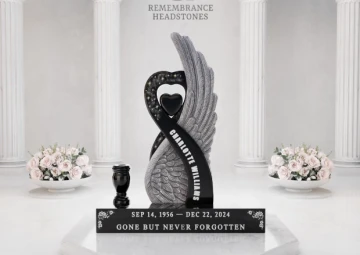
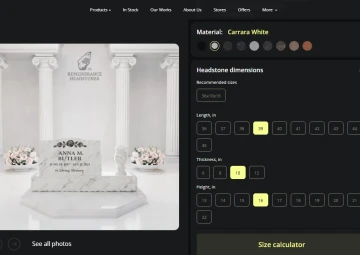
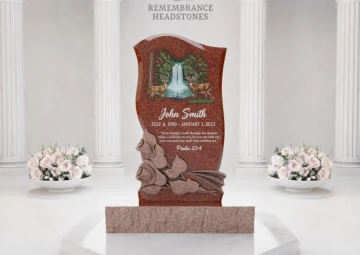
A bespoke memorial stone is a handcrafted, site-specific monument made to honour someone by combining carefully chosen materials, a considered form, a meaningful inscription and symbolic detail. This guide explains what makes a stone truly bespoke, how personal choices shape a lasting design, which materials perform best in climate and the step-by-step process from first consultation through installation and aftercare. Families often choose custom granite headstones or personalised grave markers because off‑the‑shelf options can’t capture a life’s particular story, motifs or cemetery dimensions. Bespoke work closes that gap by matching material performance with thoughtful design. You’ll find practical comparisons of granite versus other stones, personalisation options such as photo etching and carved symbols, a cemetery regulation checklist and realistic production timelines. We also explain how Remembrance Headstones supports families during design, manufacture and ongoing care — so you can commission a memorial with clarity and confidence.
Table of Contents
What Is a Bespoke Memorial Stone and Why Choose Custom Headstones?
How Does the Custom Headstone Design Process Work?
Which Granite and Stone Materials Are Best for Bespoke Memorialы?
What Personalisation Features Can Enhance Your Memorial Stone?
What Are the Key Considerations for Cemetery Regulations and Installation Services?
How Does Remembrance Headstones Ensure Quality Craftsmanship and Aftercare?
What Is a Bespoke Memorial Stone and Why Choose Custom Headstones?
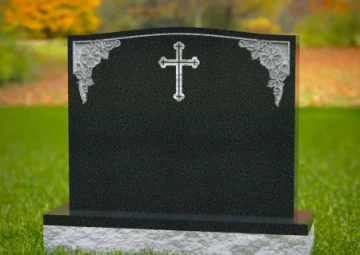
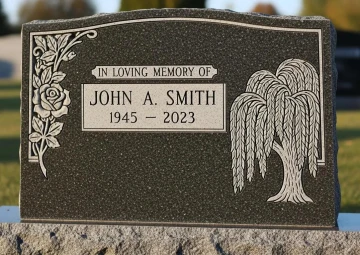
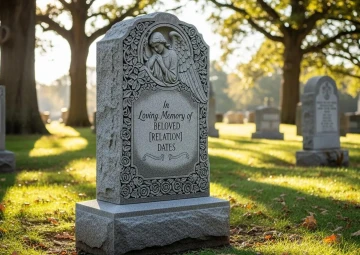
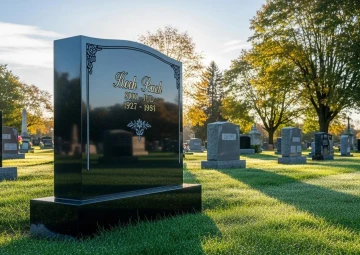
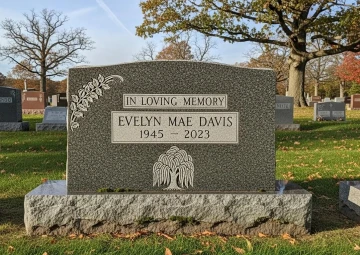
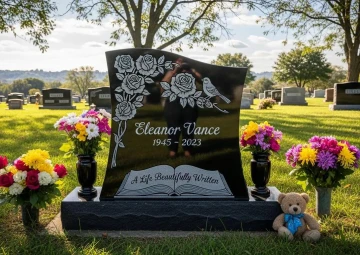
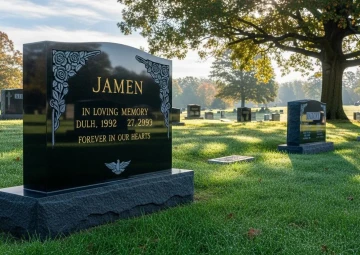
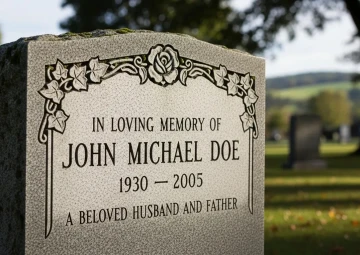
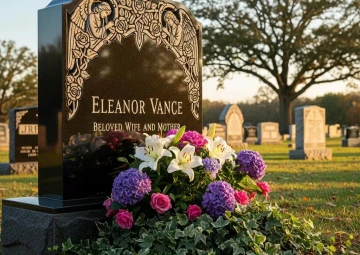
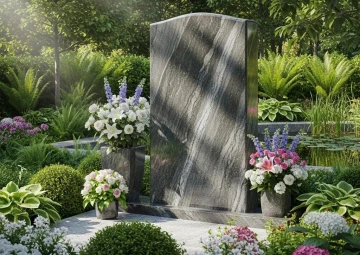
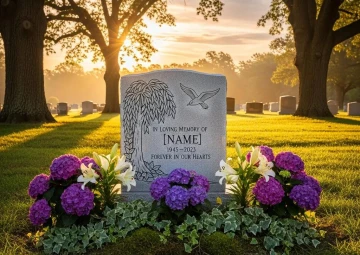
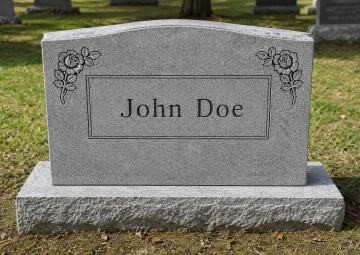
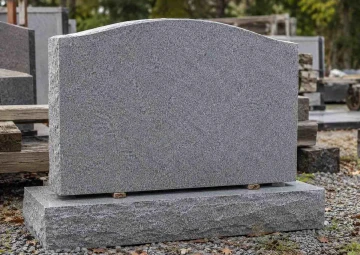
A bespoke memorial stone is a purpose-made monument designed to reflect an individual’s character, life and the practical demands of the gravesite. It combines your choice of stone, shape, inscription and decorative elements so the finished piece is unique in both meaning and performance. Bespoke memorials let families and designers select materials and finishes that match weathering expectations, readability and aesthetic goals — producing a result stock markers cannot replicate. The main benefit is a durable, meaningful tribute that honours memory while meeting cemetery requirements. Bespoke stones balance emotional value with technical factors such as porosity, freeze‑thaw resistance and inscription longevity, delivering both sentiment and practicality. Choosing a custom option is especially sensible when personal symbolism, non‑standard dimensions or premium materials like particular granites are needed to secure the intended legacy.
Personalisation translates identity into stone through shape, imagery and text. Common choices and the value they bring include:
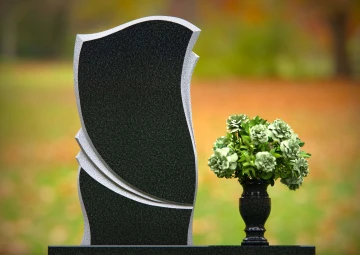
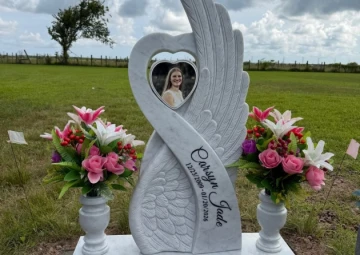
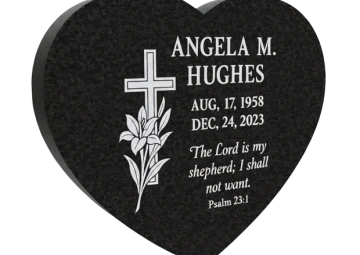
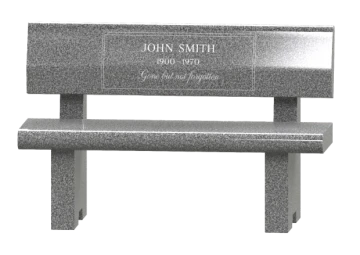
Unique shape and silhouette: A custom outline highlights personality and gives an immediately recognisable profile at the graveside.
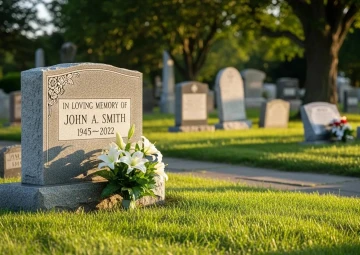
Tailored inscriptions and epitaphs: Carefully chosen wording preserves voice and ensures clarity for generations.
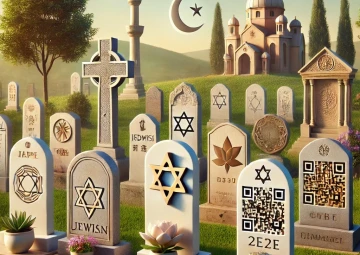
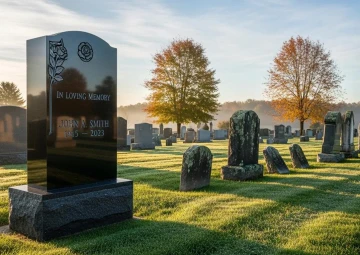
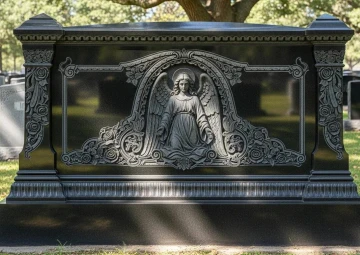
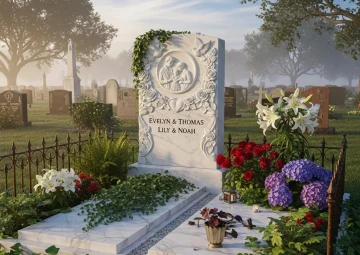
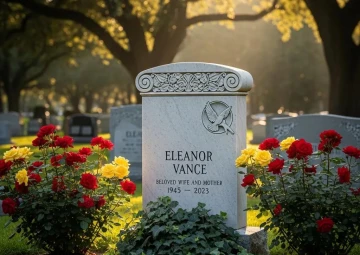
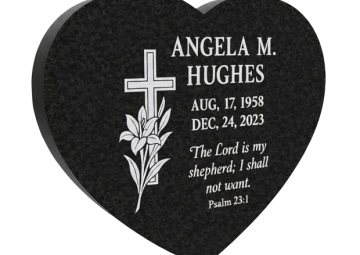
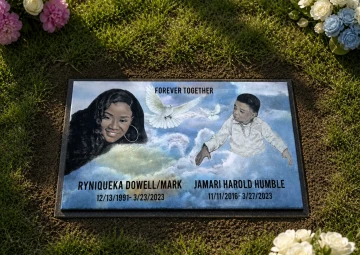
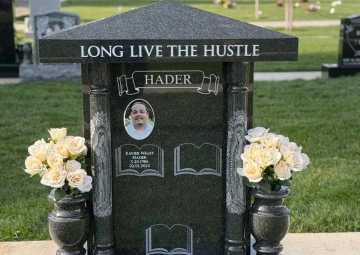
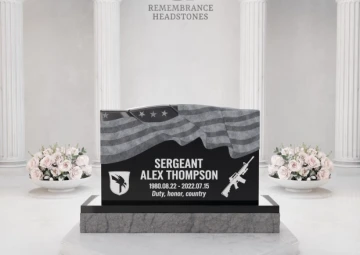
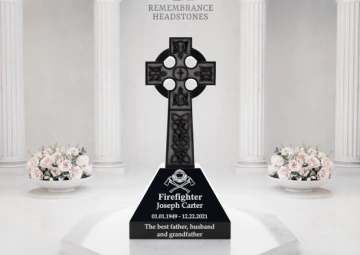
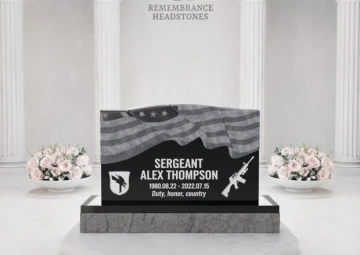
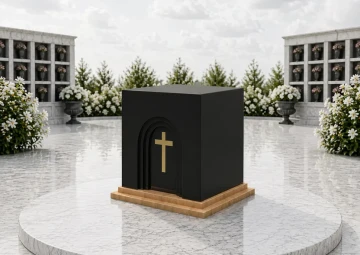
Symbolic carvings and iconography: Religious or hobby motifs express values and life story without long explanation.
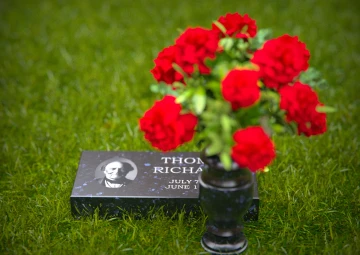
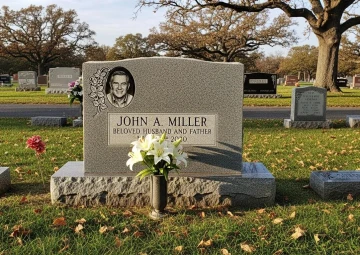
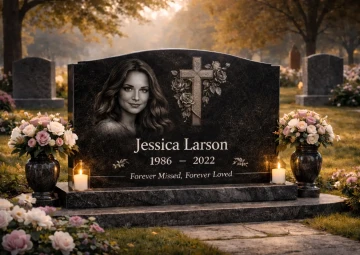
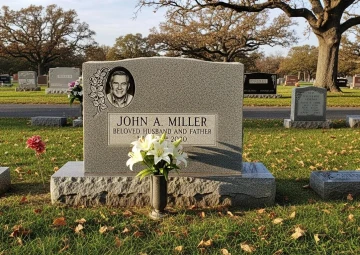
Photo etching and inlays: Likenesses and inset materials create a strong focal point for remembrance.
These personalisation routes lead naturally into the design conversation — the next section explains how memories become specific design elements during consultation.
Company note: Remembrance Headstones specialises in luxury custom headstones and memorial art. We offer design consultations, production oversight and professional installation to help families move from idea to lasting memorial. To enquire, please contact us by the published email or phone to arrange a consultation and discuss options.
How Does Personalisation Create Unique Memorial Designs?
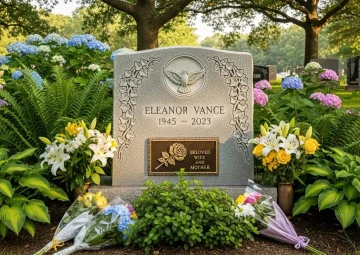
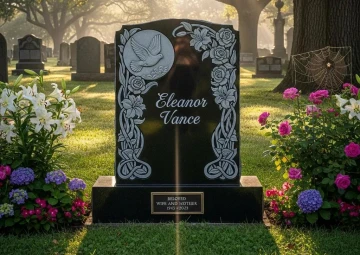
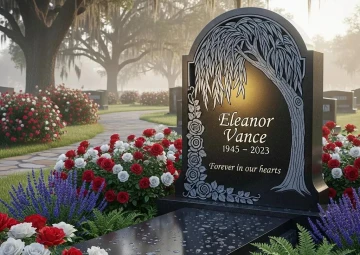
Personalisation turns life story into material choices: inscriptions preserve voice, symbols communicate values and photo etching captures a likeness in stone. Our designers combine these elements — epitaph wording, font choice, border motifs and pictorial etching — to create a coherent composition that reads well from a distance and weathers gracefully. For example, a musician’s headstone might pair a carved instrument with a short lyric line in a deeply cut serif to maintain legibility over time; a nature lover’s marker could use a rounded silhouette with leaf carvings to echo the landscape. Thoughtful use of spacing, surface finish and contrast — polished versus honed, dark granite text on a lighter plinth — keeps text readable and the design balanced. These choices set the memorial’s visual tone and ensure it remains an accurate, dignified tribute.
What Are the Emotional and Lasting Benefits of Luxury Custom Headstones?
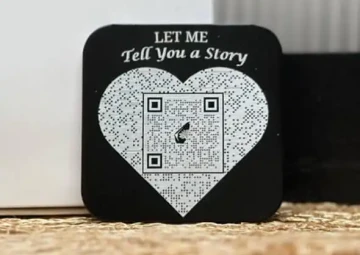
Luxury custom headstones offer emotional reassurance by giving families a tangible focus for grief and remembrance. They also provide lasting value through high‑quality materials and workmanship that preserve legibility and form with minimal intervention. Premium granites and expert carving resist erosion, keep inscriptions crisp and reduce the need for frequent restoration. Over time a bespoke stone can become part of a family’s heritage, supporting visits and storytelling across generations. Digital additions, such as QR code memorials, can extend the stone’s narrative with photos or audio, letting the tribute grow beyond the physical surface. Together, these emotional and practical benefits make a bespoke memorial a considered investment in legacy and care.
How Does the Custom Headstone Design Process Work?
The custom headstone process is a collaborative sequence between family, designer and installer: consultation, design approvals, fabrication and professional installation, with clear decision points and timelines. Early stages confirm cemetery rules, material choices and personalisation ideas; middle phases produce sketches and 3D proofs for approval; fabrication includes finishing and quality checks; installation concludes with site setting and final sign‑off. This structured workflow reduces errors, aligns expectations and delivers a durable result that meets both emotional and regulatory needs. The list below outlines a typical client pathway and approximate timings so families can plan realistically.
Initial consultation (1–2 weeks): Gather biography, preferences, cemetery rules and budget to frame the design brief.
Concept and approvals (2–4 weeks): Receive sketches and 3D renders, review revisions and sign final approval for production.
Fabrication and finishing (3–6 weeks): Cut, carve, polish and apply inscriptions; complete quality checks and any metal or inlay work.
Installation and handover (1–2 weeks): Prepare the site, set the memorial on its base, level and carry out final client inspection with paperwork completed.
This staged timeline helps families plan both practically and emotionally.
What Happens During the Memorial Design Consultation?
A design consultation translates memories into a practical, cemetery‑compliant brief. We ask about life highlights, preferred symbols, inscription ideas and any cemetery restrictions. You’ll see material samples and we'll discuss finishes, carving techniques and the visual trade‑offs between highly polished, honed or leathered surfaces. Bring photographs, a shortlist of inscription options and any cemetery guidance to speed approvals; we’ll also cover budget and timings. The consultant advises on scale, contrast and placement to maximise legibility and longevity, and suggests personalisation features that suit your chosen stone. Good preparation at this stage shortens the design phase and reduces revisions.
How Are 3D Models and Approvals Managed in Bespoke Memorial Creation?
3D models and digital proofs are essential to check scale, proportion and surface detail before cutting begins. Typical workflows include an initial render, one or two revision cycles and a final sign‑off; complex carvings or multi‑material inlays may need an extra proof to confirm texture and joinery. Digital proofs also show how inscriptions read at normal viewing distances and simulate light and finish choices so you can assess contrast and legibility. These visual checkpoints make sure the finished monument matches expectations and help production proceed smoothly once approvals are given.
Which Granite and Stone Materials Are Best for Bespoke Memorials?
Choosing the right material depends on durability, porosity, appearance and how well the stone withstands damp, coastal and changeable climate. Granite is generally preferred for its hardness and low porosity: it resists freeze‑thaw cycles and keeps carved detail longer than many alternatives. Marble and limestone offer distinctive looks but usually need more maintenance in wet conditions. Selecting a stone balances visual aims — the light shimmer of Blue Pearl, the deep black of Indian Black — with practical concerns like inscription contrast and stain resistance. The brief comparison below helps weigh common options against climate conditions and maintenance expectations.
The table compares common materials and attributes relevant to memorial selection.
Material | Durability / Porosity | Colour / Appearance | Typical Cost Range | Climate Suitability |
|---|---|---|---|---|
Indian Black granite | Very high durability, low porosity | Deep black, high polish | Medium–high | Excellent for coastal and inland sites |
Blue Pearl granite | High durability, low porosity | Blue‑silver, pearlescent effect | High | Very good; polish preserves appearance |
Carrara White marble | Lower durability, higher porosity | Soft white with veining | Medium | Moderate; needs more maintenance in damp climates |
Limestone | Moderate durability, variable porosity | Warm, textured pale tones | Medium | Variable; may weather faster in wet areas |
What Are the Characteristics of Popular Granite Types Like Indian Black and Blue Pearl?
What Are the Characteristics of Popular Granite Types Like Indian Black and Blue Pearl?
How Do Granite and Marble Compare in Durability and Appearance?
How Do Granite and Marble Compare in Durability and Appearance?
What Personalisation Features Can Enhance Your Memorial Stone?
What Personalisation Features Can Enhance Your Memorial Stone?
Personalisation Option | Best For | Visual Impact | Permanence / Cost Consideration |
|---|---|---|---|
Inscription (deep cut) | All memorials; emphasis on wording | High clarity, understated | Very permanent; moderate cost |
Photo etching | Portrait likenesses | High focal detail | Permanent when laser‑etched on granite; higher cost |
Carved reliefs | Symbols and scenes | Strong three‑dimensional presence | Very durable; greater production complexity |
Bronze plaques / fittings | Accents and durable details | Metallic contrast and texture | Extremely durable; added cost and fixing work |
QR code memorial | Extended biography, audio and images | Low visual change, high informational depth | Durable if inlaid or on a metal plate; modest cost |
How Can Inscriptions, Symbols, and Photo Etching Reflect a Loved One’s Legacy?
How Can Inscriptions, Symbols, and Photo Etching Reflect a Loved One’s Legacy?
What Special Shaped Headstones and Artistic Carvings Are Available?
What Special Shaped Headstones and Artistic Carvings Are Available?
What Are the Key Considerations for Cemetery Regulations and Installation Services?
What Are the Key Considerations for Cemetery Regulations and Installation Services?
- Confirm permitted materials and finishes: Some cemeteries restrict certain metals or loose ornaments.
- Measure maximum dimensions: Check allowed height, width and base footprint to ensure compliance.
- Check base and plinth specifications: Many sites require a standard plinth or foundation depth.
- Obtain written approval for inscriptions and symbols: Especially for non‑standard imagery or languages.
- Confirm installation scheduling and access: Gate hours, vehicle access and ground conditions affect timing.
What Are Common Cemetery Rules Affecting Headstone Size and Materials?
What Are Common Cemetery Rules Affecting Headstone Size and Materials?
How Does Professional Installation Ensure Memorial Stability and Longevity?
How Does Professional Installation Ensure Memorial Stability and Longevity?
How Does Remembrance Headstones Ensure Quality Craftsmanship and Aftercare?
How Does Remembrance Headstones Ensure Quality Craftsmanship and Aftercare?
Service Phase | What Remembrance Headstones Provides | Client Benefit |
|---|---|---|
Consultation & design | Detailed brief, material samples, 3D proofs | Confidence in the final design and compliance |
Fabrication & quality control | Skilled carving, CNC work and hand finishing | Durable, high‑quality finish with faithful detail |
Installation & aftercare | Professional setting, maintenance packages and QR code options | Stability, long‑term preservation and extended remembrance |