Table of Contents
What are the best premium materials for durable headstones?
How does artisan craftsmanship enhance memorial stone quality?
What custom design options create unique and personal headstones?
How do premium materials and craftsmanship ensure longevity in challenging climates?
What is the value of investing in top‑quality, artisan‑crafted headstones?
Frequently Asked Questions
Conclusion
A lasting memorial honours a life by combining durable materials with careful workmanship so inscriptions, symbols and structural integrity remain clear and secure for generations.
This guide explains why premium materials—especially high-grade granites—and experienced stonemasons make the difference for durable headstones. You’ll learn how to choose stones, finishes and craftsmen that resist rain, biological growth and freeze–thaw cycles; which stone types offer the best longevity and appearance; how artisan techniques influence detail and durability; and simple maintenance steps to protect a memorial from the elements. We also cover custom options from inscription choices to QR-code integration, and outline the emotional and financial value of investing in artisan-crafted headstones. Read on for practical material comparisons, craftsmanship methods, design workflows, climate-aware installation advice, and accessible financing and service options that help make a premium memorial achievable.
What are the best premium materials for durable headstones?
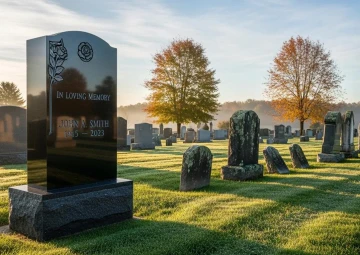
Premium memorial stone balances hardness, low porosity, polish retention and resistance to biological growth. Granite is widely considered the most reliable choice because it combines those qualities with a wide range of colours and finishes. In damp, temperate climates a stone’s compressive strength and porosity determine how well it resists water ingress and freeze–thaw damage, while polishability affects how inscriptions stay legible over time. Secondary materials—bronze plaques or certain engineered stones—have valid uses for plaques and appliqués, but for upright monuments and tablets granite remains the go-to. Choosing ethically sourced blocks and verified quarry stock reduces the risk of hidden defects and helps ensure the material performs as expected during fabrication and after installation. In practice, selection begins by matching granite variety, finish and installation method to the memorial’s size, ornamentation and exposure.
Knowing which granites combine beauty with durability matters. The table below compares popular premium granites by hardness, porosity and typical uses to help families prioritise longevity and appearance.
Granite Type | Characteristic | Typical Use |
|---|
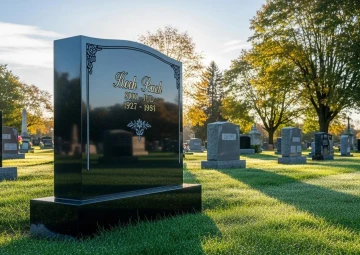
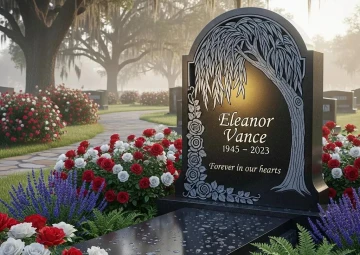
Indian Black (absolute black) | Very low porosity with excellent polish retention | Upright headstones and high-contrast inscriptions |
Blue Pearl | Medium–low porosity with a shimmering crystalline surface | Upright memorials and decorative plaques |
Balmoral Red | Low porosity with warm, consistent tones | Tablets and ledger stones for a distinctive look |
Salt-and-pepper granite | High compressive strength and good weather resistance | Traditional upright monuments and sturdy plinths |
This comparison shows that low porosity and strong polish retention minimise water-related damage and help carved detail remain clear; families should prioritise these attributes when choosing a premium granite.
Granite varieties differ in mineral mix, which controls hardness, porosity and appearance. Indian Black gives near‑uniform dark colour and very low porosity, while Blue Pearl’s iridescent crystals keep a polished surface looking lively even with weathering. Hard, dense granites absorb less water and resist common freeze–thaw cycles, so they typically outlast more porous stones by decades. Practically, pair darker, denser granites with sandblasted or incised lettering for the best long‑term legibility, and use lighter or more textured granites for decorative panels where surface patterning is wanted. Always request physical samples and view polished finishes in natural light to confirm colour stability and surface behaviour before finalising a design.
These material choices naturally bring up sourcing questions: provenance and supply-chain checks reveal whether a block meets the specifications needed for long-term performance.
Ethical sourcing means tracing a stone’s origin, checking quarry practices and confirming consistent material grading so the finished memorial performs as promised. Look for suppliers who provide transparent supply chains, documented origin information and evidence of testing that rules out internal flaws that can cause spalling or cracking. Responsible sourcing also considers environmental and social impacts at the quarry and fabrication stages, which affects long‑term availability and community wellbeing. Asking for provenance details and sample testing reduces procurement risk. Useful questions for vendors include whether the granite is visually and physically tested, whether batch consistency is guaranteed, and what inspection steps validate each slab before cutting and carving.
Understanding ethical sourcing closes the loop between material selection and the craftsmanship that turns raw stone into a durable memorial. The next section explores how artisan skill affects final quality.
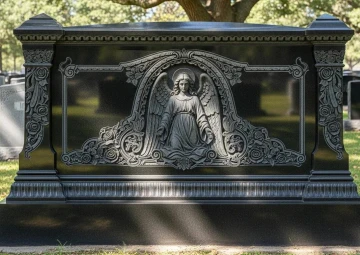
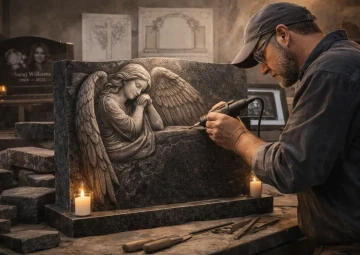
Craftsmanship turns a good block of stone into a stable, legible and emotionally resonant memorial. Experienced stonemasons control surface finish, inscription depth, jointing and installation accuracy—details that affect both appearance and longevity. Skilled workshops blend traditional hand‑carving with modern precision tools to preserve fine detail while avoiding defects that shorten a headstone’s service life. Beyond looks, workmanship matters for structural elements: correct bedding on a plinth, secure fixing of vases and bronze components, and properly sealed joints all reduce water ingress in challenging climates. Human expertise also enables bespoke symbolism and subtle textures that machines alone rarely achieve, so artisan skill directly influences both immediate presence and long‑term preservation.
Well-made memorials are produced using methods chosen for the design’s complexity and the stone’s character. The table below compares common techniques by precision and durability to set realistic expectations.
Technique | Precision | Visual Effect | Longevity Impact |
|---|
Hand-carving | High for bespoke detail | Deep, tactile relief with individual character | Excellent when executed by an experienced artisan |
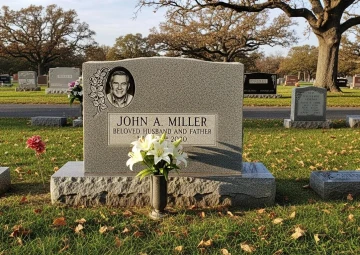
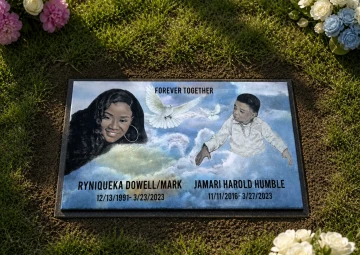
Laser etching | Very high for photo-like detail | Photorealistic images and fine tonal shading | Good for surface imagery; shallow depth limits resistance to deep weathering |
Sandblasting | Moderate–high precision | Clean, durable lettering and low-relief motifs | Very effective for text and simple ornament; long‑lasting when sealed |
Experienced workshops mix traditional hand‑carving for bespoke reliefs with sandblasting for crisp lettering and CNC or laser etching for photographic detail. Hand‑carving provides depth and texture that age gracefully, while sandblasting reliably produces clear inscriptions that resist biological staining. Laser etching reproduces portraits and tonal imagery well but performs best with protective finishes in wet climates. A balanced workshop will recommend the technique that matches the design’s visual aims, longevity needs and budget—always considering the stone’s physical properties and the memorial’s planned location.
Master artisans combine formal stonecraft training with years in the workshop, learning to read grain, control tool marks and blend hand finishing with mechanised precision. Their skills include carving figurative elements, fine lettering and delicate ornamentation that require careful control of depth and edge crispness to avoid flaking or undercutting. Artisan involvement also improves the client experience: a stonemason who advises on feasibility, shows sample carving and oversees finishing and installation reduces the chance of errors that compromise longevity. Families choosing a premium memorial should ask about artisan oversight of both production and installation so the piece remains under consistent care rather than passing through multiple hands.
Artisanship bridges raw stone and a personal memorial, and thoughtful design options build on that foundation to create truly individual tributes.
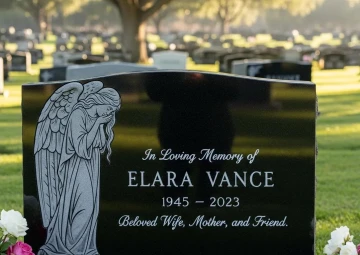
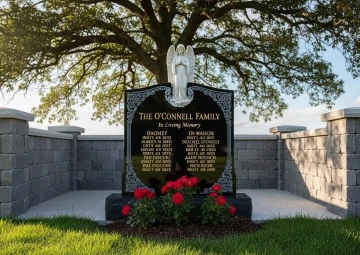
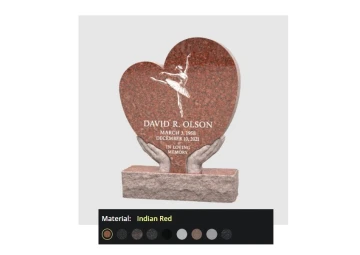
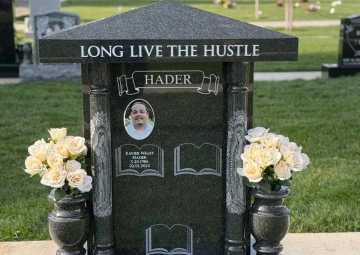
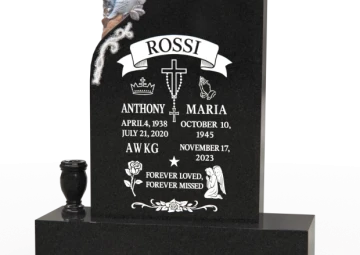
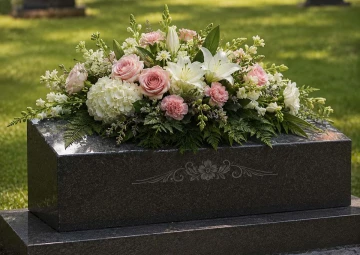
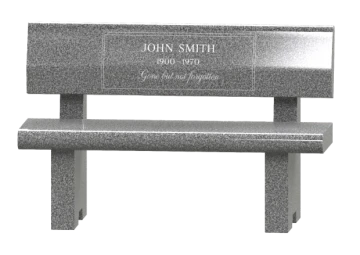
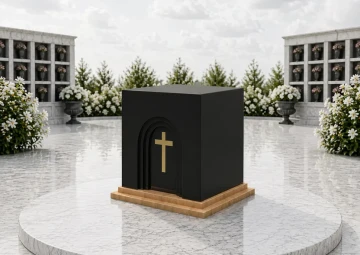
Custom memorial design covers shapes, finishes, inscriptions, symbolism and digital additions, allowing families to create a monument that reflects personality while complying with cemetery rules. Common shapes include upright tablets, ledger stones, benches and plinth-mounted designs, each offering different space for inscription and ornament. Finish choices—polished, honed or blasted—affect appearance and weather performance: a polished face enhances colour and reflection, while honed or blasted finishes reduce glare and can help conceal light biological growth. Digital features such as QR-code memorials let families extend storytelling beyond the stone, linking visitors to photos, recordings or life stories. The design process balances aesthetic goals with practical concerns like inscription depth, frost exposure and maintenance. Families often find the process easier when a provider offers clear milestones, 3D previews and sensible financing. Typical design options include:
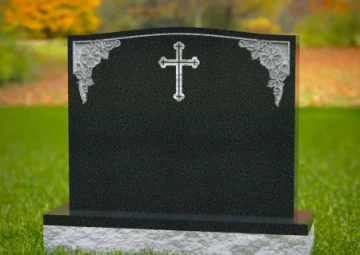
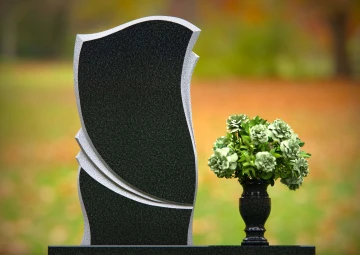
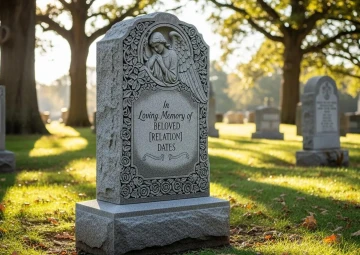
Upright tablets and traditional headstones for vertical presence and larger inscription areas.
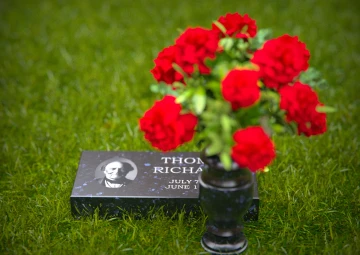
Ledger stones and flat tablets for a low-profile, communal-plot friendly option.
Benches and inscribed seating that provide a functional place to sit and remember.
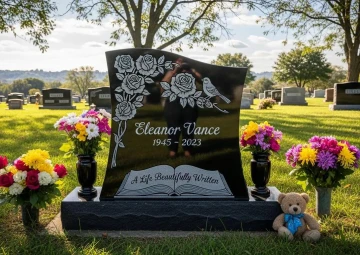
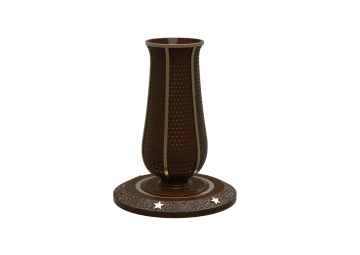
Vase inserts, bronze plaques and applied motifs for layered materials and visual contrast.
These choices support a structured workflow from concept to installation, helping ensure the finished memorial meets family expectations and cemetery requirements.
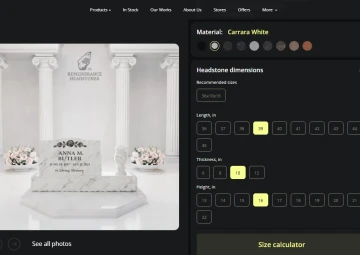
A clear design workflow starts with a consultation to capture the family’s wishes, followed by material samples and concept sketches that translate sentiment into scale and form. Next comes refined drawings and a 3D mock‑up showing proportions, inscription placement and ornamentation in context—this visual approval step reduces surprises and enables an accurate quote. Once approved, artisans select the best block, mark out carving and take the piece through fabrication stages—cutting, finishing, inscription and optional etching—before arranging a professional installation that meets cemetery rules. Families should expect defined revision milestones, realistic turnaround times and confirmation of installation arrangements so production and placement proceed smoothly.
A short checklist helps families prepare for a productive design meeting and keeps the collaborative process focused.
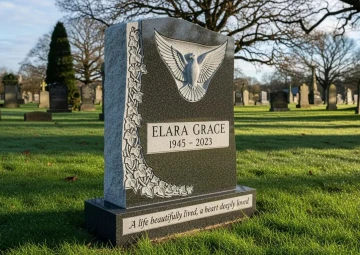
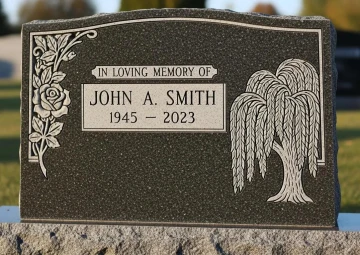
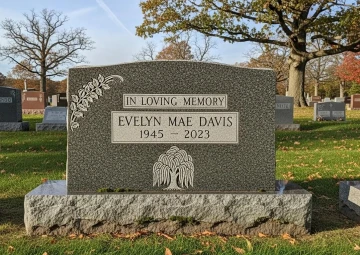
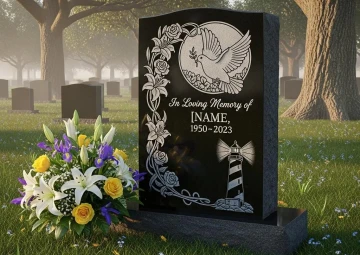
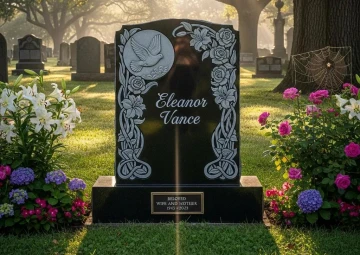
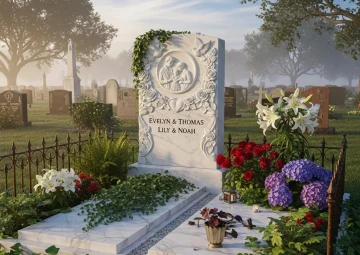
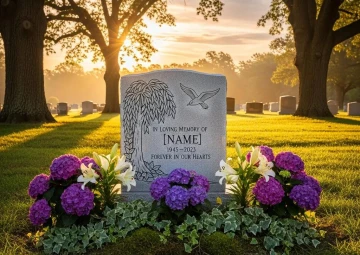
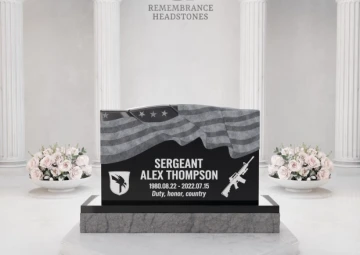
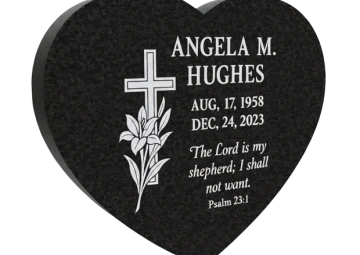
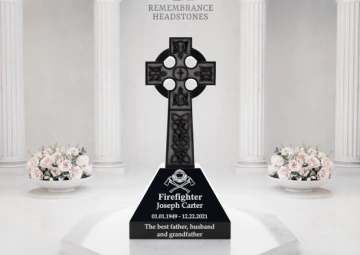
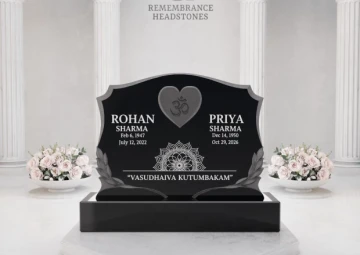
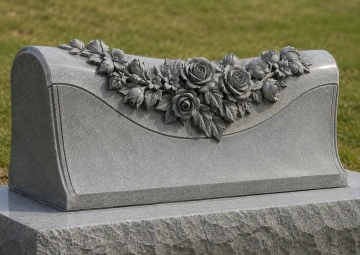
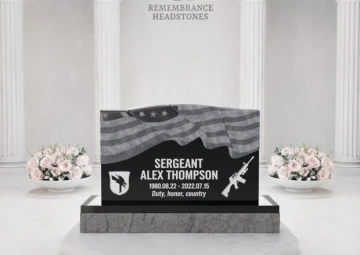
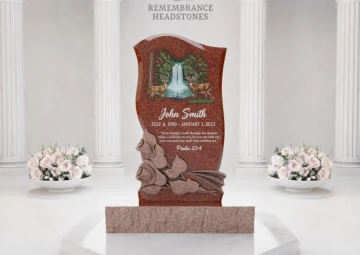
Symbolism ranges from religious icons and national emblems to botanical motifs and bespoke imagery that reflect personal interests. Each symbol carries cultural and emotional meaning and should be chosen with context in mind. Inscriptions can be formal, personal or poetic and should be sized for available space and legibility—short, clear epitaphs with carved‑friendly fonts remain readable longer. Popular motifs include crosses, Celtic knots, doves, floral carvings and occupational emblems; consider whether shallow relief or deeper carving will weather better in damp conditions and whether contrast techniques such as gilding or painted inlay suit the chosen stone. When selecting wording, keep the core message concise and use a font optimised for carving to enhance durability and clarity.
Choosing symbols and inscriptions naturally raises questions about how materials and workmanship perform in challenging climates, addressed in the next section.
Ensuring longevity requires combining low‑porosity materials, appropriate finishes, correct installation and skilled workmanship to manage rain, wind, salt exposure and biological growth. Stone selection reduces inherent vulnerability, while finish choices—polished on sheltered faces, honed on exposed ones—help channel water and discourage lichen. Installation practices such as properly graded foundations, adequate drainage and accurately sealed joints prevent trapped moisture that accelerates freeze–thaw damage and undermines stability. Regular maintenance guided by conservation best practice extends service life, and artisans who oversee both fabrication and installation lower the risk of workmanship errors that speed weathering.
Weather Factor | Control Measure | Expected Impact |
|---|
Persistent rain and damp | Choose low‑porosity granite and slope surfaces for runoff | Reduced water ingress and staining |
Freeze‑thaw cycles | Deep bedding, proper drainage and sealed joints | Lower risk of cracking and delamination |
Lichen and biological growth | Select suitable finishes and schedule periodic cleaning | Slower colonisation and easier cleaning |
Coastal salt exposure | Use resistant stone varieties and corrosion‑resistant fixings | Minimised corrosive and abrasive damage |
Key properties include low porosity to limit water absorption, high compressive strength to resist mechanical stress, and finish choices that promote runoff while preserving inscription contrast. Porosity correlates with how quickly a stone soaks up surface water—lower porosity reduces freeze–thaw stress and staining. Compressive strength and fracture toughness determine how the stone copes with freeze cycles and accidental impacts during upkeep, while surface finishes influence how biological growth adheres and how safely the stone can be cleaned. When evaluating materials, ask for technical data or examples of the selected granite used in similar coastal or inland sites to confirm suitability for local conditions.
Understanding these material basics makes seasonal care more effective. The next subsection offers a practical maintenance checklist families can use.
Routine care extends a memorial’s life: gentle cleaning, regular inspections and prompt professional attention for structural issues all preserve appearance and integrity. Use soft brushes, pH‑neutral cleaners and low‑pressure rinsing to remove dirt and lichen without abrading carved surfaces; avoid strong acids, wire brushes or power washers that can strip patina and damage letter edges. Inspect the memorial annually for joint separation, plinth movement or heavy biological saturation—these signs call for conservation work—and arrange a stonemason’s assessment if fixings loosen or cracks appear. Keep records of cleaning and repairs so future conservators understand past interventions and can ensure consistent care across generations.
A short seasonal checklist helps families manage maintenance and know when to call a professional stonemason for conservation‑grade work.
Spring: Check for frost damage and remove light biological growth with a soft brush and water.
Summer: Tackle persistent staining with approved, conservation‑safe cleaners as needed.
Autumn/Winter: Verify drainage and bedding and schedule a professional inspection before hard freezes.
Choosing a premium, artisan‑crafted headstone delivers both emotional and long‑term financial value. A well‑made memorial keeps inscriptions readable and structure sound, reducing the need for replacement or costly restoration. High‑quality materials and expert workmanship lower the per‑year cost by extending intervals between interventions and preserving appearance without repeated treatments. Emotionally, bespoke carving and personalised inscriptions create a meaningful focal point for remembrance, supporting storytelling and family connection across generations. For households balancing budget and legacy, sensible financing and staged design choices make premium memorials attainable without compromising on material or workmanship.
Below is a concise cost‑versus‑value list showing practical benefits of premium choices and how accessible financing can help.
Lower lifetime maintenance costs: Durable stone and correct installation reduce restoration frequency and long‑term expense.
Greater emotional resonance: Bespoke carving and personalised inscriptions create enduring, meaningful tributes.
Resale and legacy value: High‑quality memorials retain appearance and structure for descendants.
Access via financing: Payment options allow families to spread cost without compromising material or artisan standards.
These points explain why many families choose premium workmanship and lead into how reputable providers make such memorials accessible through service and support.
A thoughtfully made memorial becomes a lasting place of memory and identity: a visible, tactile focus for reflection that weathers well and endures through generations. Personal features—hand‑carved motifs, carefully chosen wording and integrated digital memorials—help convey character and life story in ways standard markers cannot, giving families a meaningful place for anniversaries and communal remembering. The physical permanence of a well‑crafted headstone reassures families that the tribute will remain legible and structurally secure, supporting long‑term emotional continuity. Practically, the combination of premium materials and artisan skill gives families confidence that their commemorative intentions are honoured in a lasting, respectful form.
Financing expands access to premium headstones by letting families choose higher‑quality materials and artisan processes while spreading payments over time. Options include in‑house plans and external instalment providers with structured repayments; these let you prioritise material or design choices without full upfront payment. When comparing plans, consider term length, fees or interest, and total cost to balance monthly affordability with long‑term value. Clear, factual guidance about financing helps families pursue durable, artisan‑crafted memorials responsibly and with dignity.
A brief note about our services: Remembrance Headstones offers premium granite selections, an ethical sourcing approach, in‑house design consultations and a 3D approval workflow to guide families through selection, financing and production. Request a design consultation to review material samples, artisan techniques and tailored financing options.
When choosing a headstone design, consider size and shape, material type, and inscription style. Make sure the design complies with cemetery rules and suits the plot location. Think about symbolism you want to include and the stone finish, as both affect appearance and durability. Working with a skilled artisan helps bring these elements together in a way that respects both sentiment and practical constraints.
To maximise longevity, choose low‑porosity materials such as granite, ensure proper installation with adequate drainage and sealed joints, and follow a gentle maintenance routine. Annual inspections and prompt professional repairs for structural issues will preserve the memorial’s appearance and integrity. Consult qualified stonemasons for conservation work rather than attempting aggressive DIY fixes.
Digital elements like QR codes add a modern layer to a memorial, linking visitors to online pages with stories, photos and recordings. This interactive option lets families share richer memories and update content over time, creating a living tribute that complements the physical inscription.
In damp climates, regular, gentle care is essential. Clean with soft brushes and pH‑neutral solutions, avoid harsh chemicals and abrasive tools, and inspect annually for biological growth, joint separation or structural issues. Schedule professional checks before freezing periods and keep a record of cleaning and repairs for future caretakers.
Financing makes premium materials and workmanship more accessible by spreading the cost. Look at term length, interest or fees, and total cost when comparing plans to ensure the arrangement fits your budget while delivering long‑term value. Good guidance helps families choose options that preserve dignity and quality.
Ethical sourcing helps ensure the stone is consistently graded, free of hidden flaws and obtained by responsible quarry practices. It reduces the risk of defects that lead to premature failure and supports environmental and social responsibility in the supply chain. Ask suppliers for provenance documentation and testing to confirm material performance and sustainability.
Choosing premium materials and skilled artisans gives families a lasting tribute that withstands time and weather while honouring a life well lived. With ethically sourced granite and expert workmanship you create a personal memorial that stays legible and structurally secure for generations. If you’d like help selecting materials, reviewing designs or arranging financing, explore our range of artisan‑crafted headstones and request a design consultation to begin creating a meaningful tribute.