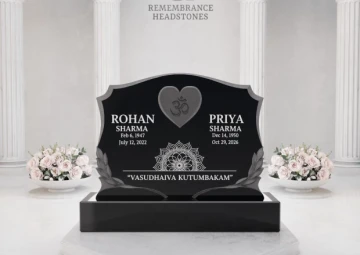
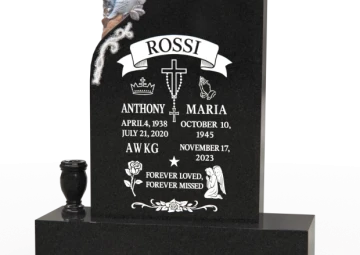
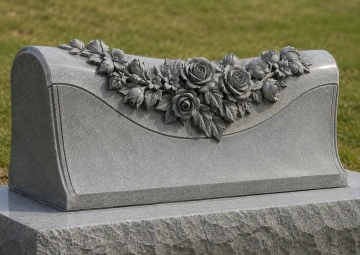
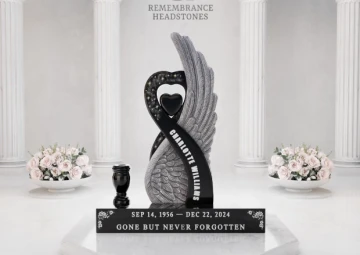
Advanced engraving techniques help families create headstones that are both lasting and personal. This guide explains the main methods we use — laser engraving, hand carving and sandblasting — and how each one affects the look, longevity and meaning of a memorial. You’ll find clear information on the granite engraving process, artistic etching styles and practical choices to consider. If you’d like expert help, Remembrance Headstones can guide you from first idea to finished memorial with care and craftsmanship.
Which advanced engraving techniques work best for headstones?
Which advanced engraving techniques work best for headstones?
There are several advanced techniques that bring detail and personality to headstones. Laser engraving, hand carving and sandblasting each have strengths — from fine photographic detail to deep, weather‑resistant lettering. Knowing the differences helps families choose the best option for their design, budget and the site where the memorial will rest.
How does laser engraving improve detail and precision in memorials?
How does laser engraving improve detail and precision in memorials?

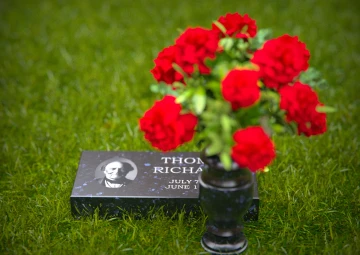
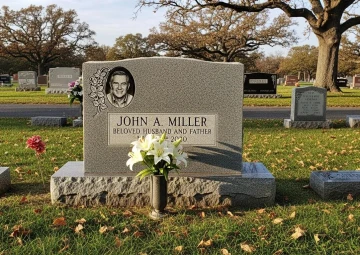
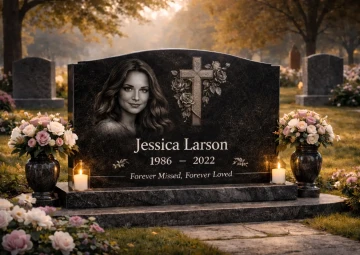
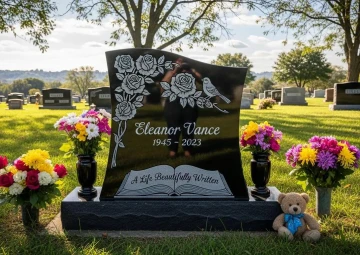
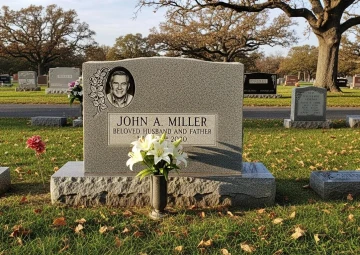
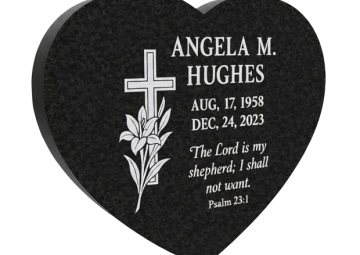
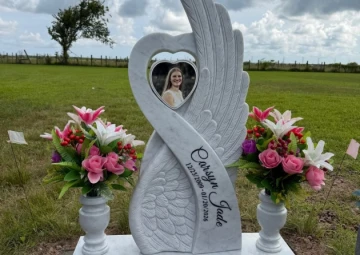
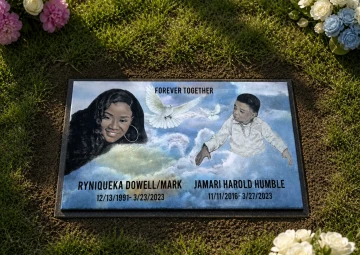
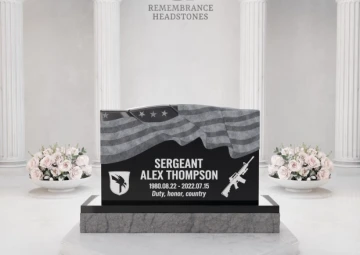
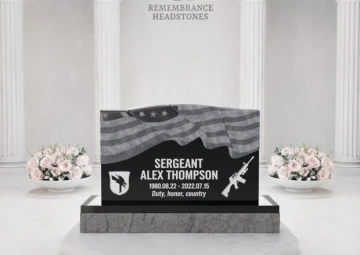
Laser engraving uses a focused beam to etch images and text directly into the stone surface. It’s excellent for capturing very fine detail — photographic portraits, delicate lettering and complex motifs that would be difficult to achieve by hand.
Because laser work can reproduce subtle tones and thin lines, it’s a popular choice when families want a realistic image or intricate artwork on a headstone. The result is a crisp, enduring mark that reads well close up and preserves the detail over time when applied to suitable stone types.
Technical studies underline the versatility and precision that modern laser systems bring to customised designs.
Laser engraving technology for custom designs Laser engraving removes the top layer of material using a sharply focused beam, making it suitable for objects with varied shapes and relief. The final appearance depends on the stone’s composition, the laser’s power and the speed and intensity settings. This flexibility allows a wide range of personalised designs with reliable repeatability. FIBER LASER ENGRAVING ON FLAT AND UNEVEN SURFACES, T Dovramadjiev, 2024
What artistic qualities does hand carving add to memorial stones?
What artistic qualities does hand carving add to memorial stones?

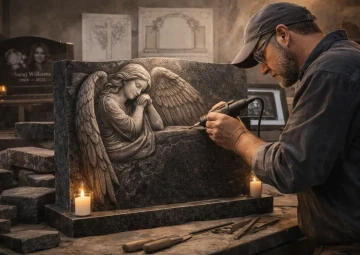
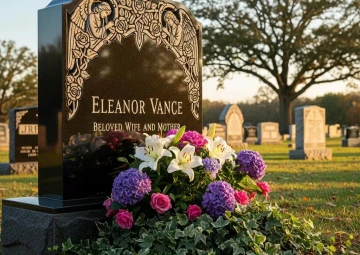
Hand carving is a traditional craft carried out by skilled artisans. Each cut is made by hand, giving the finished piece a warmth and individuality that machine work can’t fully replicate.
Hand‑carved elements are ideal when you want a deeply personal touch — bespoke lettering, relief portraits or symbols that reflect a life and its stories. These memorials often carry cultural and emotional weight, becoming family heirlooms that feel handcrafted and true to the person they honour.
How do sandblasted headstone designs combine durability with classic elegance?
How do sandblasted headstone designs combine durability with classic elegance?
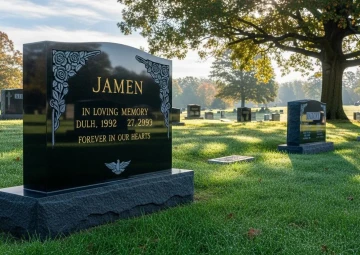
Sandblasting uses high‑pressure air to force abrasive material against the stone, cutting deep and clear lines. The technique creates bold, easy‑to‑read lettering and motifs that hold up well outdoors, making it a reliable choice for long‑term durability.
What are the benefits of deep cut lettering in sandblasting?
What are the benefits of deep cut lettering in sandblasting?
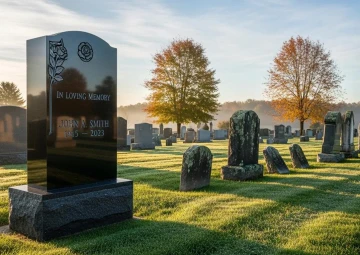
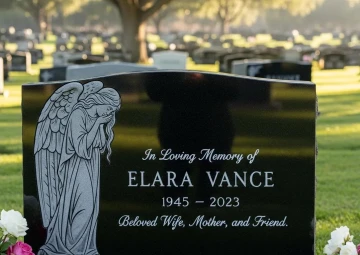
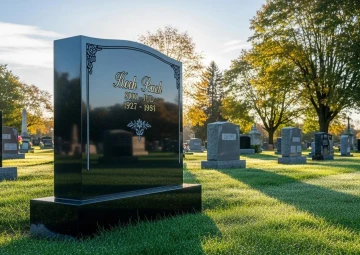
Deep cut lettering improves contrast and legibility, especially from a distance. The greater depth protects inscriptions from erosion, keeping names and dates readable for many years. Sandblasting also works with a wide range of fonts and styles, so you can balance readability with the look you want.
How does sandblasting compare with other engraving methods for longevity?
How does sandblasting compare with other engraving methods for longevity?
Sandblasted cuts are typically more resilient to weathering than surface‑level engravings. Laser engraving delivers finer detail but can be less visible on very rough stone or over long timeframes if not completed to the right depth. Hand carving produces beautiful, tactile results but may require ongoing care depending on the design and site exposure. Families should weigh appearance, location and maintenance when choosing a method.
What is the custom granite engraving process for personalised memorials?
What is the custom granite engraving process for personalised memorials?
Custom granite engraving begins with choosing the right stone — colour, grain and finish matter to both appearance and durability. After that we work through a design consultation, produce sketches or digital mockups, agree the final layout and then move to production. Throughout, our goal is to ensure the memorial reflects your wishes while meeting cemetery regulations and practical needs.
Design and the gravesite itself are often central to how people remember and experience a memorial.
Memorial stone design & gravesite selection Studies of roadside and other memorial places show that the stone’s design and the choice of site are central to how we give meaning to a place of remembrance. Thoughtful design and careful placement shape how a memorial is experienced over time. Designing a Memorial Place, A Petersson, 2011
Why is material selection critical for advanced engraving?
Why is material selection critical for advanced engraving?
The stone you choose affects how well an engraving will look and last. High‑quality granite is often preferred for its resistance to weather and its ability to hold fine detail. Consider colour, texture and finish — these factors influence contrast, readability and the engraving methods we can use effectively.
What happens during a bespoke design consultation?
What happens during a bespoke design consultation?
In a bespoke consultation we listen to your ideas, show examples and advise on what works best for your design and cemetery rules. We’ll provide sketches or digital previews so you can see the proposed layout. Once you approve the design, we schedule production and keep you informed through each stage until delivery and installation.
How can artistic etching styles express symbolism and personal stories?
How can artistic etching styles express symbolism and personal stories?
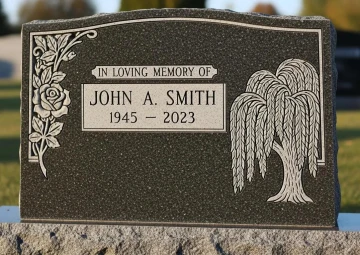
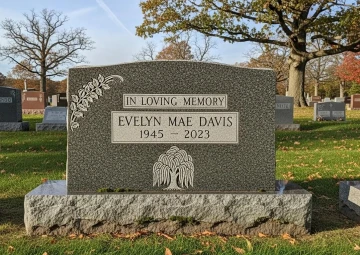
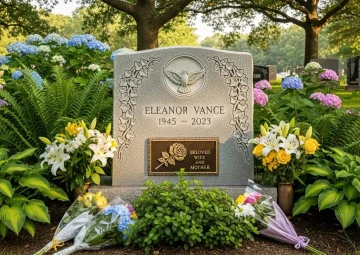
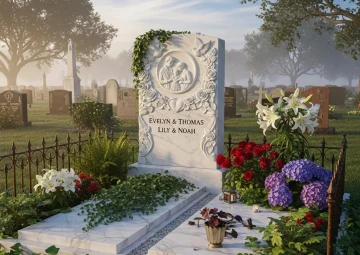
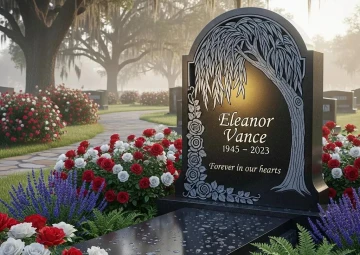
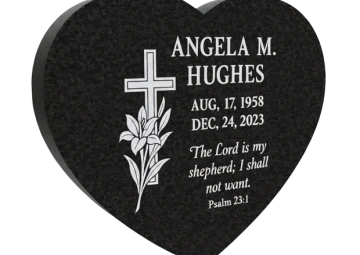
Etching lets families add symbols, quotes or images that tell something of the person’s life. These artistic choices turn a stone into a narrative — a way to mark interests, beliefs or treasured memories in a form that visitors will recognise and understand.
What symbolic engravings are commonly chosen and what do they mean?
What symbolic engravings are commonly chosen and what do they mean?
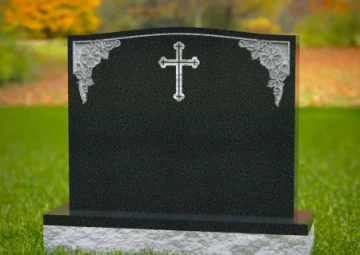
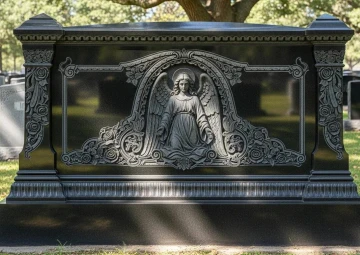
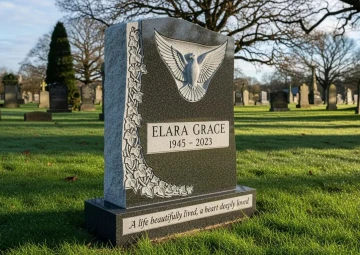
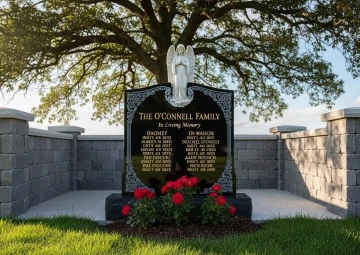
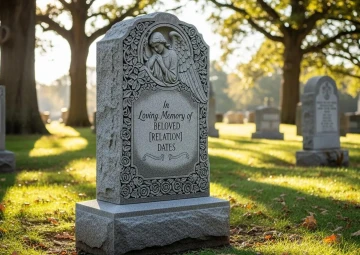
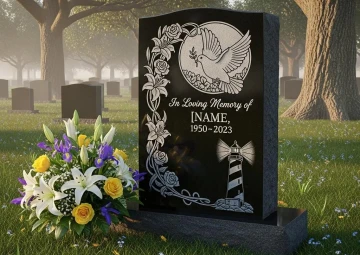
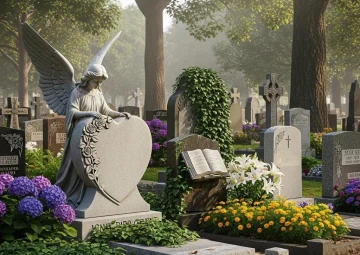
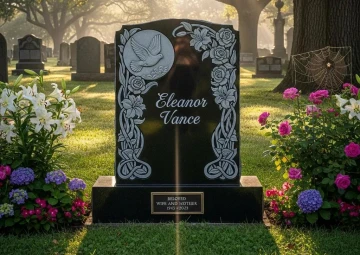
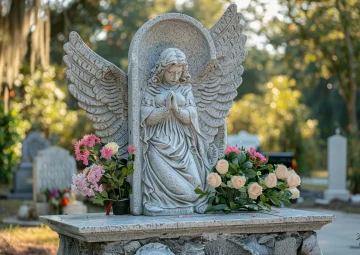
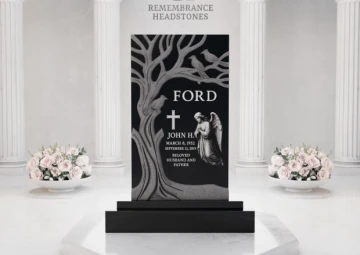
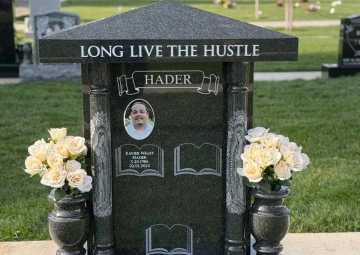
Common symbols include angels for protection, doves for peace, and crosses for faith. Many families pick motifs tied to a person’s passions — musical notes for a musician, books for a reader, or nature scenes for someone who loved the outdoors. Choosing a meaningful symbol helps a memorial speak more clearly about the life it honours.
How does 3D carving improve the visual impact of memorial art?
How does 3D carving improve the visual impact of memorial art?
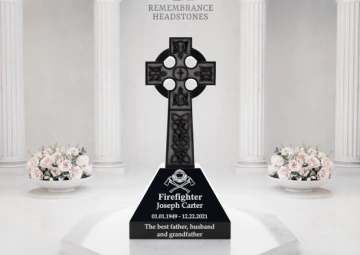
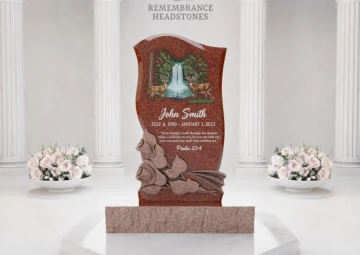
3D carving adds depth and life to a design, creating a focal point that draws the eye. It’s suitable for portraits, raised symbols or shaped headstones and can make a memorial feel more sculptural. Families often choose 3D carvings when they want a striking, personalised statement that remains weather‑resistant and visually engaging.
Why choose Remembrance Headstones for advanced engraving in Ireland?
Why choose Remembrance Headstones for advanced engraving in Ireland?
Choosing the right maker matters. At Remembrance Headstones we combine technical skill with sensitivity — we listen, advise and craft memorials that honour a life. Our focus is on thoughtful design, quality materials and careful workmanship, so each memorial is built to last and to reflect the person it commemorates.
What expertise do our artisans bring to hand‑carved and laser‑etched memorials?
What expertise do our artisans bring to hand‑carved and laser‑etched memorials?
Our artisans have experience across traditional and modern techniques. That mix lets us match the method to the design: hand carving for a deeply personal finish, laser etching for photographic detail, or sandblasting for clear, long‑lasting lettering. Families tell us they appreciate our attention to detail and the care we take with each commission.
How do our techniques honour Irish craftsmanship and cultural heritage?
How do our techniques honour Irish craftsmanship and cultural heritage?
We value Ireland’s long tradition of memorial art and bring that respect into every project. By pairing traditional skills with modern tools, we preserve heritage while offering contemporary options. The result is work that feels rooted in place and respectful of family and community traditions.
What are the guidelines for memorial inscriptions and font selection in Ireland?
What are the guidelines for memorial inscriptions and font selection in Ireland?
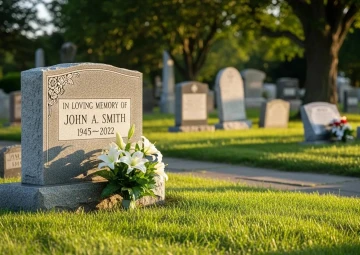
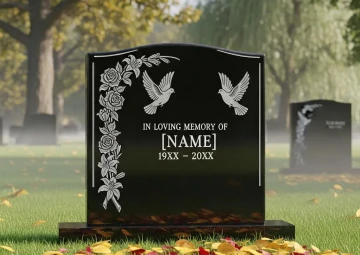
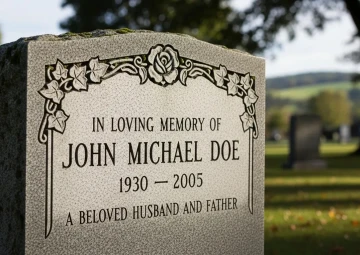
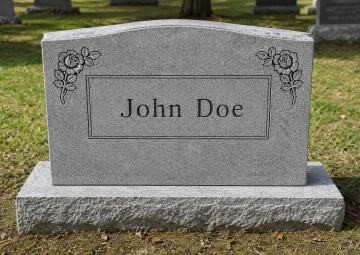
Good inscriptions balance legibility with tone. Cemetery guidelines and local practices often affect size and spacing, so we recommend clear, well‑spaced type and wording that reflects the person’s life. A careful choice of font and layout ensures the inscription reads easily and sits well with any accompanying symbols or decoration.
Typeface and layout play an important role in how messages are seen and remembered on memorials.
Engraving & typeface design for memorial artistry Text cut into stone or cast in metal carries meaning beyond words. Letterforms and their arrangement help express ideas, tastes and beliefs; they form part of the symbolism that gives a funerary place its lasting character. Careful planning of shapes and text supports the construction of enduring memory. Letters to Eternity: Typefaces of the Prazeres Cemetery, 2019
How do you write a meaningful epitaph for a personalised headstone?
How do you write a meaningful epitaph for a personalised headstone?
A good epitaph captures the person’s spirit in a few clear words. Think about what mattered to them, short phrases loved by family, or a line that sums up who they were. Keep it concise — an effective epitaph is simple, honest and easy to read for visitors who come to remember.
Which fonts ensure legibility and harmony on engraved memorials?
Which fonts ensure legibility and harmony on engraved memorials?
Choose fonts that read well at the size required. Classic serif faces work for a traditional look, while a clean sans‑serif gives a more modern feel. Whatever the style, prioritise clarity: stronger contrast and slightly larger letter sizes help inscriptions remain legible over time.
Frequently Asked Questions
Frequently Asked Questions
What factors should be considered when choosing a headstone design?
What factors should be considered when choosing a headstone design?
Consider the person’s character, interests and cultural or religious background. Think about size, shape and material, and how the design will sit in the chosen plot. Practical matters — cemetery rules, maintenance and budget — are also important. A short consultation with an artisan can help bring the right balance between meaning and durability.
How can families personalise their memorials beyond engravings?
How can families personalise their memorials beyond engravings?
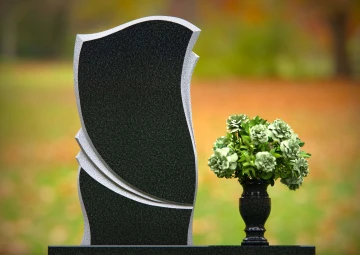
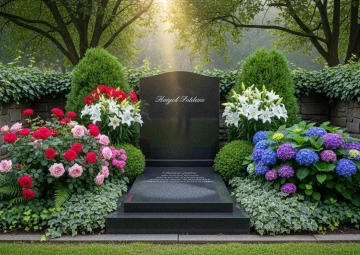
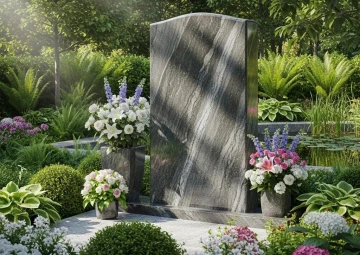
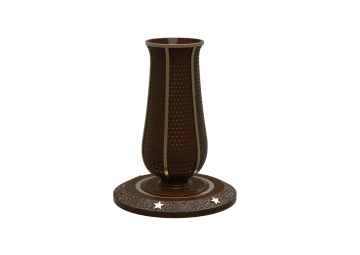
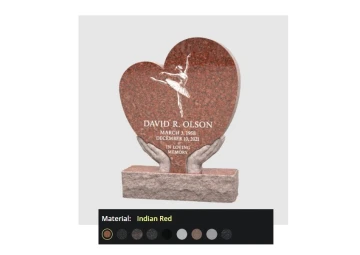
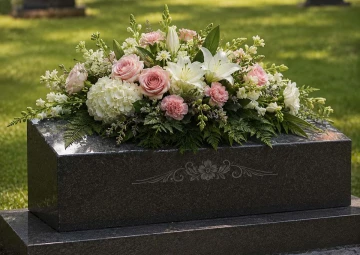
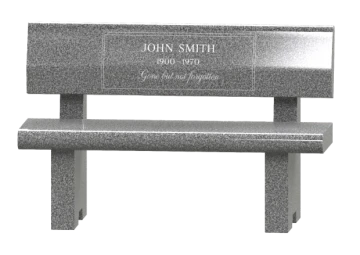
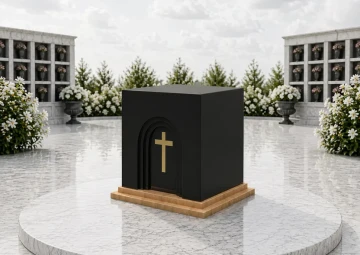
Personalisation can include special shapes, inlaid materials, coloured finishes, vases, benches or sculptures. Planting flowers or placing a small memorial garden nearby also creates a living tribute. These choices help create a welcoming place that reflects the person’s life and invites visitors to remember.
What maintenance is required for engraved headstones?
What maintenance is required for engraved headstones?
Regular gentle cleaning removes dirt, lichen and moss; use a soft brush and mild soap. Inspect the stone periodically for damage like cracks or loss of finish. Some materials benefit from occasional professional care or sealing. We’re happy to advise on maintenance suited to the stone and the local climate.
What are common mistakes to avoid when designing a headstone?
What are common mistakes to avoid when designing a headstone?
Avoid overly complex details that won’t translate well at scale, and ensure text is large enough to be read easily. Choose materials suited to the local weather and check cemetery size limits and regulations early in the process. Most families find that working with an experienced maker prevents costly design missteps.
How do cultural traditions influence headstone designs?
How do cultural traditions influence headstone designs?
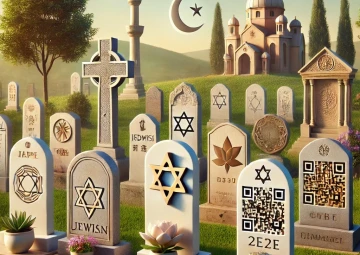
Cultural and religious customs often guide symbols, inscriptions and styles. Some communities prefer simple, modest markers; others favour more ornate memorials. Understanding and respecting these traditions helps create a design that feels appropriate and meaningful within the family’s cultural context.
What are the benefits of pre‑planning a headstone?
What are the benefits of pre‑planning a headstone?
Pre‑planning lets you make thoughtful decisions without time pressure. It gives you the chance to choose wording, design and materials that truly reflect the person, and to budget sensibly. It also relieves relatives of immediate decisions during a difficult time and ensures the memorial aligns with the family’s wishes.
Conclusion
Conclusion
Advanced engraving techniques offer practical and creative ways to create a lasting, personal tribute. By understanding the strengths of laser engraving, hand carving and sandblasting — and by choosing the right stone and design — families can create memorials that honour a life with dignity. At Remembrance Headstones we combine craft, care and clear advice to help you create a memorial that reflects the person you remember. Contact us to begin the conversation and explore your options.