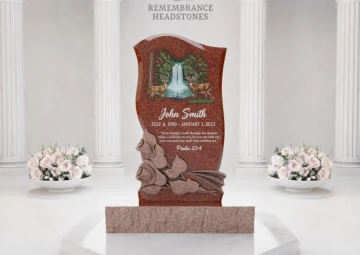
Flat grave markers are a practical and widely accepted memorial option used in many cemeteries. Their low-profile design provides a clean, uniform appearance while still allowing meaningful personalization through inscriptions and symbols. This guide explains types, materials, pricing factors, cemetery rules, installation requirements, and customization options to help families make informed decisions.
What Are Flat Grave Markers?
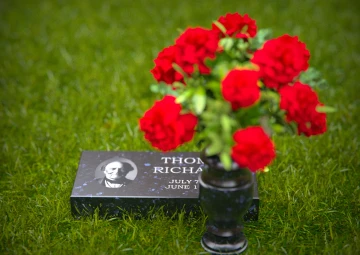
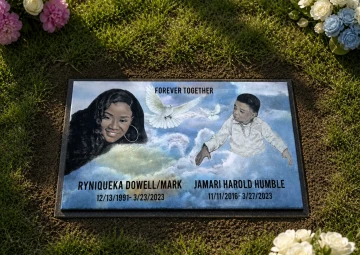
Flat grave markers—also called flush markers—are memorial plaques installed level with the ground at the head of a grave.
They are commonly selected because they:
- meet most cemetery regulations
- cost less than upright monuments
- provide a neat and uniform appearance
- require minimal maintenance
- allow personalized inscriptions and symbols
Many modern cemetery sections prefer flush markers for landscape consistency.
Types of Flat Grave Markers
Granite Flat Grave Markers
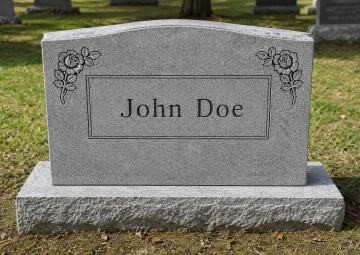
Granite flush markers are durable and available in multiple finishes and colors. They support engraved lettering and decorative artwork.
Bronze Flat Grave Markers
Bronze plaques are often mounted on granite bases and offer a refined appearance with raised lettering.
Companion Flat Grave Markers
These wider markers commemorate two individuals and are commonly used for couples or shared plots.
Temporary Grave Markers
Temporary markers may be installed until a permanent memorial is selected and approved.
Materials Used for Flat Grave Markers
Material choice affects longevity, appearance, and maintenance requirements.
Granite
Granite remains the most popular material because it:
- resists weather damage
- supports detailed engraving
- lasts for decades
- requires minimal maintenance
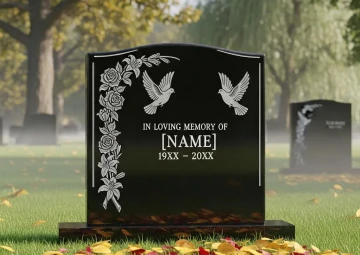
Black granite provides especially strong contrast for inscriptions.
Bronze
Bronze offers an elegant memorial surface and is commonly paired with granite foundations for strength and stability.
Flat Grave Marker Costs
Flat grave markers are typically more affordable than upright monuments, making them a practical choice for many families.
Pricing depends on:
- material selection
- marker size
- engraving complexity
- cemetery permit fees
- installation requirements
- customization details
Because cemetery requirements vary, confirming specifications early helps avoid delays or unexpected costs.
Cemetery Rules for Flat Grave Markers
Many cemeteries prefer flat markers to maintain landscape uniformity.
Typical regulations may include:
- maximum marker dimensions
- approved materials
- inscription guidelines
- installation approval requirements
- foundation preparation standards
Confirm requirements with cemetery management before finalizing a design.
Installation Process for Flat Grave Markers
Proper installation ensures stability and long-term durability.
Installation usually includes:
- cemetery approval verification
- foundation preparation
- marker placement at ground level
- alignment adjustment
- final inspection
Professional installation helps ensure compliance with cemetery standards.
Designing a Flat Grave Marker
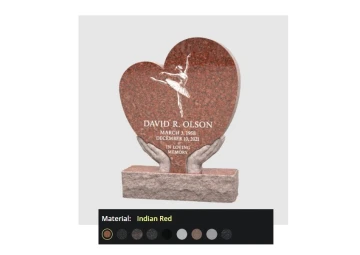
Despite their compact size, flat markers allow meaningful personalization.
Common design features include:
- engraved inscriptions
- religious symbols
- floral artwork
- military emblems
- family names
- companion layouts
Careful design planning ensures the memorial reflects the individual respectfully.
Advantages of Flat Grave Markers
Families often choose flush markers because they:
- comply with most cemetery regulations
- cost less than upright monuments
- require less maintenance
- integrate neatly into cemetery landscapes
- remain durable for decades when made from granite or bronze
These benefits make them one of the most practical memorial options available.
Maintenance and Longevity
Flat grave markers require minimal upkeep when properly installed.
Recommended care includes:
- occasional gentle cleaning
- removing debris or grass buildup
- avoiding harsh chemical cleaners
- periodic inspection after seasonal weather changes
Routine maintenance preserves readability and appearance over time.
Choosing the Right Flat Grave Marker
Selecting a marker involves balancing cemetery requirements with personal preferences.
Families typically consider:
- material durability
- marker dimensions
- inscription layout
- cemetery regulations
- installation timelines
- customization possibilities
Planning ahead simplifies approvals and ensures a respectful memorial outcome.
Frequently Asked Questions
Are flat grave markers allowed in all cemeteries?
Many cemeteries allow flat markers, and some sections require them for uniform appearance.
How long do flat grave markers last?
Granite markers can last several decades with minimal maintenance.
Are flat grave markers cheaper than upright headstones?
Yes. Flat markers are generally more affordable because they require less material and simpler installation.
Can flat grave markers include symbols or artwork?
Yes. Granite engraving and bronze plaques allow personalization within cemetery guidelines.
Do flat grave markers require foundations?
Most cemeteries require a prepared base to ensure stability and long-term placement.
Conclusion
Flat grave markers provide a durable, affordable, and widely accepted memorial solution. Their clean appearance and customization flexibility make them a thoughtful choice for families seeking a respectful tribute that meets cemetery requirements while preserving long-term readability and structure.