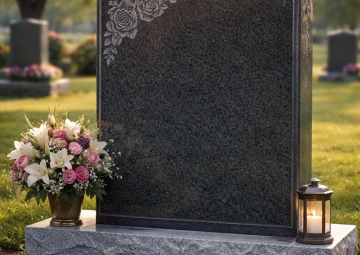
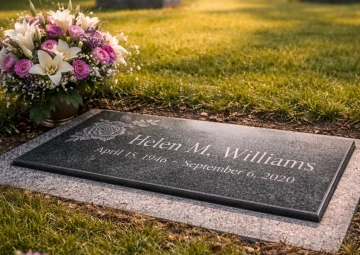
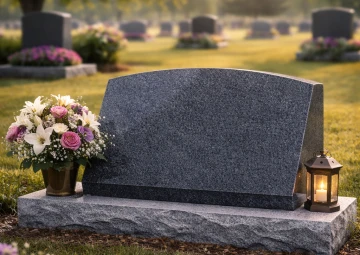
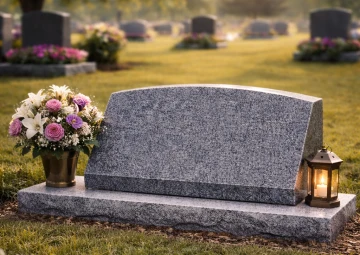
When families choose a luxury memorial, the origin of the stone matters. This article explains what ethical sourcing means for memorial granite, the signs of sustainably produced stone, and why responsible quarrying matters for both the environment and local communities. You’ll find practical guidance on certifications, eco-friendly alternatives, and how ethical sourcing supports superior craftsmanship and long-lasting tributes. As personalization becomes more important, knowing where materials come from helps families make thoughtful, values-driven decisions.
What counts as ethical gravestone material — and what makes granite sustainable?
Ethical gravestone materials are judged by how they’re sourced, the environmental impact of extraction, and the social responsibility of the companies involved. Sustainable memorial granite combines long-term durability and visual beauty with extraction and processing methods that limit harm to ecosystems and people. Choosing these materials creates meaningful memorials while aligning with wider commitments to stewardship and fairness.
How is ethical stone sourcing defined in the memorial industry?
In our industry, ethical stone sourcing means obtaining materials in ways that protect the environment and respect workers’ rights. That includes transparent supply chains, regulated quarrying that avoids undue habitat damage, and clear labor standards. Businesses that show where their stone comes from and how it’s handled make it easier for families to trust the memorials they choose.
What are the key characteristics of sustainable granite for memorials?

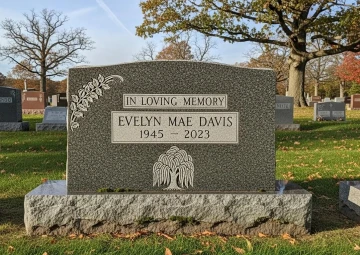
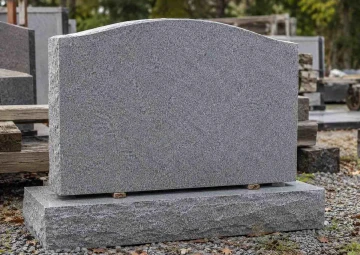
Sustainable granite for memorials is typically sourced from quarries that minimise waste and use water and energy responsibly. It’s chosen for its durability so memorials endure with minimal care, and for its natural character — the patterns and colours that give each piece personality. Selecting sustainably produced granite lets families create lasting tributes while supporting better industry practices.
How does responsible quarrying affect luxury memorials?
The way stone is quarried affects a memorial’s environmental footprint and the integrity of the finished piece. Responsible quarrying reduces habitat disruption, limits pollution, and supports safer working conditions — all of which contribute to memorials that are both beautiful and ethically made.
Studies highlight the environmental costs of unchecked hard rock quarrying and make the case for stricter regulation and more sustainable practices.
Assessing Unsustainable Hard Rock Quarrying & Environmental Impact
Growing demand for building stone and construction sand has driven aggressive hard rock quarrying in many regions. Detailed assessments show limited short-term economic gains but significant negative impacts across environmental measures. The study concludes that current quarrying intensity is unsustainable and calls for tighter regulation to reduce river-basin degradation and to protect ecosystem services.
Environmental impact assessment (EIA) of hard rock quarrying in a tropical river basin—study from the
SW India, M Vandana, 2020
What practices make quarrying more environmentally friendly?
- Water conservation: Reusing and recycling water in stone processing to reduce freshwater demand.
- Land reclamation: Restoring worked sites to support wildlife and reduce long-term landscape damage.
- Energy efficiency: Choosing lower-emission equipment and, where feasible, renewable energy for quarry operations.
How are fair labor standards upheld in stone production?
Fair labor means safe workplaces, fair pay, and training opportunities for quarry and workshop staff. Ethical suppliers audit working conditions, follow local and international labour laws, and invest in worker welfare. Those practices protect people and strengthen the communities that supply memorial stone.
Which certifications and standards confirm ethical memorial stone sourcing?
Certifications help families verify that stone has been produced with care for people and planet. Recognised standards provide independent assurance about environmental management and responsible sourcing.
What are the most recognised certifications for sustainable granite?
| Certification | Description | Significance |
|---|---|---|
| ANSI/NSC 373 | A standard for sustainable practices across the stone industry | Confirms both environmental and social responsibility in stone sourcing |
| ISO 14001 | An international environmental management system standard | Shows an organisational commitment to reducing environmental impact |
| Green Seal | A product-focused ecolabel for rigorous environmental criteria | Helps consumers identify more eco-friendly material choices |
How can consumers verify certified ethical sourcing?
Consumers can take a few straightforward steps to confirm ethical sourcing:
- Research suppliers: Look for company statements, certification logos, and published sourcing information.
- Understand certifications: Learn what each certification covers so you know what protections and standards apply.
- Ask direct questions: Request traceability details and documentation from suppliers to ensure transparency.
These steps help families choose memorial products that match their values with confidence.
What eco-friendly headstone options exist in the luxury market?

Luxury memorials increasingly include eco-friendly choices, providing alternatives to conventional stone while maintaining refined design and quality. These options reduce environmental impact and offer distinct looks for personalised memorials.
How do recycled and locally sourced stones compare to traditional materials?
- Environmental benefits: Recycled materials cut waste and reduce demand for new extraction.
- Cost considerations: Local stone can lower transport emissions and delivery costs.
- Aesthetic differences: Reclaimed or local stone may have unique textures and hues that add character.
Choosing these options supports local economies and reduces the memorial’s overall footprint.
What are biodegradable and alternative memorial materials?
- Biodegradable urns: Crafted to return to the earth safely over time.
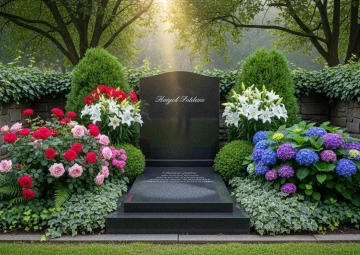
- Living memorials: Planting trees or dedicated gardens that grow as a living tribute.
- Alternative stones: Engineered or composite materials designed to lower environmental impact while offering durability.
These alternatives allow families to create meaningful, planet-minded tributes that suit their beliefs and aesthetic preferences.
How does ethical sourcing improve craftsmanship and longevity in luxury headstones?
Ethical sourcing often means better-quality raw materials, more consistent supply chains, and a higher standard of workmanship. Together, these factors contribute to memorials that remain beautiful and structurally sound for generations.
In what ways does ethical granite support lasting memorial art?
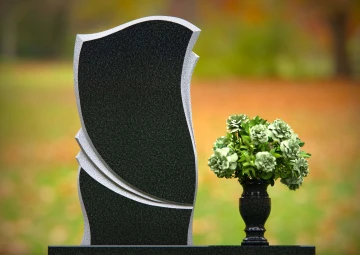
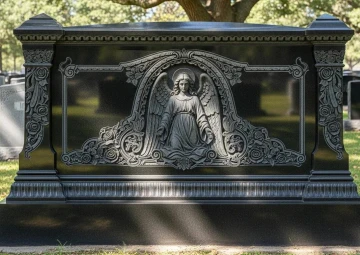
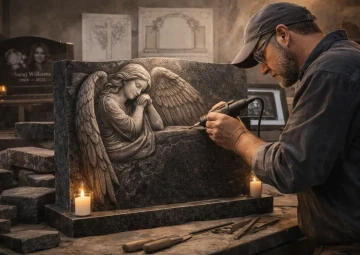
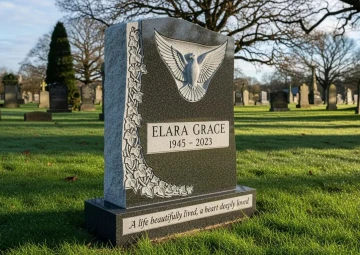
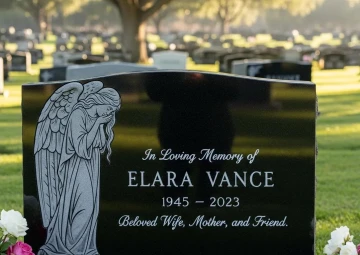
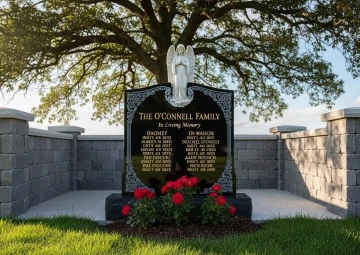
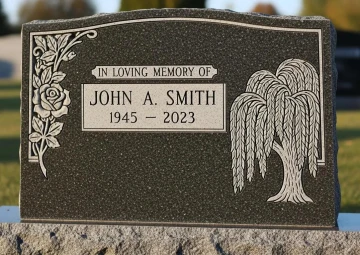
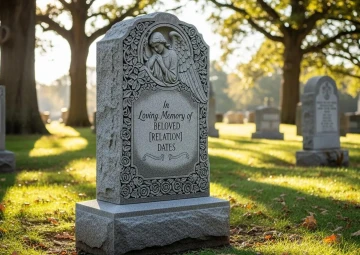
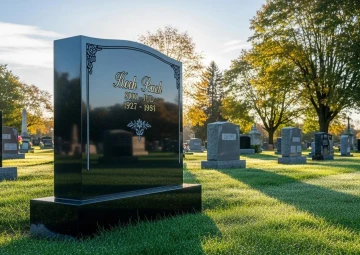
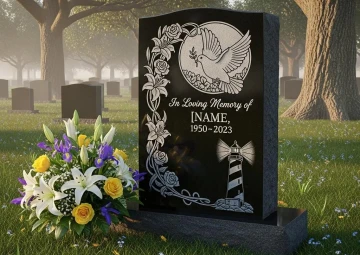
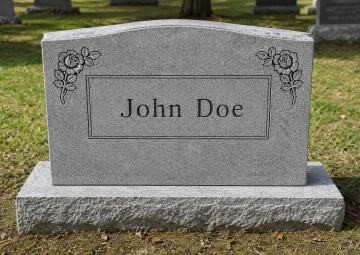
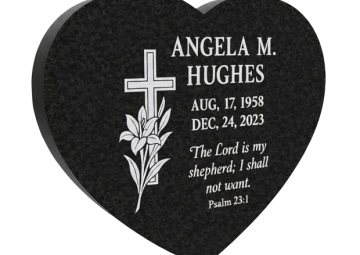
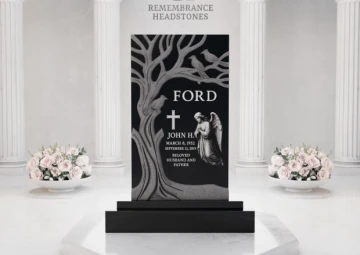
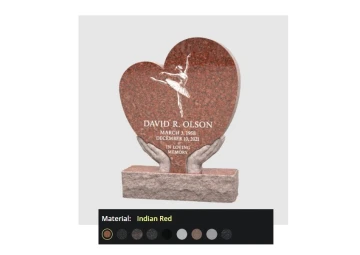
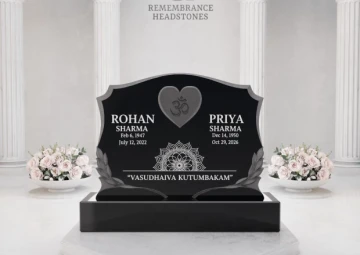
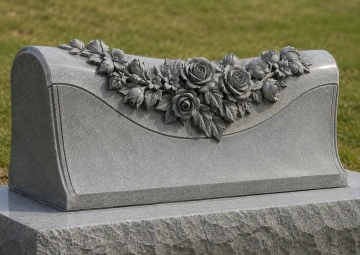
Responsibly sourced granite delivers the strength and weather resistance needed for memorials that age gracefully. When stone is chosen with care, artisans can confidently craft detailed, personalised pieces — including intricate special-shaped headstones — that honour an individual’s life with dignity.
How do skilled artisans incorporate sustainable materials into designs?
Experienced stoneworkers select sustainable materials for both their performance and visual qualities. They adapt techniques to highlight natural patterns and finishes while minimising waste, producing memorials that reflect family wishes and responsible sourcing practices.
Why choose Remembrance Headstones for ethically sourced luxury memorials?
At Remembrance Headstones we combine six decades of experience with a clear commitment to responsible sourcing and expert craftsmanship. Families trust us to create personalised memorials that honour loved ones and meet high ethical standards.
What is Remembrance Headstones’ commitment to transparency and sustainability?
We prioritise openness about our materials and partners, and we support sustainability through careful material selection and fair labour practices. That transparency helps families make informed choices and builds lasting trust in every memorial we create.
How do digital memorial features complement ethical stone sourcing?
Our digital memorial options — from online tributes to virtual guestbooks — extend the way families remember a life while keeping the physical memorial rooted in responsible sourcing. Technology and ethically chosen materials together offer a richer, more personal way to commemorate someone special.
Frequently Asked Questions
What are the environmental benefits of choosing ethically sourced granite for memorials?
Choosing ethically sourced granite reduces ecosystem disruption through better quarrying practices, such as water recycling and land restoration. These approaches help protect local habitats and lower carbon emissions associated with extraction and transport. By selecting responsibly sourced stone, families support suppliers who invest in environmental stewardship.
How can families ensure that their memorial choices align with their values?
Families can align memorial choices with their values by researching suppliers, asking about sourcing and certifications, and requesting traceability for material origins. Open conversations with memorial providers about environmental and labour practices ensure the finished memorial reflects the family’s priorities.
What role do artisans play in the ethical sourcing of memorial stones?
Artisans are key to turning responsibly sourced stone into lasting memorials. Their craftsmanship emphasises material strengths, reduces waste, and produces personalised designs that honour a life. Skilled stoneworkers also advocate for better materials and practices within the supply chain.
Are there specific eco-friendly materials that are gaining popularity in memorial design?
Yes. Biodegradable urns, living memorials like memorial trees or gardens, and alternative engineered stones are all growing in popularity. These options appeal to families who want meaningful tributes with a reduced environmental footprint.
What are the long-term benefits of investing in ethically sourced memorials?
Long-term benefits include durable, low-maintenance memorials crafted from high-quality materials, and the reassurance that choices supported sustainable and fair practices. Investing in ethically sourced memorials also supports industries and communities committed to responsible stewardship.
How does ethical sourcing influence the overall cost of memorials?
Ethical sourcing can affect cost in different ways. Some responsibly sourced materials may carry a premium, but they often offer greater longevity and lower upkeep. In many cases, choosing local or reclaimed stone can reduce transport and material costs. Families should weigh immediate price against durability and values when deciding.
Conclusion
Choosing ethically sourced granite lets families create memorials that are both beautiful and responsible. By understanding quarrying practices, certifications, and the benefits of sustainable materials, you can make a choice that honours your loved one and respects the environment. Explore our ethically sourced options and let us help you craft a meaningful, enduring tribute.