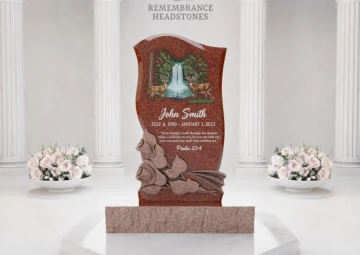
Knowing cemetery rules before you order a custom luxury headstone saves time, avoids surprises, and ensures the memorial you choose is respectful and legal. This guide walks you through the regulations that commonly affect headstones and how to design a personalized memorial that meets those requirements. Many families find the rules confusing — but with clear information and the right partner, you can create a beautiful tribute that honors your loved one and complies with cemetery policy. Below we explain key regulations, the approval and installation steps, design possibilities for luxury headstones, and how working with Remembrance Headstones can make the process smoother.
What are the key cemetery headstone regulations you should know?
Cemetery regulations protect the appearance, safety, and long-term care of burial grounds. Knowing the rules up front helps you avoid delays and extra fees when installing a headstone. Typical restrictions cover dimensions, approved materials, and allowable designs — and they vary from one cemetery to another. Reviewing local policies early lets you choose a headstone that fits both your vision and the cemetery’s standards.
What are typical size and dimension restrictions for headstones?
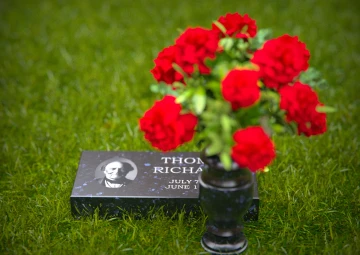
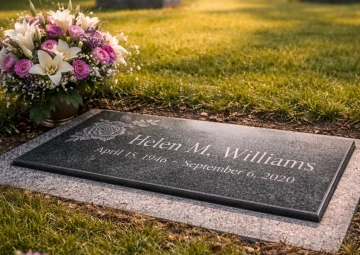
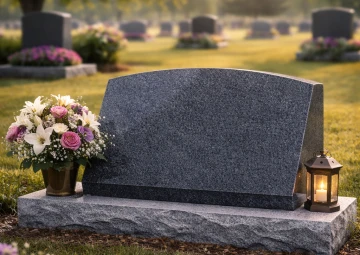
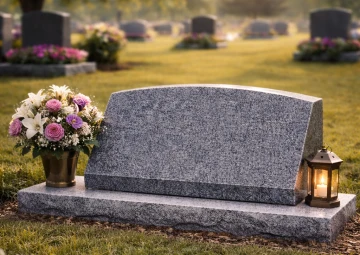
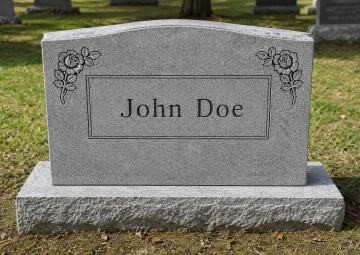
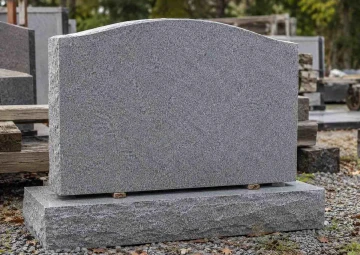
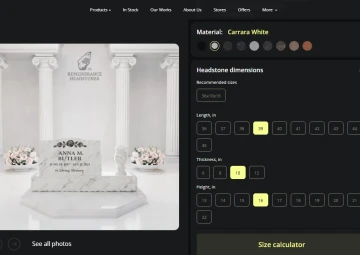
Most cemeteries set clear size limits to keep rows uniform and maintain lawn care standards. Upright headstones commonly measure between 24 and 36 inches tall and 12 to 24 inches wide. Flat markers often top out at about 24 by 12 inches, while bevel markers usually don’t exceed 16 inches in height. Always confirm the cemetery’s exact dimensions before finalizing a design — requirements can differ by section or cemetery.
Which materials and finishes are usually approved by cemeteries?
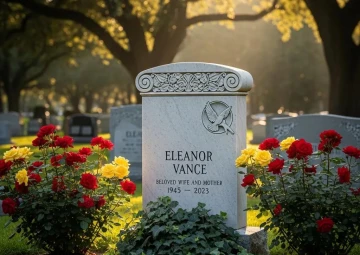
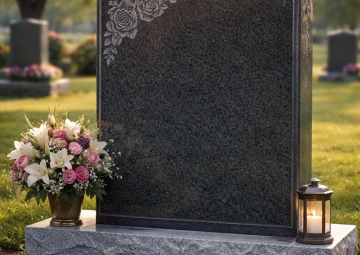
Cemeteries tend to approve durable, low-maintenance materials that age gracefully. Granite and bronze are the most widely accepted choices — granite for its weather resistance, and bronze for its classic longevity. Marble is less commonly permitted today because it weathers more quickly. Cemeteries may also specify acceptable surface finishes (polished, honed, etc.) to keep a consistent look across the grounds. Choosing the right material helps your memorial remain beautiful for decades.
How does the headstone approval and installation process work?
Installing a headstone involves several steps designed to confirm compliance and ensure a secure installation. Expect to provide documentation, submit design drawings for approval, and follow specific installation and foundation requirements set by the cemetery.
What steps are involved in cemetery permit and design approval?

To start, you usually submit a permit application to the cemetery with proof of plot ownership and detailed design specs. Approval timelines vary — from a few days to several weeks — depending on the cemetery’s process. Common delays come from incomplete applications or designs that don’t meet the posted standards. Providing complete, accurate documentation and working with a knowledgeable provider will speed approval.
Why is professional installation and foundation compliance important?
Professional installation protects both the memorial and the cemetery. Poorly set headstones can tilt, sink, or become safety hazards — outcomes that often violate cemetery rules. A qualified installer will place a foundation that matches the cemetery’s specifications and ensures long-term stability. That attention to detail keeps the memorial secure and avoids future corrective work.
How can you design a custom luxury headstone that meets regulations?
Designing a custom luxury headstone is about balancing personal expression with the cemetery’s rules. Thoughtful planning lets you create a meaningful, distinctive memorial while staying within permitted size, material, and design limits.
What types of headstones and personalization options are available?

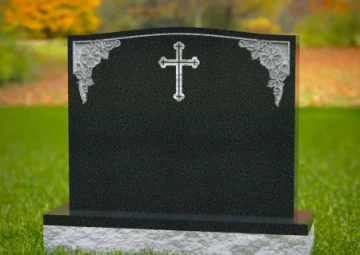
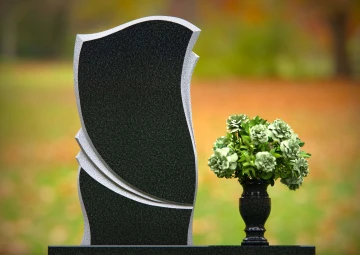
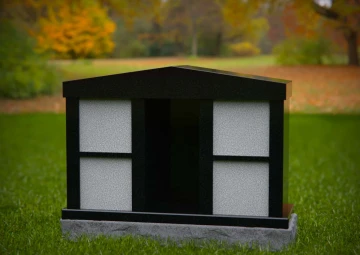
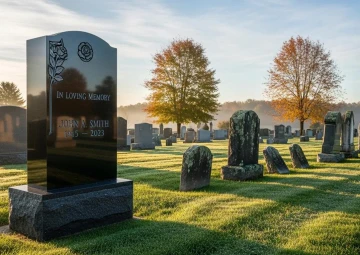
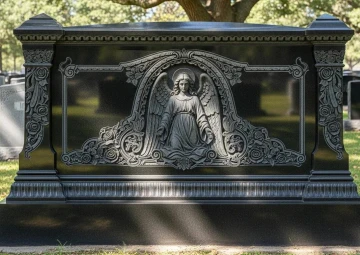
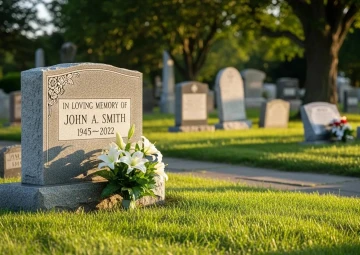
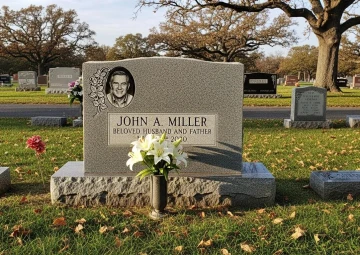
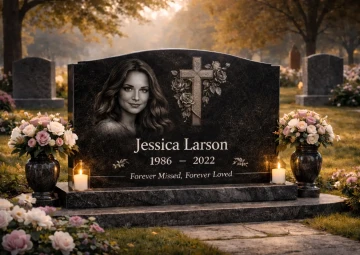
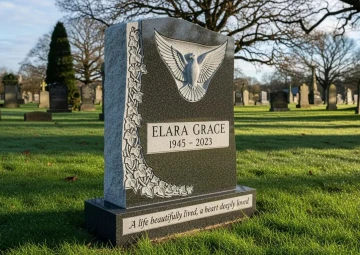
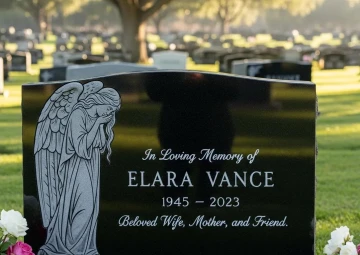
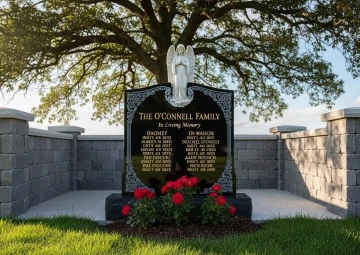
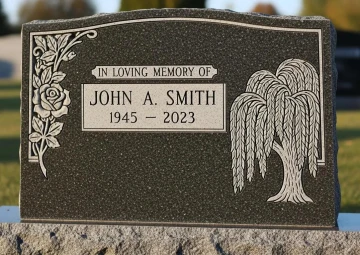
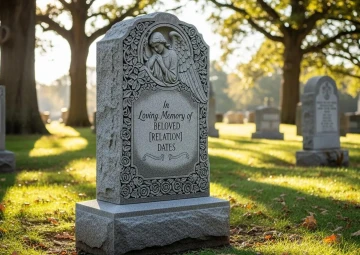
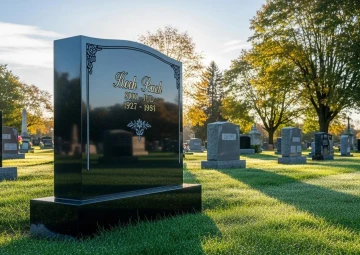
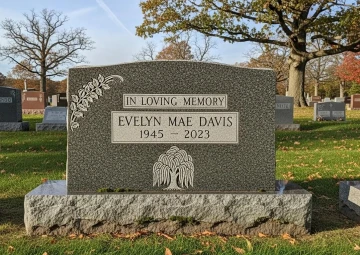
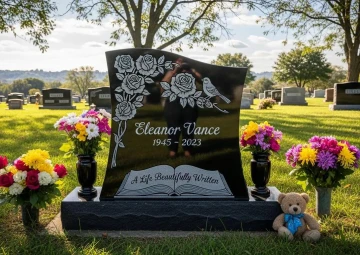
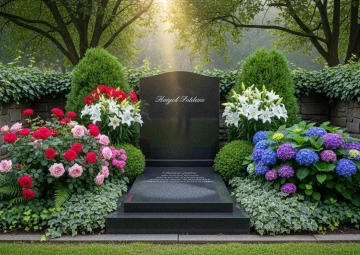
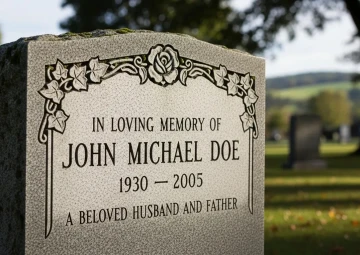
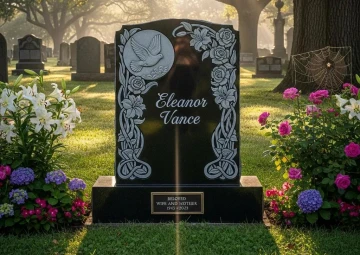
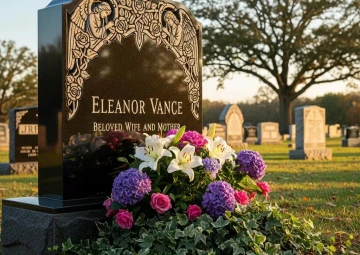
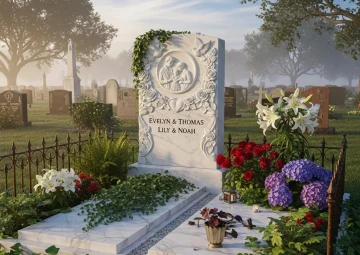
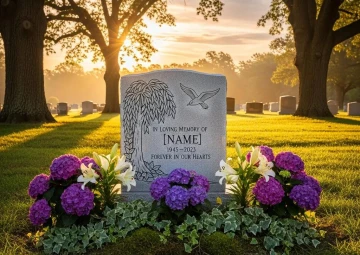
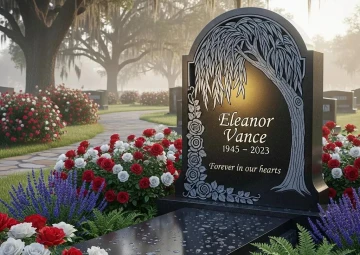
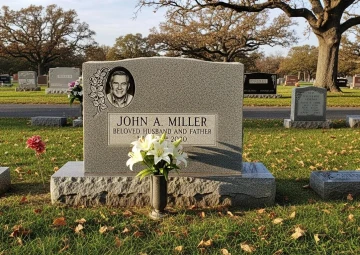
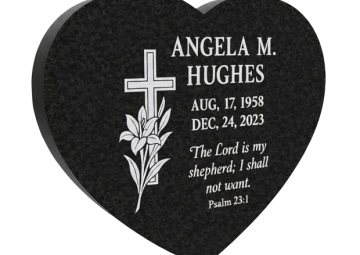
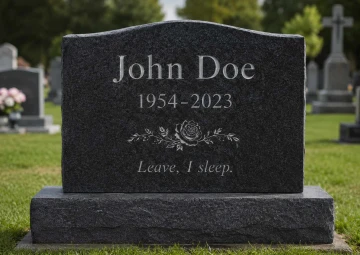
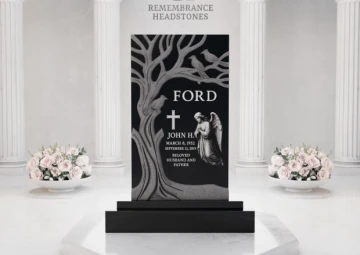
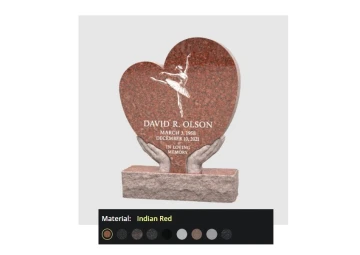
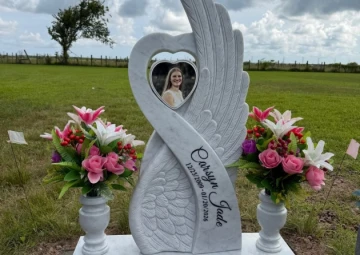
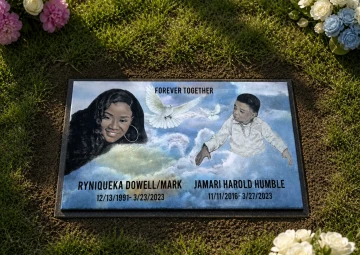
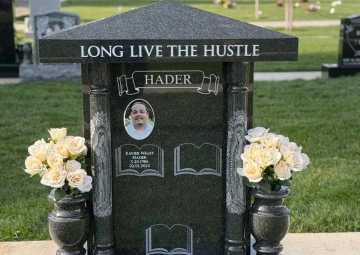
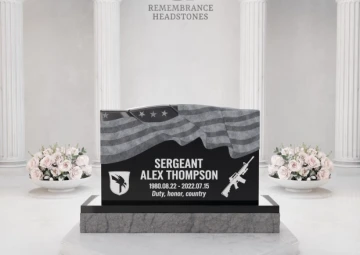
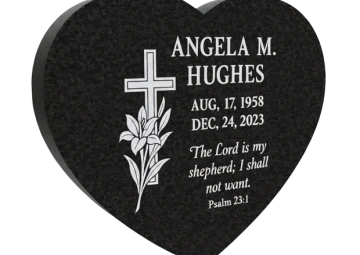
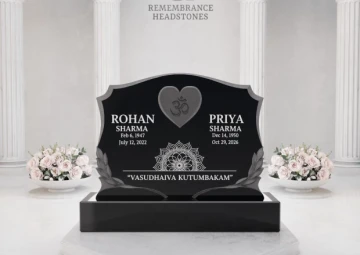
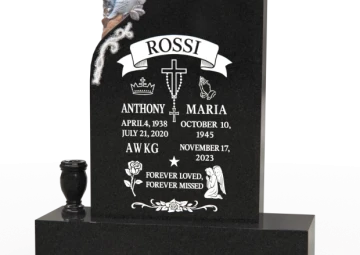
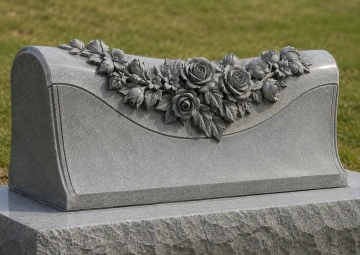
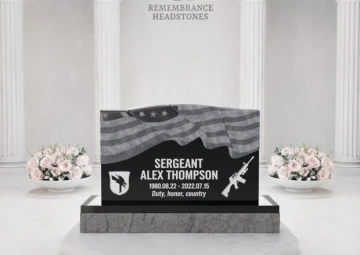
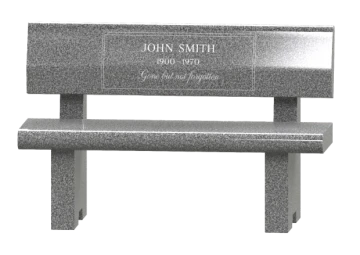
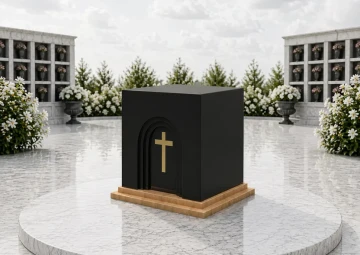
Common options include upright headstones, flat markers, and bevel markers, each with different personalization possibilities — from carved inscriptions and photo etchings to custom shapes and inlaid emblems. You can add meaningful symbols, quotes, or images that reflect a life well lived, while still observing the cemetery’s size and design boundaries. If you’re unsure, ask your provider for compliant layout mockups before finalizing the art.
How does material choice affect durability and cemetery acceptance?
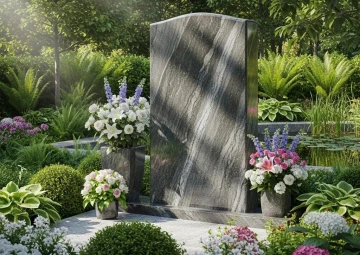
Your material choice affects both how a memorial looks over time and whether a cemetery will approve it. Granite is a top choice for longevity and broad acceptance. Softer stones like limestone or marble can show weathering sooner and may be restricted or discouraged in some cemeteries. Considering durability alongside aesthetics helps ensure the headstone remains a fitting tribute for generations.
Why choose Remembrance Headstones for your custom memorial needs?
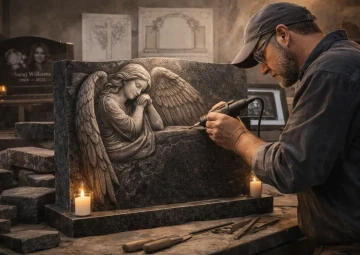
Choosing the right partner makes the process easier and more personal. At Remembrance Headstones, we specialize in luxury, handcrafted memorials and guide families through every step — from design to permitted installation.
How does Remembrance Headstones navigate cemetery regulations for you?
We handle the paperwork, interpret local rules, and prepare designs that meet cemetery requirements so you don’t have to worry. Our experience with approval processes and local standards helps prevent delays and ensures the final memorial both honors your loved one and complies with all regulations.
What financing and digital memorial services do we offer?
We offer flexible financing to make custom memorials more accessible and digital memorial services so family stories, photos, and memories can be shared online. These options let you create a lasting tribute that works in the cemetery and in the digital space for relatives who can’t visit in person.
What are common questions about cemetery regulations and custom headstones?
Families frequently ask about costs, timelines, compliance checks, and personalization limits. Clear answers help set expectations and make the process less stressful.
What are typical costs and timelines for custom headstone projects?
Prices vary with materials, design detail, and cemetery fees. A typical custom headstone project ranges roughly from $1,000 to $4,000. Completion can take a few weeks to several months depending on design complexity and approval timing. Talk with your provider early so you can plan budget and timing accurately.
How can you ensure your personalized grave marker complies with rules?
Start by checking the cemetery’s written guidelines and share those requirements with your memorial provider. Create a checklist of size, material, and design limits, and request a pre-approval or mockup before production. Working with professionals who understand local rules gives you confidence that your marker will be accepted.
Frequently Asked Questions
What should you consider when choosing a cemetery for your headstone?
Consider location, the cemetery’s rules, and the overall atmosphere you want for visits. Rules about size, materials, and design can vary and will shape your choices. Also look at ongoing maintenance practices and accessibility for family members. Ask about any future plans for the property that could affect long‑term care of the site.
Can you change the design of a headstone after installation?
Changes after installation are possible but usually require cemetery approval. Many cemeteries limit the types of alterations allowed and may require permits for modifications. Before making changes, consult cemetery management and hire a professional familiar with local rules to keep the memorial intact and compliant.
What are the environmental considerations for headstone materials?
Think about the environmental impact of material extraction and long‑term durability. Natural stone like granite lasts a long time but has ecological costs at the quarry. Some cemeteries and families opt for more sustainable or biodegradable choices where permitted. Ask your cemetery about eco‑friendly options and weigh longevity against environmental concerns.
How can you personalize a headstone while staying compliant?
Review the cemetery’s parameters first, then choose personalization that fits within those limits — inscriptions, small symbols, etchings, and approved emblems are common. Your provider can suggest compliant ways to express individuality without risking rejection at approval time.
What are the benefits of digital memorial services?
Digital memorials let family and friends share memories, photos, and stories in a place that’s accessible from anywhere. They complement a physical headstone by offering a space for ongoing tributes and updates, and they help relatives who can’t visit in person stay connected to the memorial.
What should you do if you encounter issues with cemetery regulations?
Start by speaking directly with cemetery management to clarify the rule in question. If needed, involve a memorial professional who understands local regulations to help resolve the issue. Keep written records of communications and approvals — documentation makes disputes easier to resolve.
Conclusion
Understanding cemetery regulations lets you design a custom luxury headstone that both honors your loved one and meets local rules. By learning about size limits, approved materials, and the approval process — and by partnering with an experienced provider like Remembrance Headstones — you can create a lasting, compliant memorial with confidence. When you’re ready, we’re here to help you start the design process.