Table of Contents
What Makes a Custom Granite Monument “Luxury”?
How Personalised Design Reflects and Preserves Family Heritage
How Do Luxury Monuments Function as Enduring Family Legacy Markers?
Why Choose Remembrance Headstones to Craft Your Family’s Story?
Frequently Asked Questions
Conclusion
Luxury family memorials are carefully designed monuments that combine premium stone, expert craftsmanship and thoughtful personalization to protect family history and memory for generations. Built from long-lasting materials such as high-grade granite and bronze, finished with sculptural detailing and precise engraving, these memorials carry names, dates, imagery and inscriptions that point descendants back to their stories while resisting weather and time. This article clarifies what makes a monument “luxury,” how bespoke choices reflect heritage, why material decisions matter for longevity, and how digital options can extend a memorial’s reach. You’ll also find practical inscription templates, sculptural prompts and conservation advice suited to the Irish climate, plus an example of how a specialist memorial provider guides families through design, approval and installation. Throughout, we tie together materials, craft and meaning so you can make informed choices about custom cemetery monuments and luxury headstones.
What Makes a Custom Granite Monument “Luxury”?
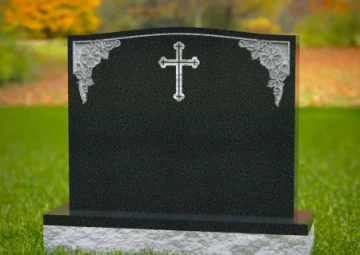
A luxury custom granite monument draws its value from the quality of materials, the refinement of finishing and the depth of personalization — factors that together preserve clarity and durability. Granite varieties differ in porosity, grain and how well they take a polish; those properties influence how letters and sculptural reliefs weather outdoors. Craft elevates meaning through hand carving, precise 3D modelling and polished finishing that give a memorial visual depth and a tactile presence. Luxury designs also plan for maintenance and cemetery rules, choosing details that keep inscriptions readable and family narrative intact over decades. Below we compare common granite types to help you choose the right stone for a premium cemetery monument.
This table compares granite varieties favoured for high-end monuments and their practical trade-offs.
Granite Type | Durability | Finish & Colour Options |
|---|
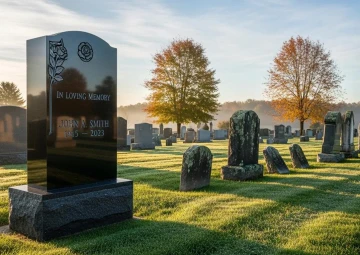
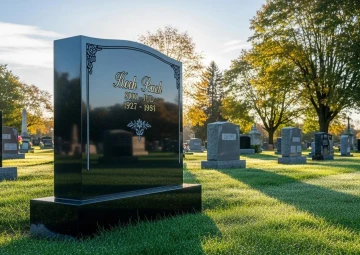
Black Granite | Very high — low porosity and strong stain resistance | Polishes to a near‑mirror finish; classic look with excellent contrast for engraving |
Blue-Gray Granite | High — good resistance to weathering | Satin to polished finishes; subtle veining adds depth |
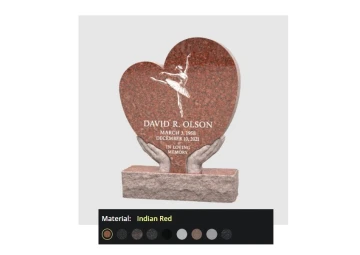
Red Granite | High — durable and visually distinctive | Warm tones available in polished or honed surfaces |
Light Grey Granite | Good — can age gracefully in temperate climates | Honed or textured finishes for a more rustic, natural appearance |
This comparison shows how the right granite balances aesthetics with long-term preservation, helping families select a material suited to both their legacy aims and local conditions.
Premium memorial materials prioritise low porosity, freeze–thaw resistance and the capacity to receive fine carving or etching. Granite, bronze and engineered stone are the principal options. Granite is the most common luxury choice — some grades resist Irish weather exceptionally well and support high‑contrast engraving and detailed hand carving. Bronze is valued for plaques and sculptural elements: it’s strong, ages to a dignified patina and pairs beautifully with stone bases or inlays. Engineered stones are chosen when a consistent colour or specific finish is required. Each material carries maintenance requirements: granite benefits from gentle cleaning to maintain its polish, while bronze responds well to periodic protective waxing. Understanding these trade-offs helps families prioritise both beauty and longevity when commissioning a bespoke memorial.
Granite: Withstands weathering and holds crisp engraving for generations.
Bronze: Suited to plaques and reliefs; develops a dignified patina over time.
Engineered stone/composites: Useful where consistent colour or special finishes are desired.
These material choices guide selection; the next section explains how artisan techniques transform them into meaningful, long‑lasting memorials.
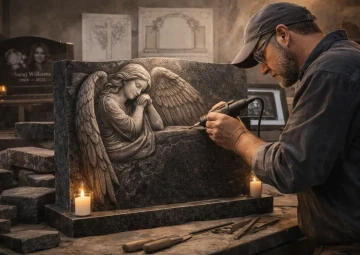
Artisan craft turns raw stone and metal into memorials that speak. Techniques such as hand carving, relief sculpture, precision 3D modelling and laser etching let makers express narrative while ensuring long‑term legibility. Hand carving adds texture and individuality; modern 3D carving and CAD-driven models deliver accurate previews and predictable weathering. Laser etching captures photographic detail that, when sealed correctly, endures for visitors and descendants. Quality control covers material testing, inscription proofs and staged finishing so edges, joins and plinths resist settling and biological growth.
Hand carving creates bespoke character that machines cannot fully replicate.
3D modelling offers families a clear preview and consistent execution.
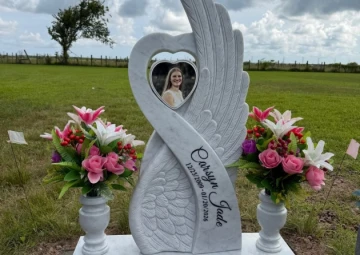
Laser etching preserves photographic likenesses with strong contrast for legibility.
Skilled craftsmanship ensures memorials do more than mark a grave: they tell a life’s story in material form. Next, we look at how personalised design choices preserve family heritage.
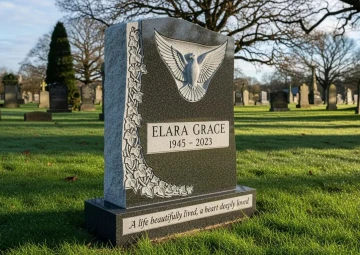
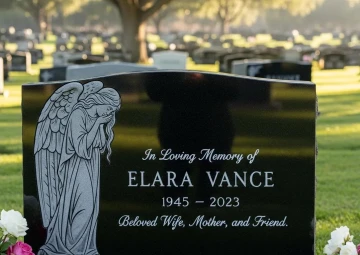
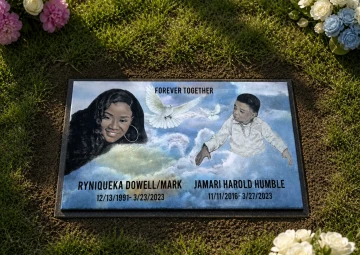
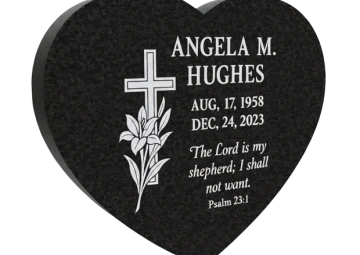
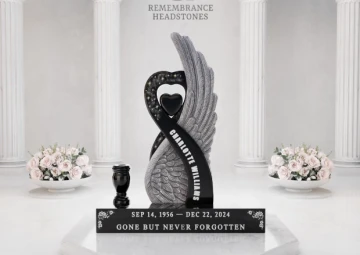
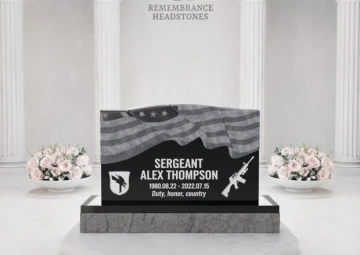
Personalised memorial design turns family stories into inscriptions, symbols and forms that communicate identity across generations. Epitaphs and dates, cultural or religious iconography, and sculptural references — tools, emblems or silhouettes — act as readable cues that descendants can interpret. Thoughtful personalisation also deepens emotional resonance: a well‑chosen epitaph or a family crest carved in relief becomes a mnemonic anchor at commemorations. Designers use prompts such as profession, hobbies, place of origin and values to translate anecdote into lasting design decisions that future kin and genealogists can follow.
Inscriptions and epitaphs that capture a life or guiding principle.
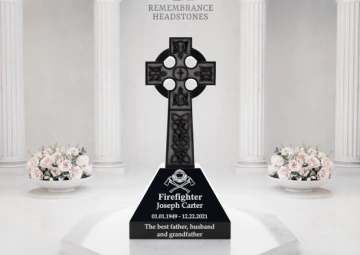
Cultural symbols like Celtic knots, crosses or crests that signal origin.
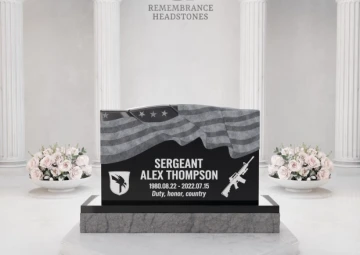
Figurative or occupational imagery that records vocation or passions.
These personalisation choices make memorials meaningful; the following paragraphs outline common inscription and sculptural options families select.
(Integration note: Many families prefer a guided design process to capture subtle details. Remembrance Headstones offers a personalised workflow starting with a Memorial Design Quiz to gather family stories and style preferences, followed by iterative 3D models for approval and final detailing. This structured co‑creation keeps creative control with the family while translating memory into a durable monument.)
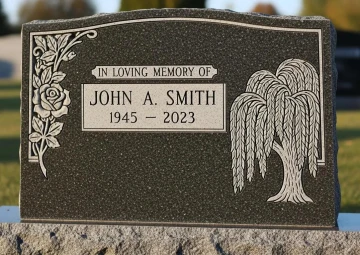
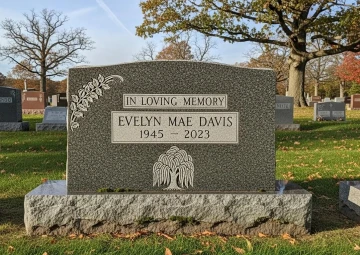
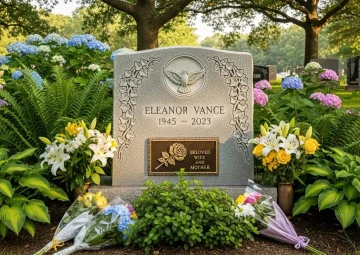
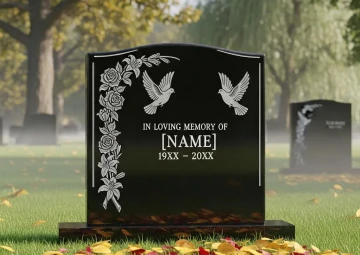
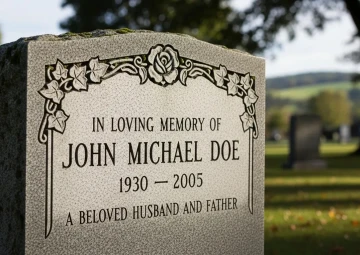
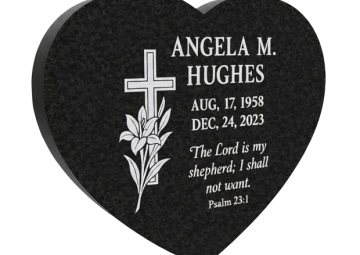
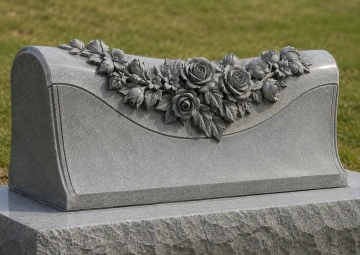
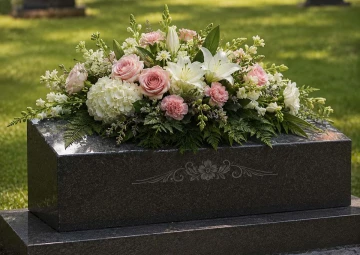
Engravings and inscriptions encode relationships, values and origins into concise text and imagery that future generations can read. Short epitaphs blend tone and meaning — often emphasising love, service or a lived virtue — while longer inscriptions can include lineage notes or brief biographies on multi‑person stones. Motifs such as the Celtic knot signal continuity and ancestry; floral carvings suggest character or seasons of life; religious symbols anchor spiritual tradition. For clarity, keep epitaphs succinct for legibility and place fuller biographies on accompanying digital pages. Below are sample inscription templates families can adapt.
Short epitaph: “Beloved mother — a life of kindness and steady courage.”
Lineage note: “Eileen O’Connor — devoted wife and mother; daughter of L. and M. O’Connor.”
Commemorative phrase: “Her laughter lit our days; her wisdom guides us still.”
These inscription approaches preserve clarity and nuance while helping families decide on layout and future additions; next we explore sculptural and shape choices.
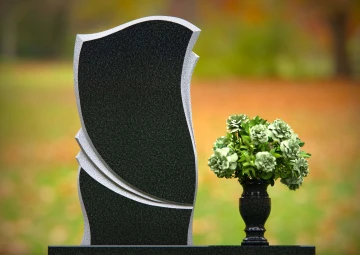
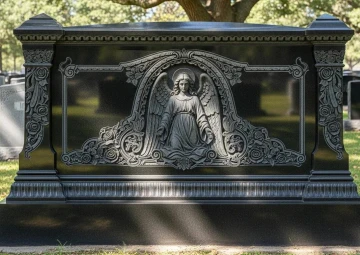
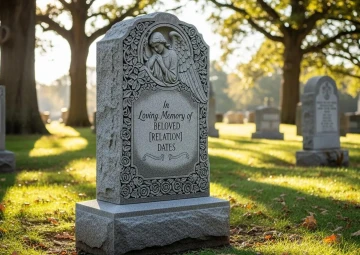
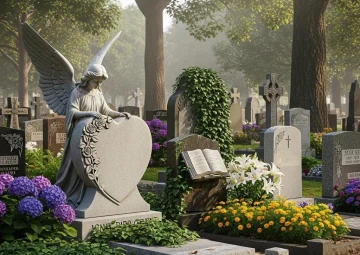
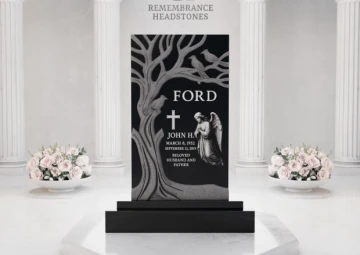
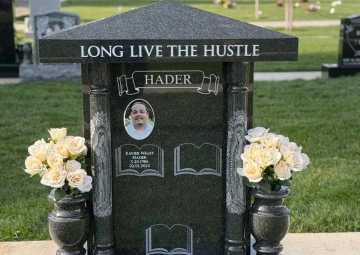
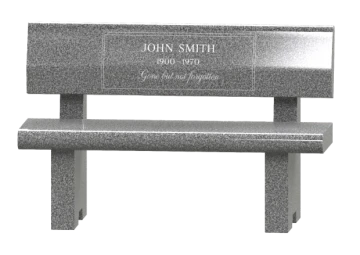
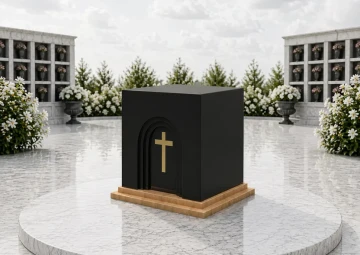
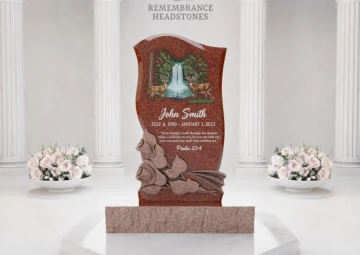
Bespoke shapes and sculptural elements translate symbolic ideas into three‑dimensional forms visitors can see and touch, strengthening memory through presence. Options range from silhouette headstones echoing a loved one’s profile to reliefs of tools or instruments that reference a lifetime’s work — each choice communicates role and identity. Sculptural elements also shape how people use the space: a family monument with ascending tiers or an integrated bench invites gathering and storytelling. When briefing designers, provide concrete prompts — a central motif, the scale relative to the plot, and how you expect people to interact (seating, plaques, etc.). Those prompts help designers turn fragments of story into durable shapes that guide family remembrance for generations.
Figurative sculpture captures likeness and movement.
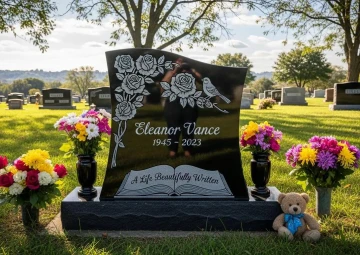
Integrated objects such as carved books or instruments reference vocation.
Shape language (rounded vs angular) signals tone and cultural cues.
Well‑considered sculptural choices make a monument a lasting narrative device and prepare the ground for multi‑person commemoration.
Luxury monuments act as stable reference points for genealogy, family ritual and public memory by pairing material resilience with considered meaning. In stone they become archives: names, dates and inscriptions serve as primary‑source records for future family historians, while symbols and photographs add contextual detail. Multi‑person monuments allow families to present a continuous lineage in a single composition, showing continuity and shared values. Material choices and maintenance plans determine how well that archive remains legible; selecting low‑porosity stone and scheduling periodic conservation helps preserve inscriptions and minimises restoration. The table below compares monument types for legacy‑focused commemoration.
The following comparison helps families weigh monument types for multi‑person legacy use.
Monument Type | Capacity for Multi-Person Commemoration | Maintenance Needs |
|---|
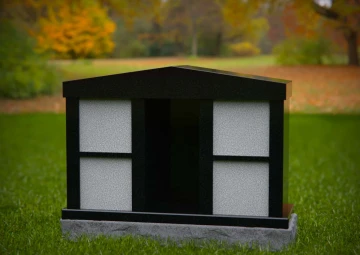
Upright Family Monument | High — a central face designed for multiple names | Moderate — regular cleaning and occasional re‑lettering |
Companion Headstone | Moderate — paired markers for couples | Low to moderate — dependent on base and site |
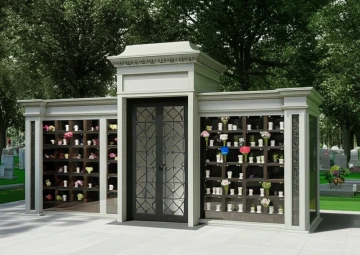
Mausoleum | Very high — internal capacity for many interments | Higher — ongoing structural and environmental maintenance |
Special-shaped Monument | Variable — tailored panels for names and details | Moderate — complex shapes may need specialist care |
This comparison clarifies how form affects function and upkeep, helping you plan plot layout and future additions.
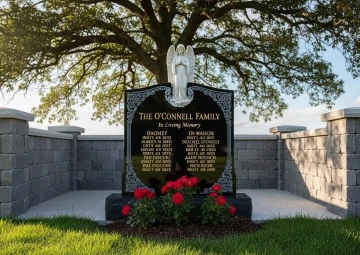
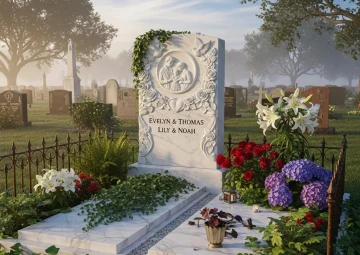
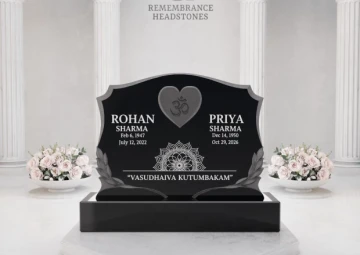
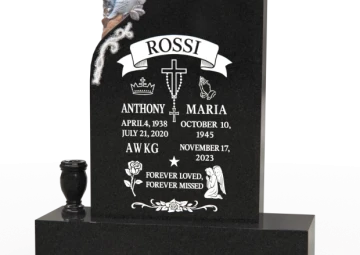
Multi‑person monuments honour generations by arranging names, dates and epitaphs to show relationships while preserving individual identity within a shared design. Strategies include hierarchical layouts (founder placed centrally), consistent typefaces and spacing for visual unity, and separate panels or reserved spaces for future entries. You can choose a shared family epitaph to bind names together or allow individual inscriptions to highlight distinct lives — the choice depends on whether you want the monument to emphasise collective identity or personal remembrance. Include reserve areas for later additions and check cemetery rules on size and wording. Thoughtful planning ensures the monument both commemorates individuals and narrates a family’s arc over time.
Layout options: central plaque with flanking panels, tiered name bands or segmented panels.
Inscription strategies: shared family epitaph versus individual epitaphs per name.
Future-proofing: reserve space and plan for thoughtful expansion in the original design.
These approaches keep the design unified while accommodating new entries, which leads naturally to material choices that preserve legibility.
Durable materials form the backbone of long‑lasting memorials; their properties — porosity, mineral hardness and frost resistance — determine how inscriptions and details survive climate stress. Low‑porosity granite limits moisture ingress and salt damage, reducing freeze–thaw microfracturing common in temperate maritime climates like Ireland’s. Bronze elements benefit from protective coatings to manage patina and reduce corrosion in coastal exposures. Technical attributes such as compressive strength and polish retention predict how clearly letters will read decades on. Regular upkeep — gentle cleaning, removal of biological growth and inspection of joints — complements initial material choices to extend readable life. Considering both materials and maintenance produces a preservation plan that protects your family’s written record for descendants.
Porosity: lower porosity reduces water penetration and biological staining.
Freeze‑thaw resistance: helps prevent microfracture during cold spells.
Surface finish: honed versus polished finishes affect visibility and weathering patterns.
Careful material selection combined with scheduled conservation secures a memorial’s informational and symbolic purpose for generations.
Remembrance Headstones specialises in luxury custom headstones and memorial art created to last, combining artisan design, premium stone selections and integrated digital memorial features to preserve family legacy. Our difference is a family‑centred design process: a Memorial Design Quiz to capture stories and preferences, 3D model previews for approval, confirmation of cemetery policy and professional installation that respects plot requirements. We emphasise durability through careful granite selection and conservation‑aware finishing, and select packages include complimentary QR code integration linking stone to an online memorial page. Flexible financing options help families make this long‑term investment without compromising on materials or craftsmanship. Masterpiece memorial art: bespoke, artisan designs finished with personalised detailing.
Durability & longevity: premium stone choices and conservation‑aware finishes.
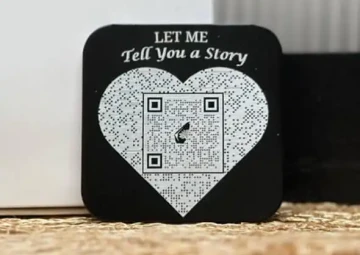
Digital legacy integration: complimentary QR code linking to an online memorial page with select packages.
Our process is family‑centred and transparent, guiding clients from the first conversation through to installation while balancing creativity with practical approvals. It begins with an initial consultation and the Memorial Design Quiz to define style, symbols and priorities. We then prepare 3D models for review so families can approve visual details before production. After design sign‑off, we confirm cemetery policy and permissions to ensure compliance, proceed to production using chosen premium materials and artisan finishing, and complete the project with professional installation and a final site check. We also provide straightforward guidance on basic maintenance. Timelines vary by complexity, and we share clear milestones so families stay informed at every stage.
Consultation & Memorial Design Quiz: capture the family story and preferences.
3D modelling & client approval: visualise and refine the final memorial.
Cemetery confirmation, production & professional installation: complete and place the monument with care.
Flexible financing options allow families to spread the cost of a luxury memorial into manageable payments while keeping craftsmanship and material quality intact. Options include third‑party payment plans and in‑house solutions that may offer interest‑free or extended terms, enabling choices that prioritise lasting materials and artisan features. We explain eligibility and the application steps during the consultation so families can pick a route that suits their budget and timeline. These practical options let you invest thoughtfully in a memorial that will protect family legacy for generations.
Payment plans: spread cost while securing premium materials.
Interest options: include interest‑free alternatives where available.
Application guidance: provided during planning to simplify decisions.
By pairing craftsmanship with accessible financing, families can commission enduring memorials without compromising on meaning or quality.
Choose a provider with proven experience, consistent craftsmanship and a clear range of material options. Look for personalised design services so your family’s story is reflected in the memorial, and check testimonials or project galleries to gauge workmanship. Confirm whether the provider handles installation and cemetery compliance, and ask about maintenance services or advice — a reputable specialist will guide you through design, approvals and installation with clarity and care.
Longevity starts with selecting durable materials such as low‑porosity granite or properly finished bronze, and continues with routine care. Gentle, regular cleaning to remove biological growth, periodic inspections and timely upkeep of bronze coatings will preserve appearance and legibility. Consider professional conservation checks over the decades to address minor issues before they grow — a proactive maintenance plan protects the memorial as a lasting tribute.
Personalisation can include bespoke inscriptions, custom shapes, cultural or religious motifs, photo etchings and sculptural elements that reflect a life’s work or passions. Families can choose shared family wording for unity or individual epitaphs to preserve distinct memories. Thoughtful prompts and designer collaboration turn personal stories into lasting design features that speak to future generations.
Digital features such as QR codes and dedicated memorial pages let families expand on what’s possible in stone: fuller biographies, photos, audio recordings and documents become accessible to visitors and researchers. This hybrid approach preserves depth of narrative, supports genealogy with searchable records and lets families update content over time while the stone remains the permanent, physical anchor.
Multi‑person monuments let families present lineage and shared values within a single, cohesive design, making it easier for future generations to understand family connections. They can be more economical than separate markers and create a unified place for remembrance and gatherings. Thoughtful design keeps individual identities distinct while reinforcing a family narrative.
Maintenance involves regular cleaning, checks for biological growth and inspections for weathering or joint issues. Specific care differs by material: gentle cleaners for granite, protective waxing for bronze and specialist attention for complex shapes. Establishing a simple maintenance schedule and following provider guidance helps keep the memorial in good condition for many years. Many specialists offer maintenance plans or advice to make this easy.
Luxury family memorials combine artisan craft with premium materials to become lasting expressions of heritage. Thoughtful design, careful material selection and planned upkeep ensure those memorials preserve family stories for generations. If you wish to honour a loved one with a durable, personalised tribute, explore our range of luxury options and let us help translate memory into a monument that will stand the test of time.