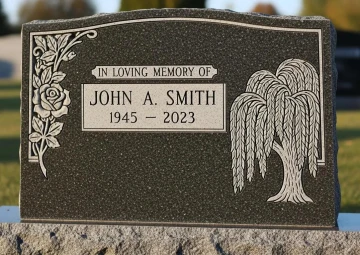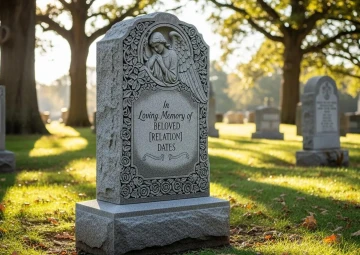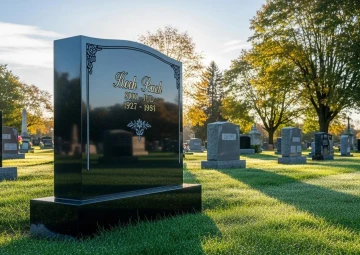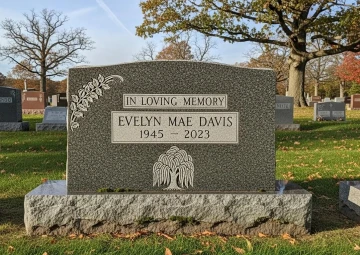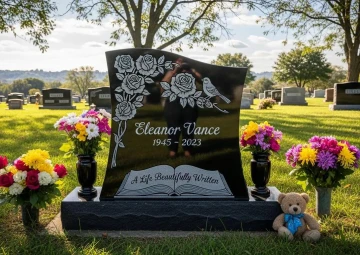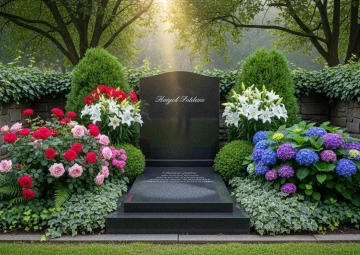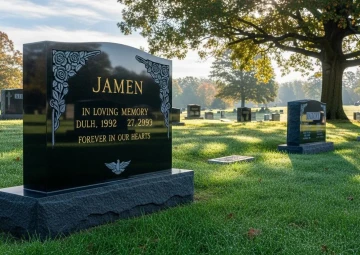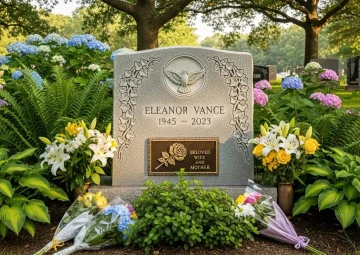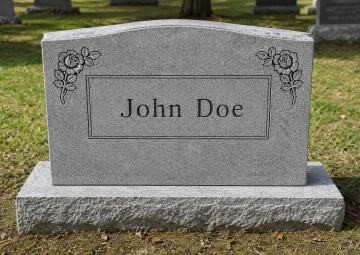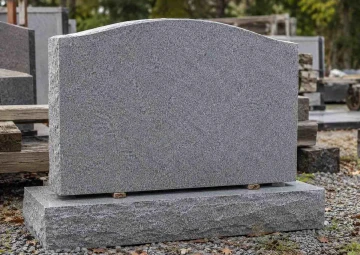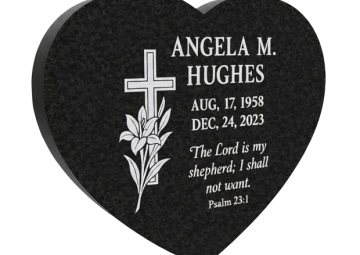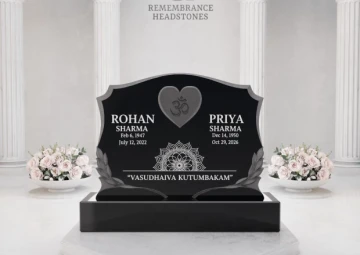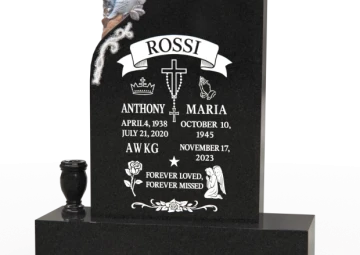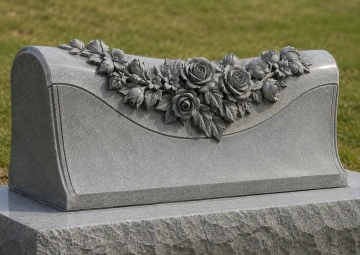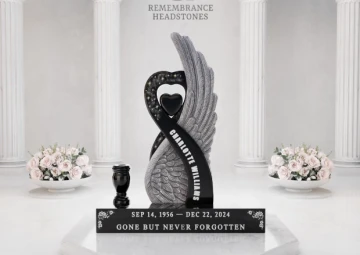
Thoughtful, well‑crafted lettering can lift a headstone from a simple marker to a lasting tribute. This guide explains the lettering styles, engraving methods, and material choices that give luxury headstones their timeless, personal quality. We cover classic and contemporary typography, practical engraving approaches, and how different stones affect appearance and durability—so families can choose details that truly reflect the person they remember. Continue reading to learn what to consider when designing a personalized memorial.
What gives headstone lettering a sense of luxury?
Luxury lettering comes from craft, material and careful attention to detail. In memorial design, type is more than letters—it’s the shape of memory. Luxury is defined by precise, deep engraving, high‑quality stone, and considered ornamentation or custom motifs. Together these choices create a dignified, enduring tribute that visitors feel and remember.
How does typography set a memorial’s tone?
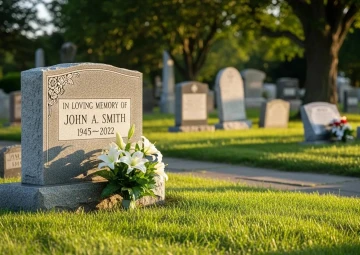
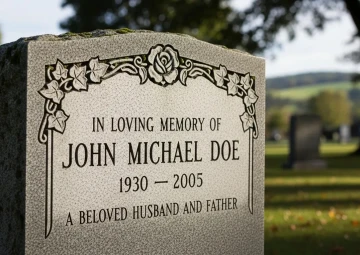
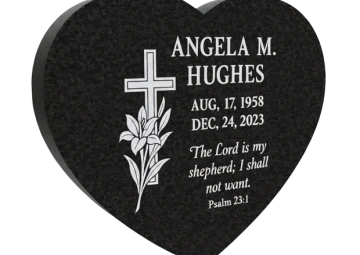
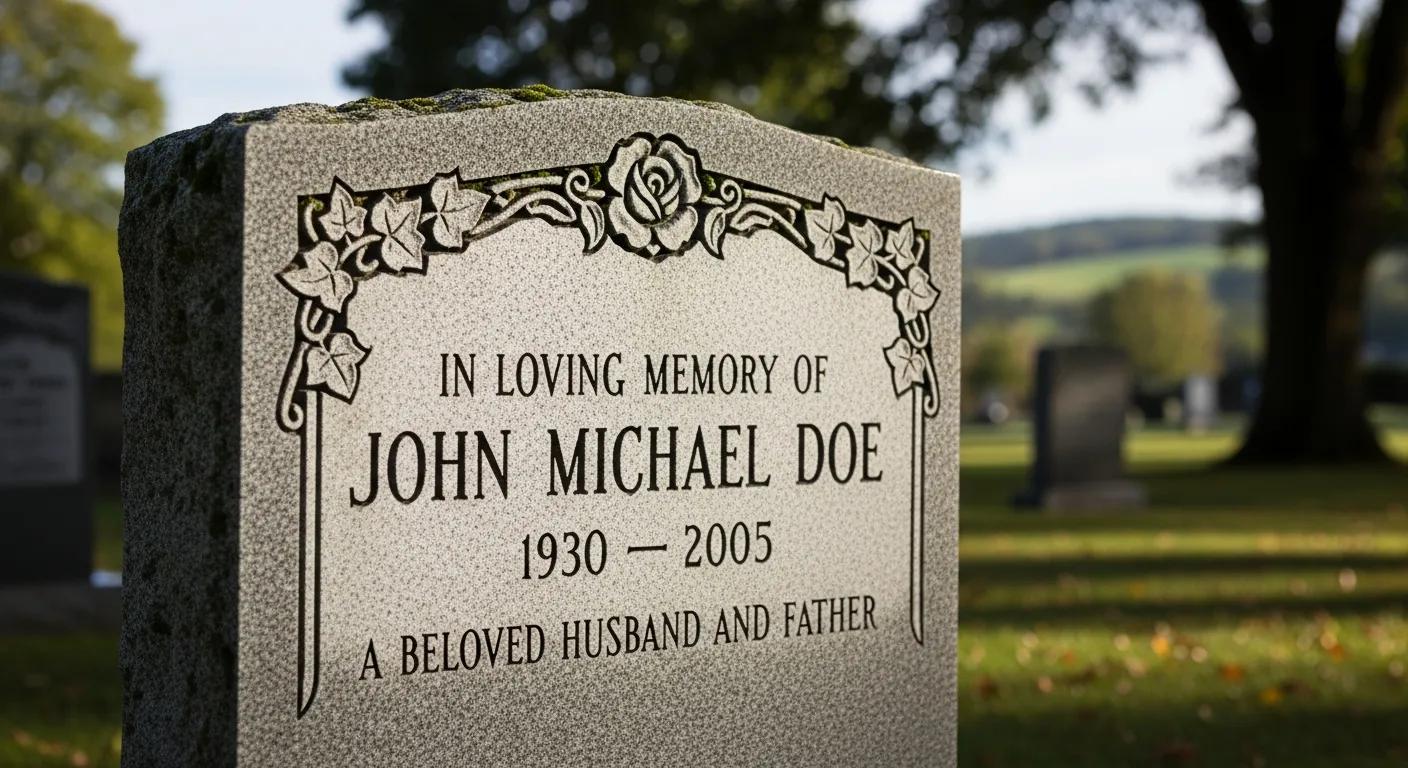
The lettering you choose speaks to who is being remembered. Serif faces often read as traditional and respectful; script faces feel intimate and warm. Typography sets both mood and clarity: it helps tell the story you want the memorial to share while making the inscription readable and meaningful to visitors.
Key features of luxury lettering
Luxury lettering typically shares a few practical and aesthetic traits:
- Depth of engraving: Deeper cuts resist weathering and cast shadows that improve legibility.
- Material quality: Granite, marble and slate each offer distinct textures and lifespans—choosing the right stone matters.
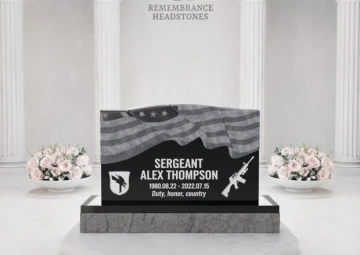
- Design detail: Subtle flourishes, custom emblems or considered spacing make an inscription feel crafted and personal.
When combined, these elements produce a headstone that honors a life and endures for generations.
Timeless lettering styles that endure
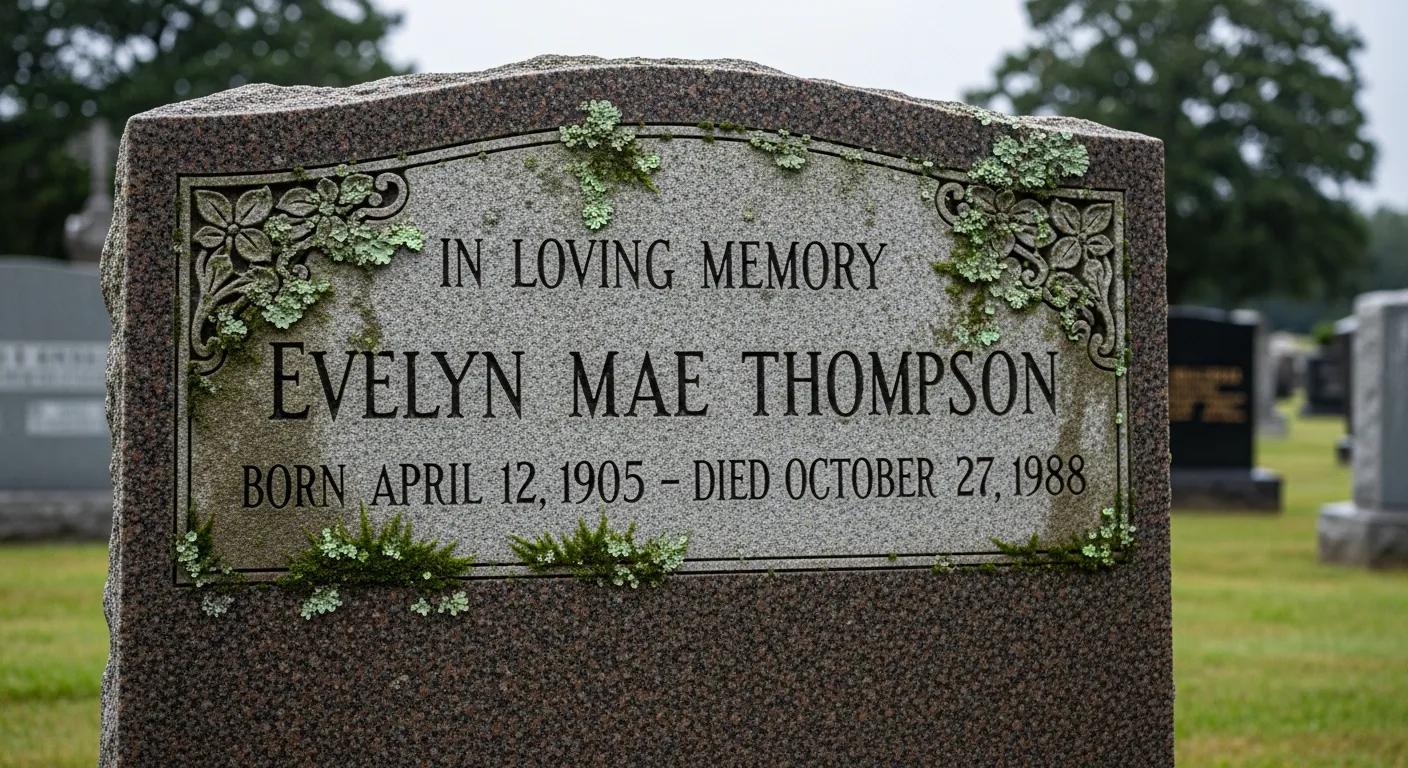
Classic typefaces are trusted for memorials because they convey dignity and clear reading. These styles draw on historical letterforms to deliver a familiar, respectful presence.
Serif fonts: readable, refined, familiar
Serif faces include small strokes at the ends of letters that guide the eye and aid legibility. They are a common choice for headstones for good reason:
- Readability: Serifs help letters stay clear at a distance and with time.
- Refined appearance: Their traditional shapes lend a sense of grace and permanence.
- Examples: Options such as Times New Roman and Garamond are often chosen for their formal, respectful tone.
Gothic fonts: historic, dramatic, memorable
Gothic or blackletter styles bring a strong historic character. Their ornate shapes can make a powerful statement and suit memorials that emphasize legacy or heritage.
- Historic roots: Associated with medieval inscriptions and formal records.
- Striking presence: Intricate letterforms give weight and visual distinction.
- When to use: Best for memorials seeking a dramatic, heritage‑driven look.
Modern typography for contemporary memorials
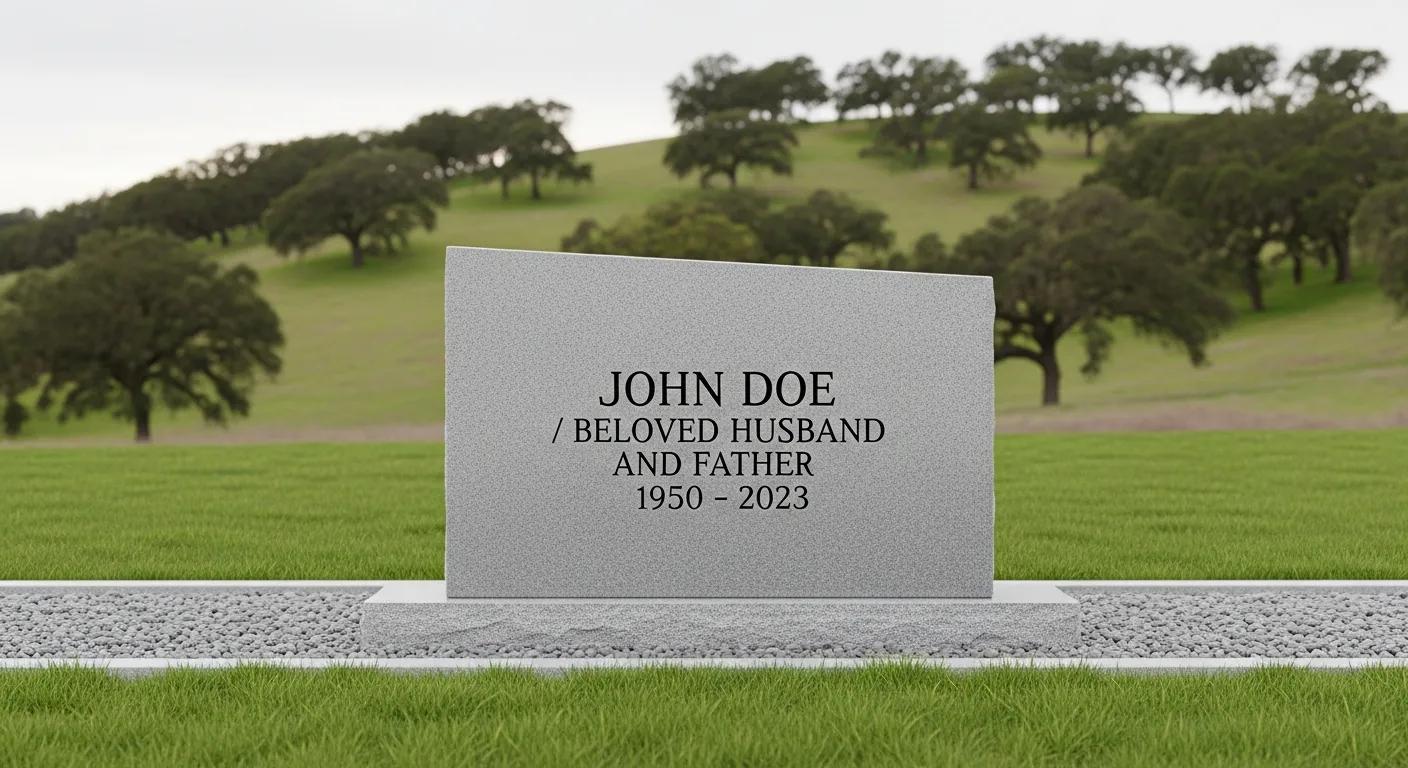
Contemporary memorials often use clean, simple type to reflect modern tastes—an understated option for families who prefer quiet elegance.
Sans-serif fonts: clean, clear, modern
Sans‑serif faces omit the small end strokes for a straightforward look. They work well when clarity and a modern aesthetic are priorities.
- Clarity: Clean shapes make lettering easy to read in varied light.
- Contemporary tone: Sans‑serifs feel simple, refined and current.
- Examples: Arial and Helvetica are common choices for their approachable, legible lines.
Script fonts: graceful, intimate, personal
Script styles echo handwriting and bring warmth to an inscription. Used thoughtfully, they add a softer, more personal voice.
- Personal touch: Flowing letterforms convey warmth and individuality.
- Emotional resonance: Scripts can feel affectionate, giving the inscription an intimate tone.
- Examples: Brush Script and Edwardian Script offer a handwritten look where legibility permits.
Engraving techniques that reflect craftsmanship
How letters are carved matters as much as the type itself. Skilled techniques preserve clarity and communicate care.
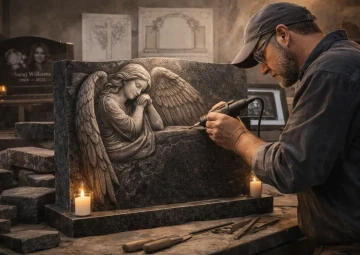
Hand‑carved lettering: a mark of true artisanship
Hand carving is a time‑honored approach that brings a human touch to every letter. It’s valued for its character and precision:
- Artisan skill: Each inscription is shaped by a craftsman, allowing subtle variations and a bespoke finish.
- How it’s done: Traditional tools—chisels, mallets or fine‑point implements—are used to form deep, lasting cuts.
- Distinct qualities: Hand‑carved letters often show fine details and a finish machines cannot fully reproduce.
The long tradition of letter carving and community workshops keeps these skills alive across generations.
Hand‑Carved Headstone Inscriptions: Artisanal Skill & Memorial Arts
Each hand‑carved inscription reflects years of practice. Organizations such as the Memorial Arts Charity run short letter‑carving courses to pass these skills on to new artisans.
V‑sunk and raised lettering: depth, light and presence
V‑sunk and raised lettering create dimensional effects in different ways—one cuts into the stone, the other brings letters forward.
- Visual effect: V‑sunk cuts form shadowed grooves; raised letters sit above the surface for strong contrast.
- Choosing between them: Your choice depends on style, stone type and how you want the inscription to read at a glance.
- Longevity: Both methods, when done well, preserve legibility for many years.
Advances in tools and materials over time have shaped how dimensional lettering is made and refined.
Granite Headstone Engraving: Techniques for Raised Lettering
The arrival of pneumatic chisels eased shaping in granite and helped craftsmen produce raised letters more efficiently. Practitioners note how these methods evolved as tools improved.
How materials influence lettering and longevity
The stone you choose affects which letter styles will look best and last longest. Color, grain and finish all change how letters appear on the surface.
Knowing the common stone types, available finishes and their durability is essential when selecting a material for a lasting memorial.
Headstone Stone Types, Finishes & Durability
Dimension stone types are described across common classes—granite, marble and slate—alongside commercial and geological definitions. The overview also covers finishing methods applied to exposed surfaces to achieve desired appearance and performance characteristics. Durability is considered, with attention to the main traits and uses of these construction materials.
Granite colors and finishes that highlight lettering
Granite is prized for durability and a wide range of tones. Keep these points in mind when choosing:
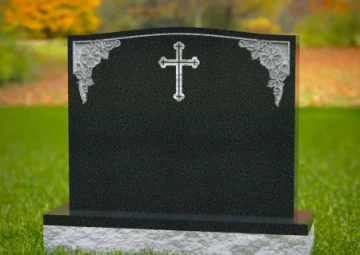
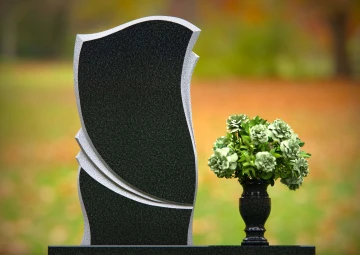
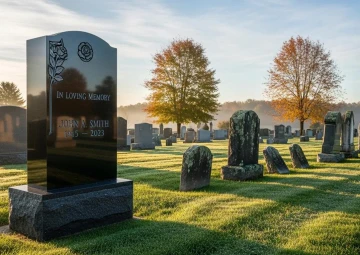
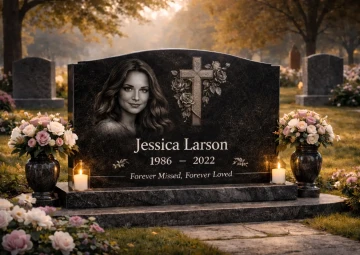
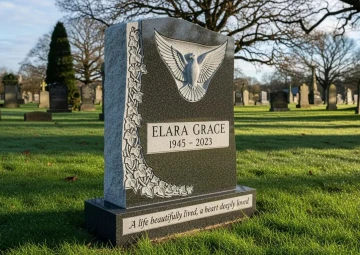
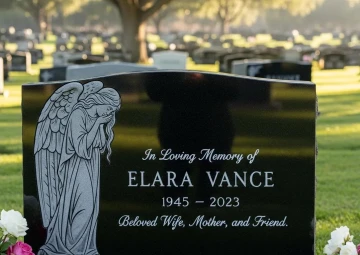
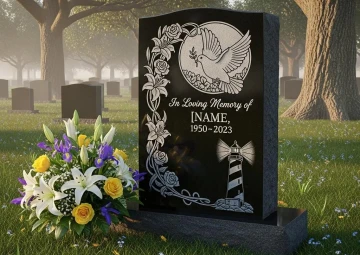
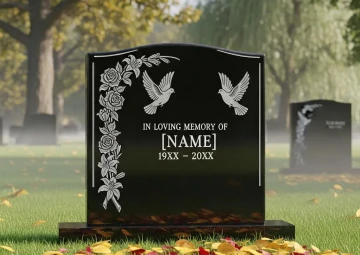
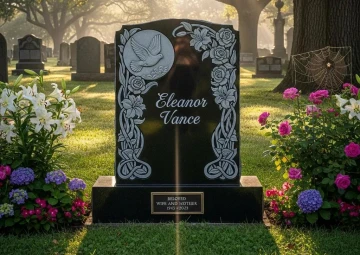
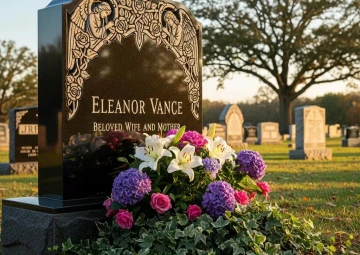
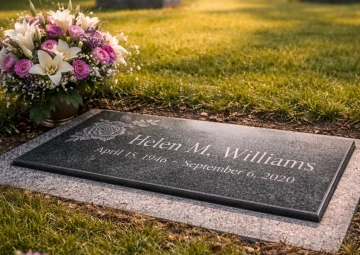
- Color choices: Dark stones—deep gray or black—offer strong contrast for light‑painted or polished lettering.
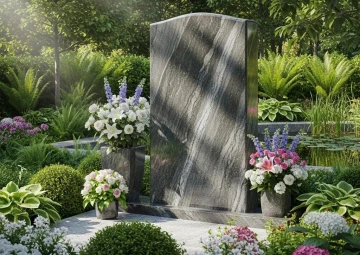
- Finish options: Polished surfaces catch light and emphasize color; honed or matte finishes provide a softer, more muted look.
- Visual outcome: The combination of color and finish sets the memorial’s mood—pick the option that best reflects your intention.
Matching materials to engraving methods
Certain materials suit some engraving styles better than others. Keep these considerations in mind:
- Material suitability: Hard stones like granite take deep carving well; softer stones such as marble are better for shallower, delicate work.
- Technique fit: Choose the stone that works with your chosen lettering method to preserve clarity and durability.
- Longevity: The right combination of stone and technique helps inscriptions remain legible as weather and time act on the surface.
How to begin designing your luxury headstone lettering
Designing a headstone is a step‑by‑step process—from selecting shape and stone to choosing font and finish. Taking time to preview options helps ensure the final memorial feels right.
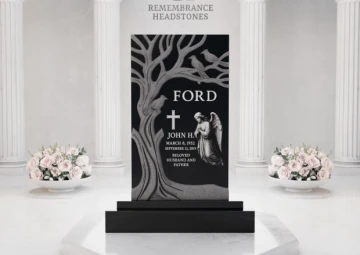
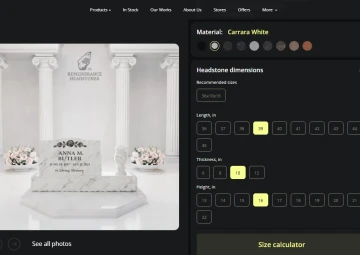
Personalized design tools from Remembrance Headstones
Remembrance Headstones provides online design tools and guidance to help families visualize and refine a memorial. These resources include:
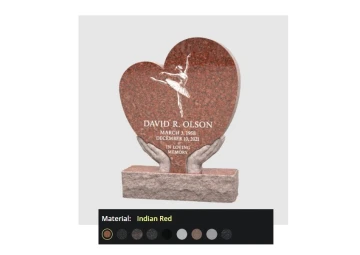
- Tool features: Interactive tools let you try fonts, layouts and materials before you decide.
- Why it helps: Previewing options reduces uncertainty and shows how choices work together in real time.
- Customization: From font selection to emblem placement, the tools support detailed personalization so the result feels true to the life you remember.
Financing options that make personalization possible
We know cost matters. Remembrance Headstones offers flexible payment plans so families can choose higher‑quality materials or added personalization without undue strain.
- Payment flexibility: Multiple plans let families spread costs while investing in a lasting memorial.
- Design impact: Financing can open options for deeper engraving, premium stone or custom artwork.
- Accessibility: These plans aim to make meaningful memorials attainable for more families.
| Engraving Technique | Description | Advantages |
|---|---|---|
| Hand‑Carved Lettering | Shaped by skilled craftsmen using traditional tools | Distinctive, bespoke finish |
| V‑Sunk Lettering | Cut into the stone to form precise, shadowed channels | Strong depth and shadow for long‑term legibility |
| Raised Lettering | Letters stand proud of the stone surface | High visibility and visual impact |
Careful lettering and typography are central to a meaningful memorial. By combining the right font, engraving method and material, families can create headstones that honor a life with dignity and clarity. Whether you prefer traditional forms or a modern, understated look, skilled craftsmanship helps each memorial endure and comfort those who visit.
Frequently Asked Questions
Which engraving techniques work best with different stone types?
Some engraving techniques suit specific stones better. For example, hand‑carved lettering is well suited to hard stones like granite because it allows deep, precise cuts. Softer stones such as marble are better for shallower, more delicate engraving. Matching the stone and the technique is important for long‑term clarity and durability.
Can I add personal symbols or images to a headstone?
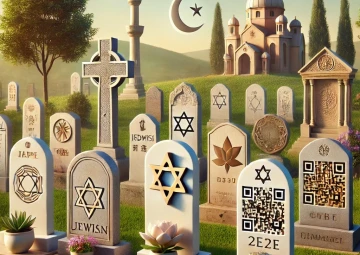
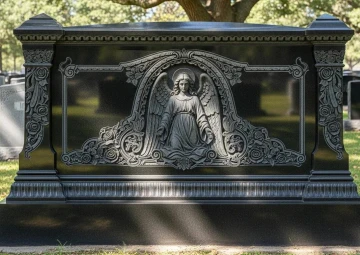
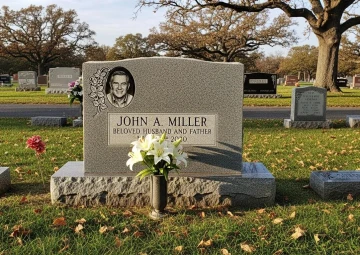
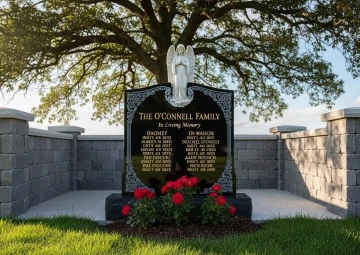
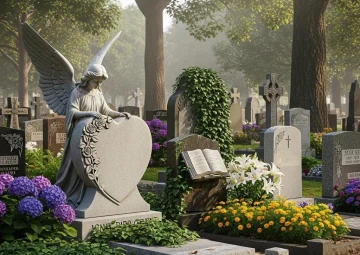
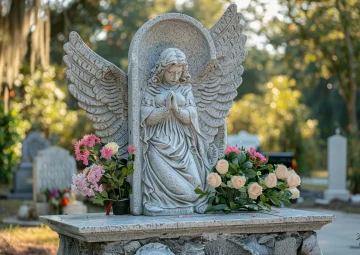
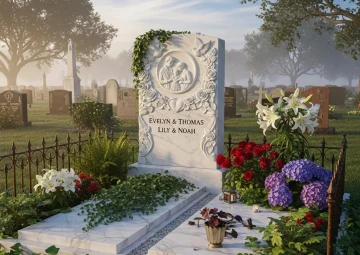
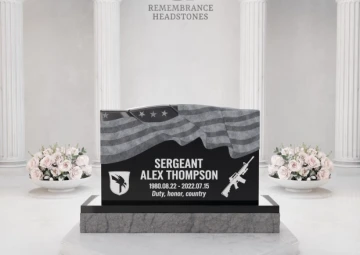
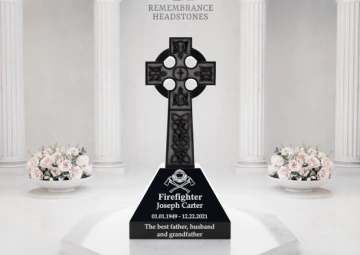
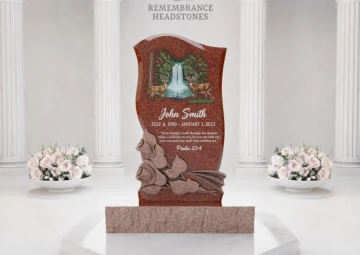
Yes. Personal symbols, emblems or images are a meaningful way to reflect a life. Many memorial providers offer custom motifs—religious icons, hobby symbols or personal artwork—that deepen the memorial’s connection and make the tribute unique.
What does luxury headstone lettering typically cost?
Costs vary with stone type, engraving method and design complexity. Families can expect a wide range—typically from several hundred to several thousand dollars. Custom motifs, deep carving and premium materials raise the cost. Talk with our team about your budget so we can suggest options that balance value and meaning.
How can I make sure the lettering is legible from a distance?
Choose a clear font—serif or sans‑serif—appropriate letter size and high contrast between stone color and lettering finish. Deeper engraving methods like V‑sunk or raised lettering also improve visibility. Reviewing designs in different lighting helps confirm readability before production.
What maintenance does headstone lettering require?
Regular, gentle cleaning prevents dirt, moss or lichen from obscuring inscriptions. Use a soft brush, mild soap and water—avoid harsh chemicals that can harm the stone. Inspect lettering periodically, especially after severe weather. Proper care helps preserve clarity for years.
Are there environmentally friendly headstone options?
Yes. There are eco‑friendly choices, including headstones made from reclaimed or sustainably sourced natural stone and biodegradable memorial options. Some manufacturers also use lower‑impact quarrying practices. Ask about environmental considerations when choosing materials and processes.
What should I consider when choosing a lettering style?
Think about the personality of the person you’re remembering, how the font reads from a distance, and how the lettering pairs with the stone’s color and finish. Also consider long‑term legibility—some styles and techniques wear better than others. Choose a style that feels true to the individual while remaining practical for the setting.
Do cemeteries have rules about headstone lettering?
Yes. Many cemeteries set standards for letter size, placement and sometimes font choice to maintain a respectful, orderly appearance. Before finalizing a design, check with cemetery management to confirm any requirements so installation proceeds smoothly.
How can I ensure the lettering will last?
Pick a durable stone such as granite, choose deeper engraving methods like hand‑carving or V‑sunk cuts, and select a finish that resists weathering. Regular, gentle maintenance also helps preserve clarity over time.
What are the benefits of custom motifs and designs?
Custom motifs—symbols, emblems or personal artwork—add meaning and tell a story about the person’s life. They make the memorial unique and give visitors a point of connection beyond names and dates.
How do I choose the right material on a budget?
Compare upfront cost with long‑term durability. Granite is often the most durable choice, while marble or slate can be less expensive but may need more upkeep. Ask about financing or payment plans to spread costs while still choosing a lasting material.
How much does color influence the headstone design?
Color shapes mood and contrast. Darker stones provide strong contrast for light lettering and enhance readability; lighter stones offer a softer, peaceful tone. Select a color that matches the memorial’s intended feeling and works with your chosen lettering style.
Conclusion
Carefully chosen lettering, matched with the right stone and engraving technique, creates memorials that are both beautiful and personal. Understanding the available styles and materials helps you make decisions with confidence. When you’re ready, explore our design tools and speak with our team—we’ll help you create a tribute that truly reflects the life it honors.