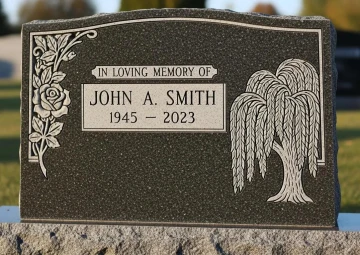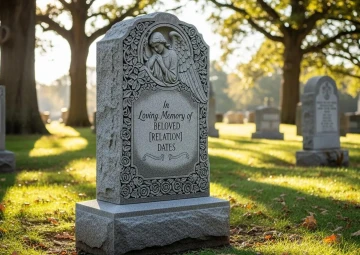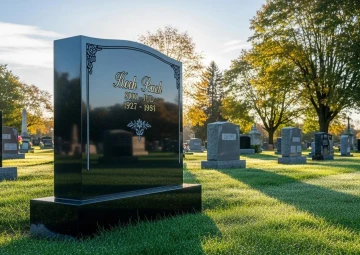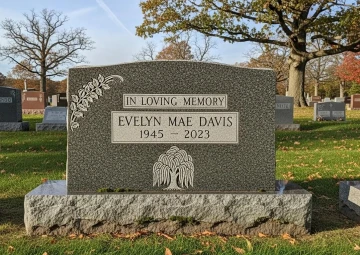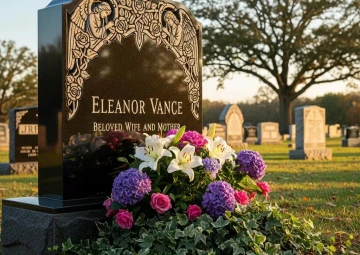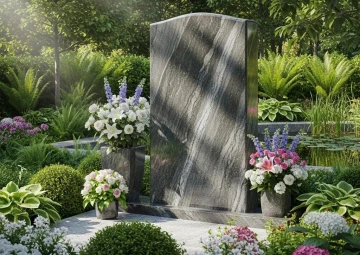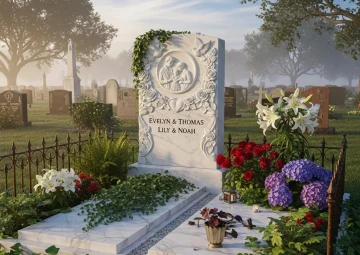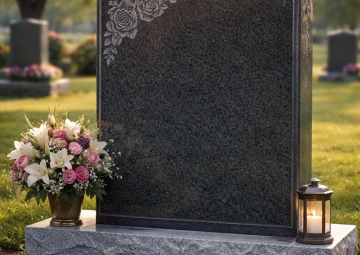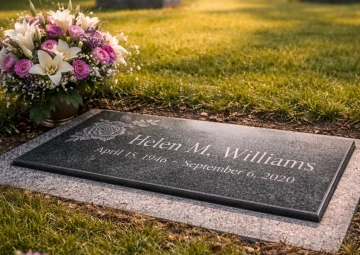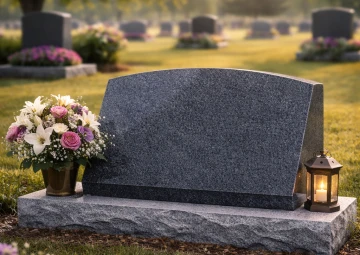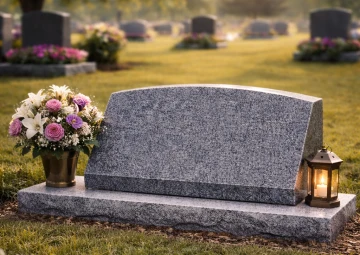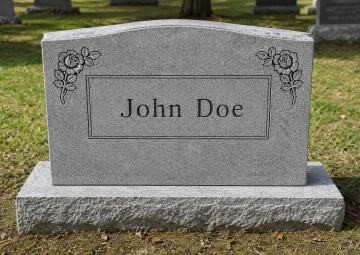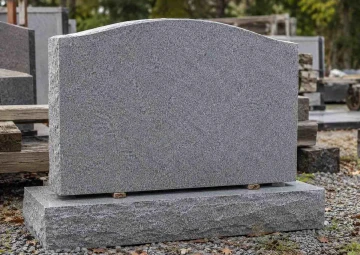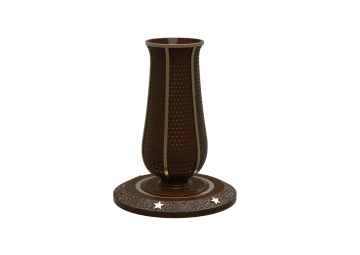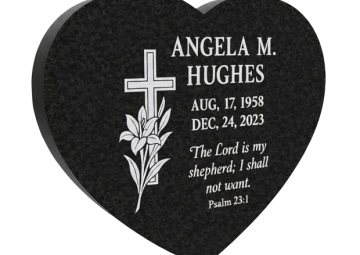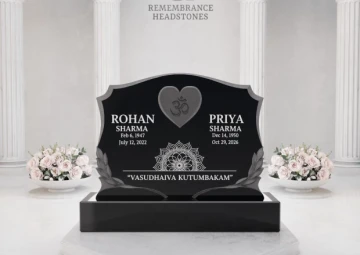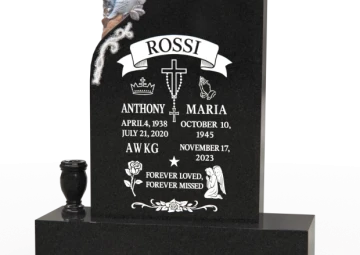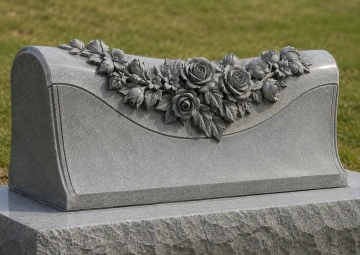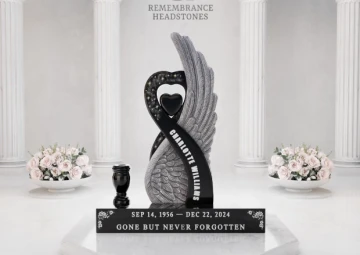
Including religious and cultural elements in a luxury memorial is a meaningful way to honor a life and the beliefs that mattered most. This guide walks through how those elements can be integrated into faith-based custom grave markers, helping families create a tribute that reflects heritage, faith, and personality. You’ll find practical guidance on common symbols, cultural influences, material choices, and personalization options so each memorial is both personal and enduring.
What are the most common religious symbols used in luxury headstone designs?
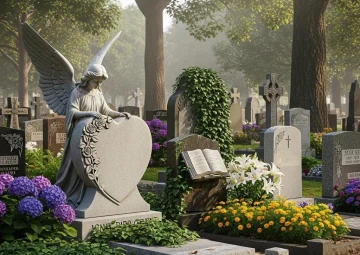
Religious symbols shape both the appearance and the meaning of a luxury headstone. They serve as visible expressions of belief—offering comfort and continuity to those who visit. Understanding their meanings helps families select symbols that truly honour their loved one.
Which Christian symbols are popular in memorial art?

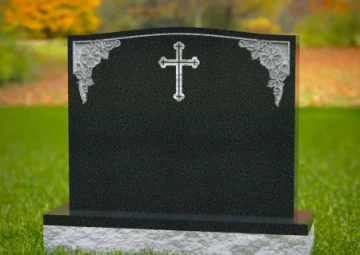
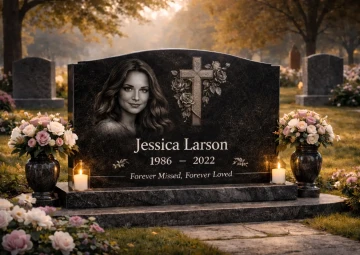
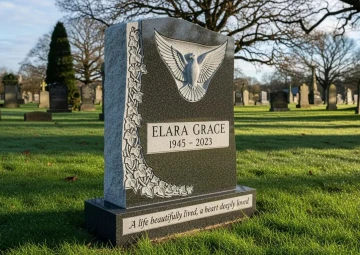
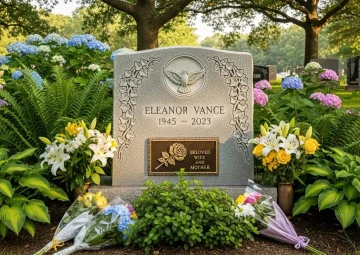
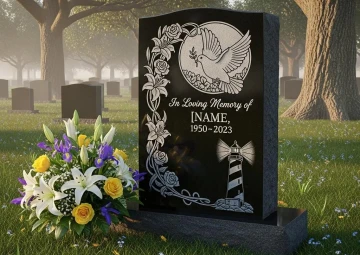
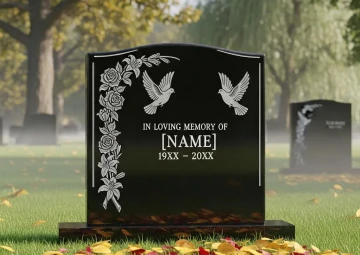
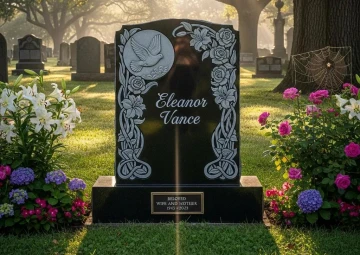
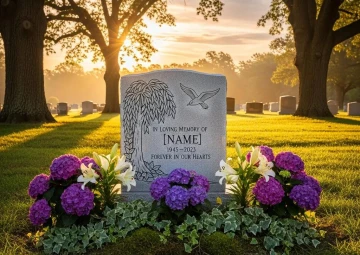
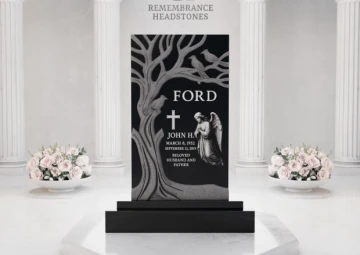
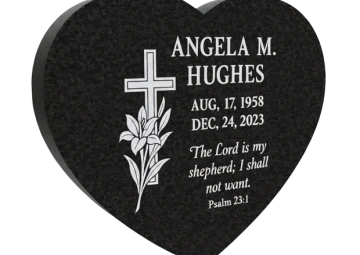
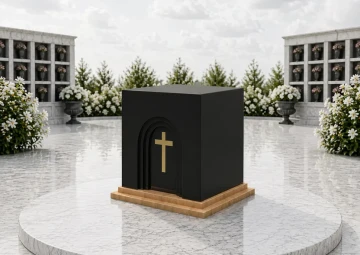
Christian imagery appears frequently in memorial art. The Cross symbolizes sacrifice and hope, while the Dove often represents peace and the Holy Spirit. These motifs are usually carved or engraved with care so they remain clear and meaningful for generations.
What Islamic symbols and calligraphy are featured in grave markers?
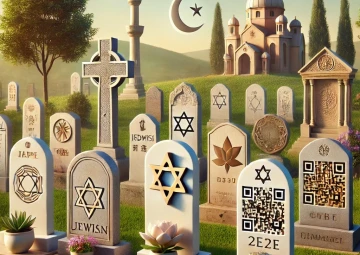
Islamic headstones commonly include the Crescent and Star and feature carefully rendered Arabic calligraphy. Short verses from the Quran or brief prayers are often inscribed as an expression of faith and comfort. Thoughtful lettering and balanced composition keep these inscriptions both reverent and durable.
Scholarly studies of Islamic art show how faith and cultural identity are expressed through architectural and artistic choices—principles that also inform memorial design.
Cultural & Religious Identity in Memorial Art & Architecture
Art and architecture reflect cultural and religious identity. For example, Indian Islamic monuments from the Mughal era illustrate how religious values and cultural forms are carved into stone. Looking at these works helps us see how faith, symbols, and aesthetics form a shared visual language.
How do cultural traditions influence custom memorial stones?
Cultural customs influence both the look and the meaning of memorial stones. Different traditions bring distinct motifs, inscriptions, and design priorities—and honoring those practices creates a memorial that resonates with family and community.
What are key Jewish headstone designs and their meanings?
Jewish headstones often feature the Star of David, Hebrew inscriptions, and sometimes symbols that reflect the deceased’s role or life. Hebrew text typically records names, dates, and short blessings or prayers—linking the stone to long-standing Jewish rituals and remembrance customs.
How do Celtic, Asian, and African American traditions shape memorial art?

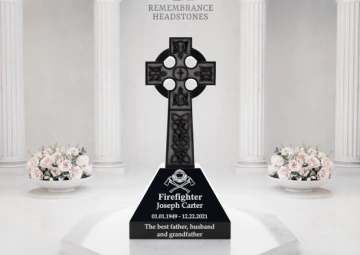
Cultural traditions bring distinctive forms and meanings. Celtic art favors knotwork and crosses to suggest eternity and connection. Asian motifs—like the lotus—often signify purity and spiritual growth. African American memorials frequently honor heritage, resilience, and community through symbols and phrases that tell a broader story of the person’s life.
What materials and craftsmanship define luxury religious monuments?
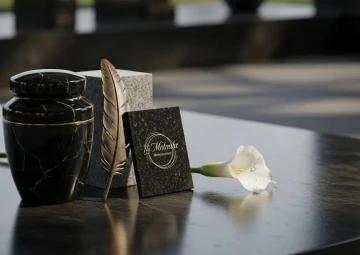
The material you choose and the artisan’s skill determine a luxury religious monument’s appearance and longevity. Families select materials for durability, finish, and how well they accept carving, color, or metalwork.
Why is premium granite preferred for custom faith-based memorials?
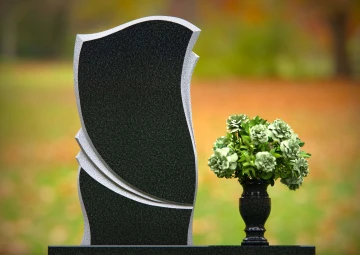
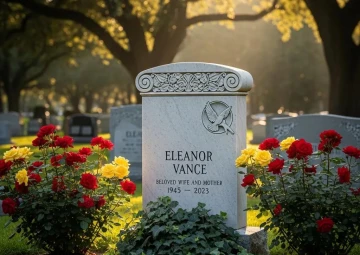
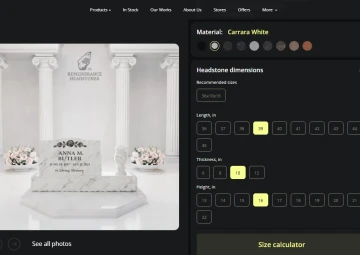
Premium granite is a popular choice because it’s durable and available in a range of colors and finishes. It resists weathering, keeping inscriptions and fine details readable for decades—making it a practical, beautiful option for faith-based memorials.
How are hand-carved religious symbols and artistic details created?
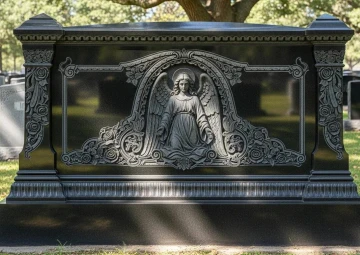
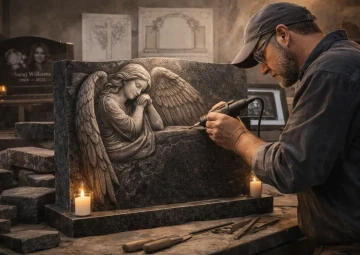
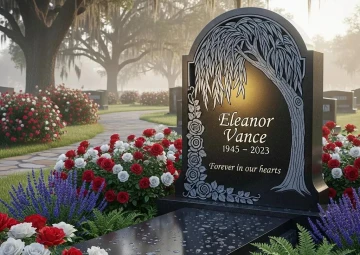
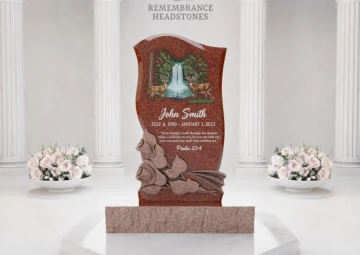
Skilled artisans blend traditional carving, engraving, and contemporary techniques to produce delicate religious symbols and detailed imagery. Hand finishing gives each piece a personal touch while preserving clarity and depth in the design.
How can families personalize spiritual cemetery memorials to honor heritage?
Personalization lets families reflect faith and family history in a lasting way. From inscriptions to decorative elements, choices should echo the life, beliefs, and values of the person being remembered.
What options exist for incorporating religious texts and epitaphs?
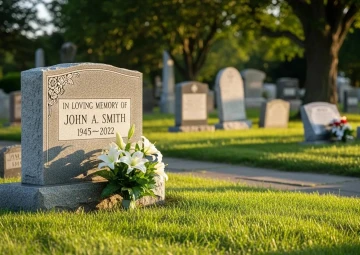
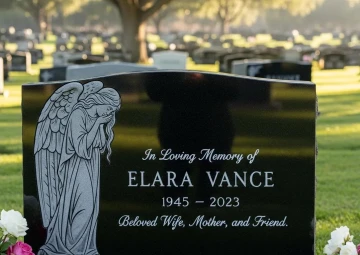
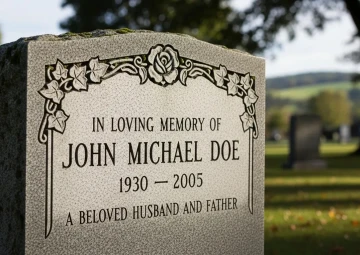
Families may choose passages from sacred texts, brief prayers, or custom epitaphs that capture a loved one’s spirit. We suggest keeping inscriptions concise and heartfelt so they remain readable and timeless.
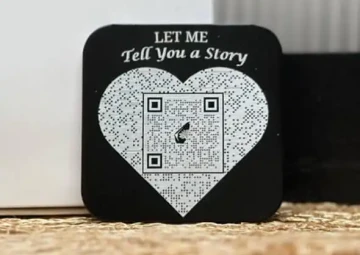
How does QR code integration enhance memorial legacy and storytelling?
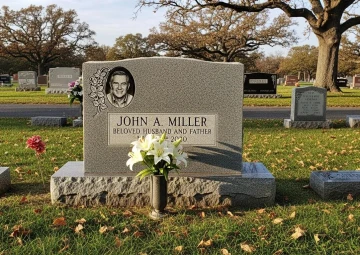
Adding a discreet QR code offers a modern way to extend a memorial’s story. A quick scan can link visitors to photo galleries, recorded memories, or biographical pages—allowing families to share fuller stories while keeping the stone uncluttered.
What are the denominational and regional variations in religious memorial practices?
Religious and regional differences affect symbols, wording, and ritual elements used in memorials. Being mindful of these variations ensures a memorial respects tradition and community expectations.
How do Orthodox Christian and Protestant memorial traditions differ?
Orthodox memorials often include icons, liturgical inscriptions, and more ornate ornamentation, reflecting a sacramental aesthetic. Protestant memorials frequently favor simpler designs that emphasize scripture or a personal tribute—each approach shaped by different liturgical and cultural priorities.
What are the nuances in Ashkenazi and Sephardi Jewish headstone customs?
Ashkenazi and Sephardi customs show regional differences in language, phrasing, and decorative detail. Ashkenazi stones may follow particular inscription styles, while Sephardi traditions can include distinct calligraphic or design choices—knowing these practices helps families honor heritage with care.
How to begin designing a custom luxury memorial with religious and cultural elements?
Designing a custom memorial is a step-by-step process that starts with conversation and ends with a thoughtfully installed tribute. Clear planning and open communication make the experience smoother and more meaningful.
What is the process from consultation to installation at Remembrance Headstones?
At Remembrance Headstones, the process begins with a consultation to discuss faith, style, and practical needs. We guide families through material selection, design sketches, and final approvals. Once crafted, the memorial is installed with attention to site requirements and long-term durability.
What financing and support options are available for personalized memorials?
We offer flexible payment plans and can discuss support resources to help families manage costs. Our team is here to explain options so you can create a meaningful memorial without undue financial strain.
The table below summarizes common materials used in luxury memorials and the advantages each provides.
| Material | Attribute | Benefit |
|---|---|---|
| Premium Granite | Durability | Resists weathering and preserves carved details |
| Marble | Aesthetic Appeal | Provides a timeless, elegant appearance |
| Bronze | Customization | Enables fine relief work and durable inscriptions |
Remembrance Headstones offers several personalization choices for families:
- Religious Texts: Choose verses or prayers to be carved or cast on the memorial.
- Custom Epitaphs: Add a short, personal line that honors the individual’s life and values.
- QR Code Integration: Link to digital tributes—photo galleries, video, or stories—accessible to visitors.
These options help ensure every memorial is a distinctive, heartfelt tribute.
Frequently Asked Questions
What are the benefits of using premium materials for memorials?
Premium materials like granite, marble, and bronze make the memorial both beautiful and long-lasting. They stand up to the elements and help keep inscriptions and details clear over time. Granite, in particular, offers strength and a wide range of colors; bronze supports fine relief work. Choosing quality materials helps ensure the memorial endures for future generations.
How can I choose the right epitaph for a memorial?
Think about the person’s character, values, and the message you want visitors to take away. Meaningful quotes, brief prayers, or personal sayings work well. Keep the epitaph short and readable—concise wording usually has the most emotional impact. Involving family in the choice helps the epitaph reflect a shared sentiment.
What is the significance of incorporating cultural elements in memorials?
Adding cultural elements honors the deceased’s heritage and beliefs, creating a more personal tribute. Symbols, motifs, and inscriptions tied to cultural traditions convey deep meaning and connect the memorial to community practices. This approach comforts family and friends and makes the memorial a true reflection of the person’s life.
How can families ensure their memorial design is unique?
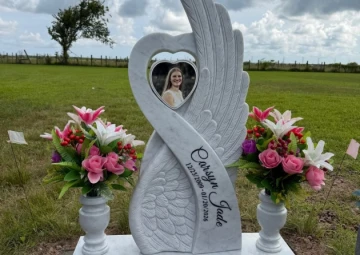
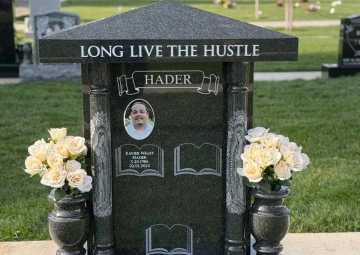
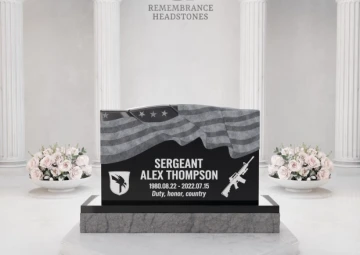
Include personal elements that reflect the deceased’s life—custom shapes, symbols tied to hobbies or professions, or distinctive color choices. Work with experienced artisans who can suggest creative options and fine craftsmanship. Small details, like an engraved motif or a short quote, help make a memorial truly one of a kind.
What are the steps involved in the memorial design process?
The process usually begins with a consultation to discuss faith, style, and budget. Families then select materials and design elements and review sketches before approving the final design. Skilled artisans craft the memorial, and the project concludes with careful installation. Open communication throughout ensures the result matches your vision.
How can families manage the costs associated with custom memorials?
Manage costs by planning ahead and exploring financing options. Many providers offer flexible payment plans to spread expenses. Prioritize the features that matter most and choose materials that balance durability with budget. Discuss available support resources with your memorial provider to find the best path forward.
What should I consider when choosing symbols for a memorial?
Consider the deceased’s faith, cultural background, and personal tastes. Select symbols with clear meaning to family and visitors, and plan their placement so the overall design feels balanced and respectful.
How can I ensure the durability of a custom memorial?
Choose durable materials such as premium granite or bronze and work with experienced artisans for proper carving and installation. Simple, regular maintenance—cleaning and periodic inspections—will help preserve the memorial’s condition.
Are there specific regulations for memorials in cemeteries?
Yes. Cemeteries often impose rules on size, materials, and installation to maintain safety and appearance. Check with cemetery management early in the design process to ensure your plan meets their guidelines.
What role do epitaphs play in memorials?
Epitaphs distill a life, a value, or a message of comfort into a few words. A thoughtfully chosen epitaph gives visitors a way to remember and connect—choose sincere, concise language that will stand the test of time.
How can families incorporate modern technology into memorials?
Modern touches like QR codes let visitors access photos, stories, or audio tributes from their phones. Families may also create digital memorial pages or curated multimedia archives to preserve memories across generations.
What are some unique personalization options for memorials?
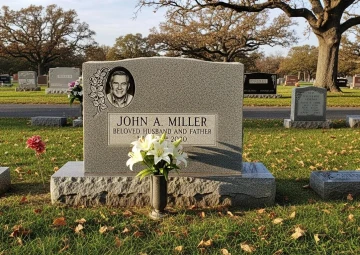
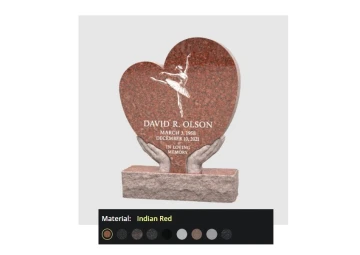
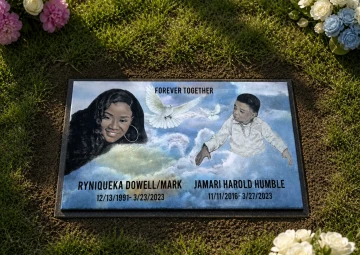
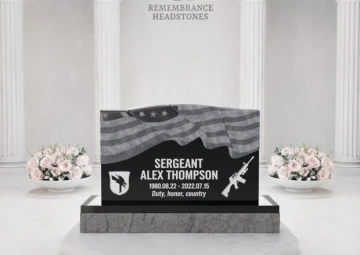
Consider custom shapes, inlaid imagery, symbols tied to hobbies or achievements, and color choices that reflected the person’s taste. Small, personal details—an engraved motif or a short quote—can make a memorial feel uniquely theirs.
Conclusion
Blending religious and cultural elements into a luxury memorial helps families honor belief, heritage, and the singular story of a life. By choosing meaningful symbols, durable materials, and thoughtful personalization, you can create a lasting tribute that comforts visitors and preserves memory. When you’re ready, visit our website to begin designing a memorial that reflects the life you want to remember.