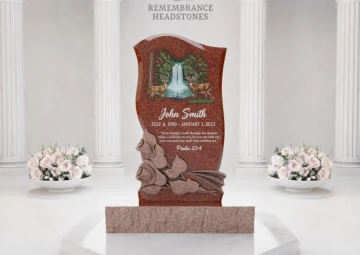
Complying with cemetery rules and legal requirements is essential when arranging a headstone. This guide summarises the key regulations, approval steps, installation standards, material options, personalisation limits, maintenance, and documentation so families can make informed decisions that respect the deceased and meet cemetery requirements.
Cemetery Regulations

Cemetery regulations specify permitted dimensions, materials, and access requirements for headstones. These rules protect the cemetery’s appearance and ensure safety. Confirm rules early in planning, since size limits and other restrictions vary by cemetery; compliance prevents delays and supports a smooth installation.
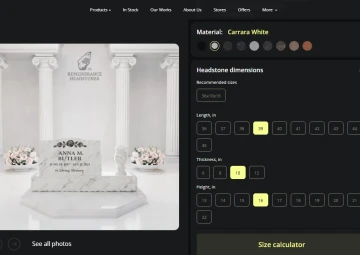
Once you understand local rules, review available memorial products. Remembrance Headstones provides options designed to comply with common cemetery requirements so families can select an appropriate tribute.
Approval Process
The approval process normally requires submitting a permit application to cemetery management along with proof of plot ownership to verify authority to install; timelines vary, so begin well before the intended installation date. Partnering with an experienced memorial provider can expedite approvals and help ensure all documentation is submitted correctly.
Installation Requirements

Professional installation ensures stability and regulatory compliance. Cemeteries often specify anchoring methods and require a prepared foundation to prevent shifting; use a qualified installer familiar with local standards to meet all requirements.
Material Choices
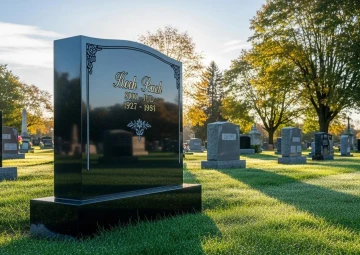
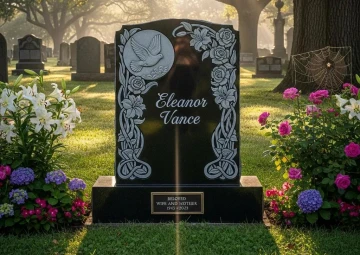
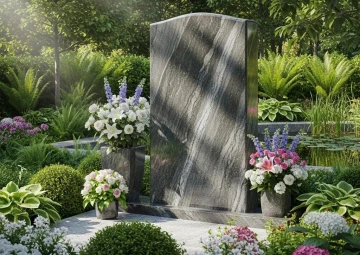
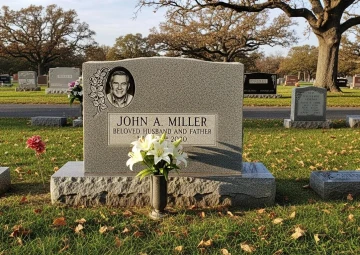
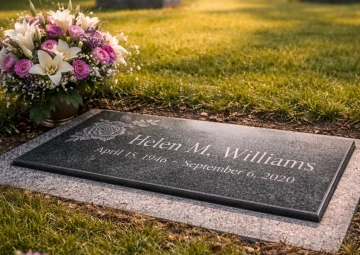
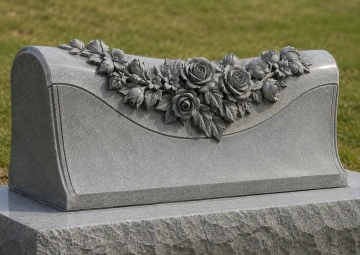
Select materials for durability and appearance. Common choices include granite, bronze, and marble, each with different characteristics. Some cemeteries restrict softer stones or particular finishes, so check guidelines before finalising a selection. Material choice affects longevity and the memorial’s visual fit within the cemetery.
Personalization Options
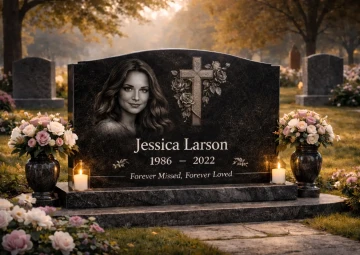
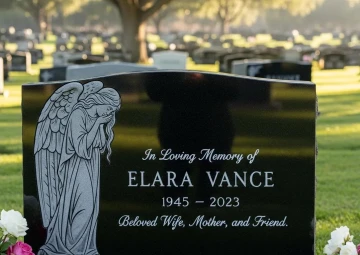
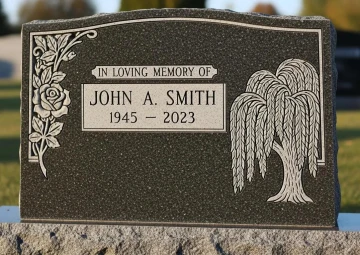
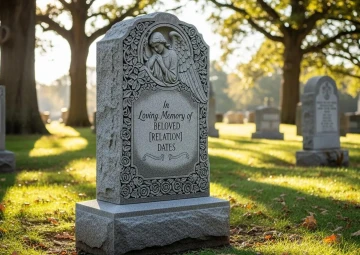
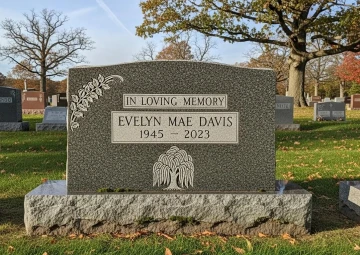
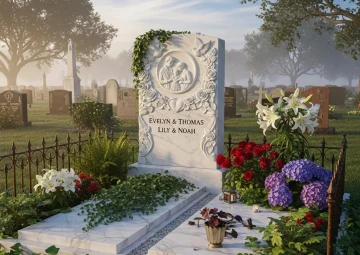
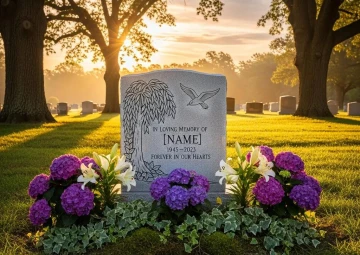
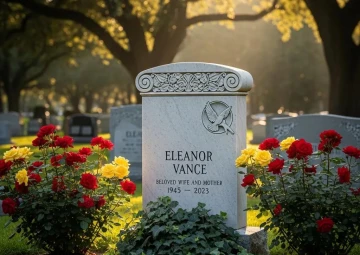
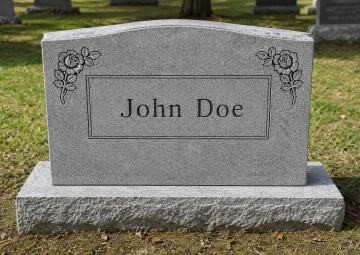
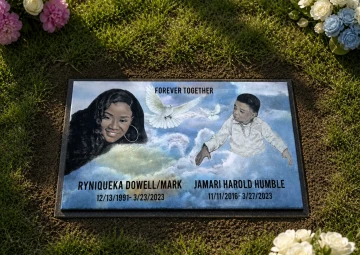
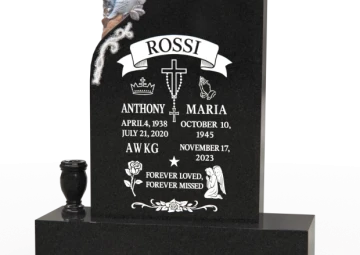
Personalisation can honour the deceased with symbols, motifs, and inscriptions while complying with cemetery rules. Because restrictions vary, consult a memorial provider to confirm your chosen personalisation meets local regulations.
Maintenance
Regular cleaning and inspections preserve appearance and structural integrity. Care instructions differ by material; follow recommended practices to minimise weathering and damage. Proper maintenance helps the memorial remain respectful and long-lasting.
Documentation and Aftercare
After installation, families should receive documentation detailing materials used, installation methods, any warranties, and care guidance. Retain these records for future reference and maintenance planning.
What Are the Key Headstone Size Regulations in Cemeteries?
Cemeteries set maximum height, width, and depth to maintain uniformity. Knowing these limits is essential for compliance and to avoid installation issues.
How Do Cemetery Memorial Guidelines Define Size Limits?
Size limits depend on memorial type, plot location, and the cemetery’s overall design; these guidelines ensure memorials integrate harmoniously into the landscape.
What Are Common Headstone Foundation Standards?
Foundations must provide a solid base—commonly concrete or other durable materials—to prevent shifting or settling over time.
How to Obtain Installation Permits and Approvals for Grave Markers?
Submit a permit application to cemetery management, usually including proof of plot ownership and any additional documents the cemetery requests.
What Is the Cemetery Approval Process for Headstone Installation?
The approval process generally requires submission of the permit and ownership proof; timelines vary, so start early to allow time for review and approval.
Who Is Authorized to Perform Headstone Installation?
Installations are typically performed by professional memorial providers experienced with local regulations and standards. Engaging a qualified installer helps ensure compliance and a secure installation.
What Are the Material and Memorial Plaque Requirements for Headstones?
Requirements commonly specify allowable materials and provide guidelines for inscriptions and plaque design to protect the cemetery’s appearance.
Which Materials Are Allowed Under Cemetery Rules?
Commonly permitted materials include granite, bronze, and marble. Verify any cemetery-specific restrictions on softer stones or particular finishes before choosing.
How to Customize Memorial Plaques Within Legal Guidelines?
Adhere to cemetery rules on size, material, and design. Consult a memorial provider to confirm that your customisation meets local requirements.
What Funeral Home Policies Affect Headstone Selection and Installation?
Funeral home policies can influence selection and installation. Many funeral homes have relationships with memorial providers and can advise on compliance and suitable options.
How Do Funeral Homes Coordinate Compliance with Cemetery Rules?
Funeral homes coordinate with memorial providers and cemetery management to assist with approvals and ensure required documentation is submitted correctly.
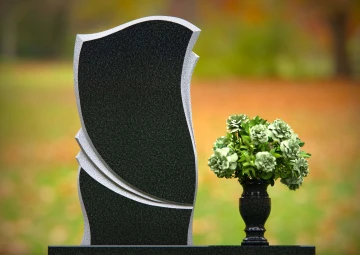
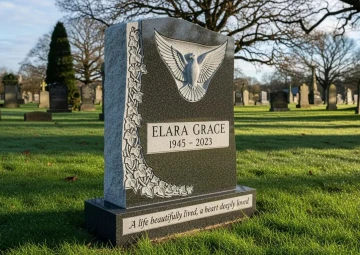
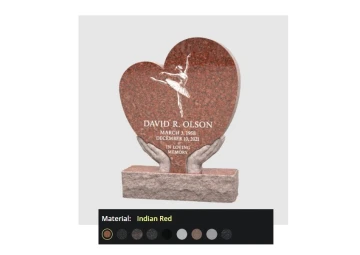
For families seeking distinctive tributes, consider exploring shaped headstones as a meaningful option that may comply with cemetery guidelines.
Frequently Asked Questions
What should I consider when choosing a headstone design?
Consider the deceased’s personality, interests, and values. Personal symbols and inscriptions add meaning, but confirm the design complies with cemetery size and material rules. A memorial provider can advise on compliant options that reflect the person’s life.
How can I ensure the longevity of a headstone?
Choose durable materials such as granite or bronze and follow a schedule of regular cleaning and inspections. Adhere to the provider’s care instructions to preserve appearance and structural integrity over time.
What are the common challenges families face during headstone installation?
Common challenges include interpreting cemetery regulations, obtaining permits, and meeting installation standards; approval delays and material restrictions can occur. A knowledgeable memorial provider can help manage these issues.
Are there any restrictions on headstone personalization?
Many cemeteries limit personalisation to maintain uniformity; restrictions may apply to symbols, inscriptions, or design elements. Verify rules with the cemetery and consult a memorial provider to ensure compliance.
What documentation should I keep after headstone installation?
Keep records that detail the materials used, installation methods, and any warranties. These documents support future maintenance and any warranty claims.
How can I find a qualified headstone installer?
Request recommendations from funeral homes or memorial providers and review installers’ experience with cemetery work and client feedback. Confirm the installer understands the specific requirements of your chosen cemetery.
What are the typical costs associated with headstone installation?
Costs vary by material, design complexity, and cemetery fees. Expect charges for the headstone, installation labour, and permits. Obtain multiple quotes to compare prices and make an informed decision within your budget.
Conclusion
Understanding cemetery rules and legal requirements is essential to create a respectful, compliant memorial. Review approval processes, installation standards, and material options, and work with experienced memorial providers to simplify the process. Begin planning early to ensure a timely and appropriate tribute.