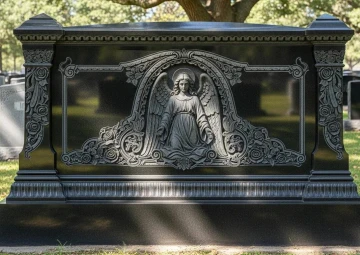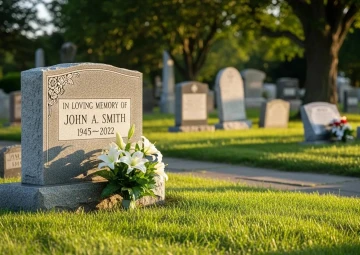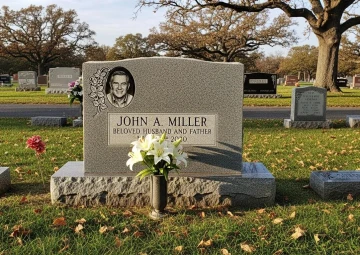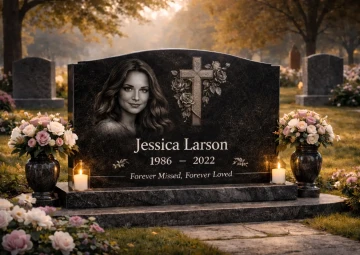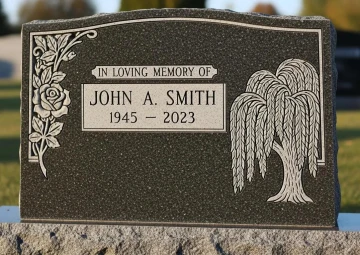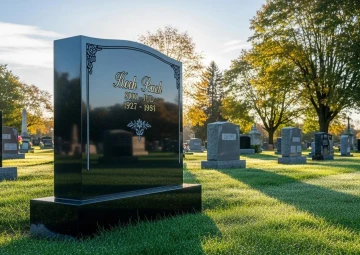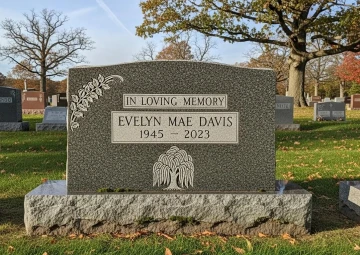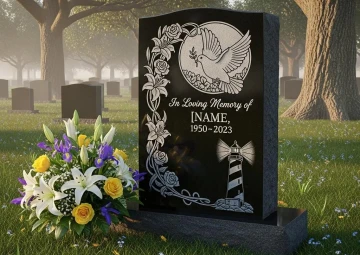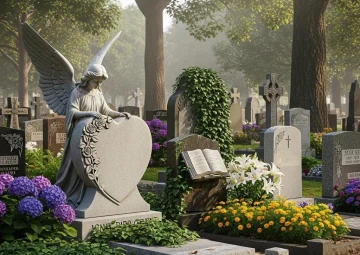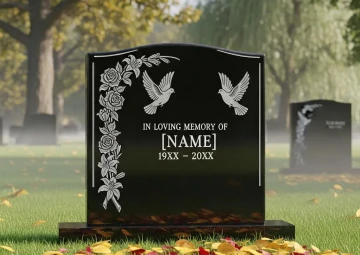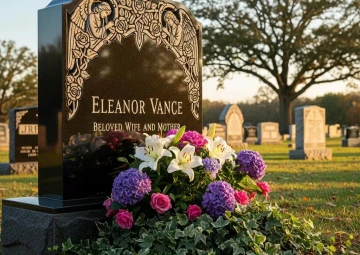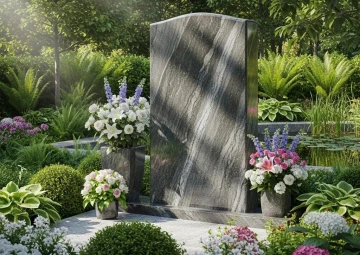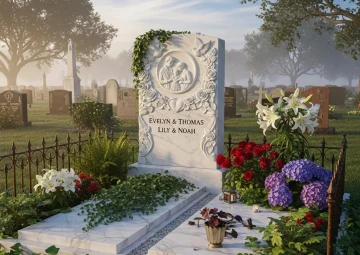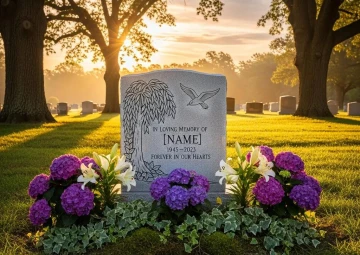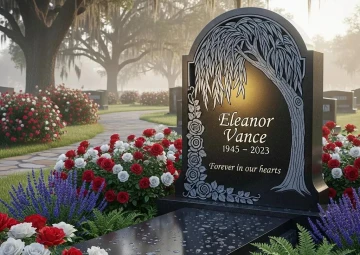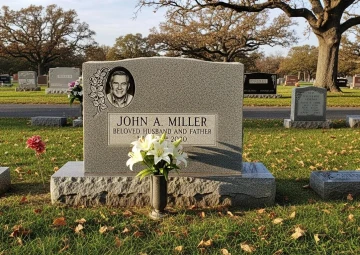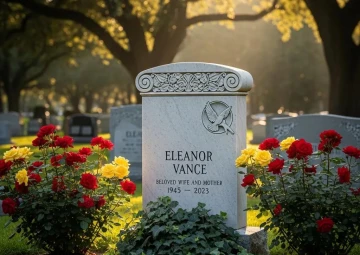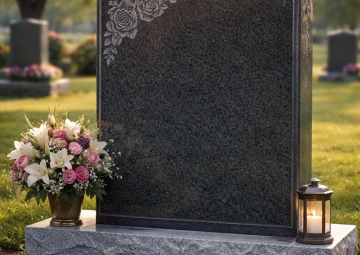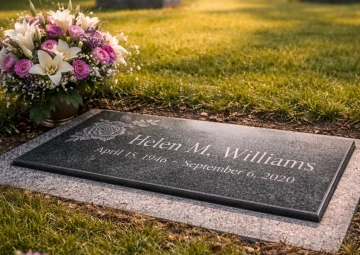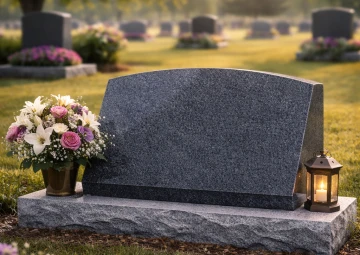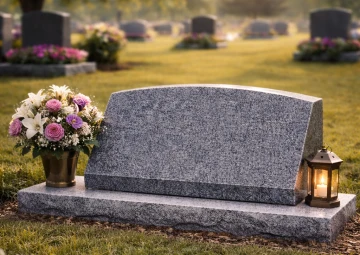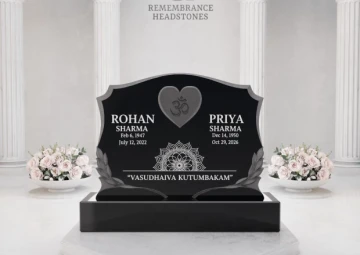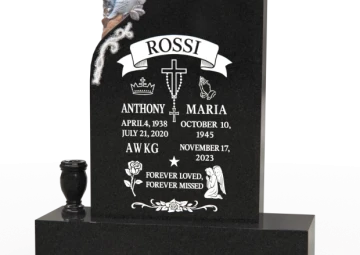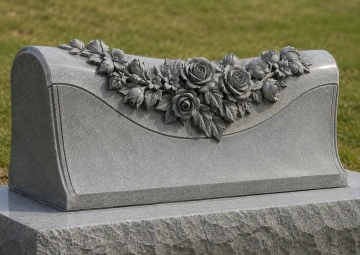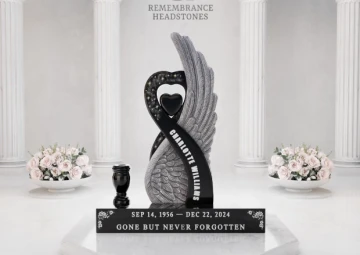
Armies have always commissioned portraits of their own. The regimental painting over the mess hall fireplace, the colonel in oils, the unit photograph framed in every hallway of every armory in the country - service has a portrait tradition older than photography, and it exists because a uniformned life deserves to be recorded by somebody who takes the recording seriously. Military headstones are the family's chapter of that tradition. The last portrait, commissioned in granite, and the one that will be viewed longer than all the others combined.
Remembrance Headstones approaches these commissions exactly that way across fourteen locations in eight states: not as a catalog category with an emblem dropped in, but as portrait work - the service rendered precisely, the person rendered fully, and the proportion between them decided by the family with a designer who understands both registers. The federal benefit side of this subject, from eligibility through the VA paperwork our team files free of charge, lives in its own complete guide on this blog. This article stays at the design table, where the granite is chosen and the life is composed.
What the Family Brings to a Military Commission
Every portrait begins with references, and the military commission has the richest reference tradition in our studio's work. Families arrive with the DD214, which gives the designer the facts in the service's own language - rank, branch, era, decorations, the abbreviations rendered correctly because the document renders them correctly. They bring photographs: the induction picture at nineteen, the reunion picture at seventy, and often one in between that the family agrees looks most like him. They bring the physical things - the folded flag, the medals in their case, once in our Houston studio an entire dress uniform on a hanger, because the daughter wanted the designer to see the ribbons in their true colors before committing them to stone.
All of it earns its place at the table. The document keeps the facts honest, the photographs carry the face and bearing, and the objects settle the details no memory holds precisely - which way the eagle faces, the exact geometry of a badge. Portrait work is reference work, and the military commissions that produce the finest monuments are, without exception, the ones where the family emptied the shoebox. Bring everything. The designer will know what the stone needs.
Army Headstones and the Regiment as a Second Family
Among the branches, the Army commissions carry a particular quality the studio has learned to design for: the unit as a second family, remembered with a family's specificity. Army headstones in our files rarely stop at the service star. They name the division, the regiment, the company - the outfit, in the word the veterans themselves use - because for the man being memorialized, those designations were an address, a household, a set of brothers. The design conversation reflects it. Families debate the unit designation's placement with the same care they give the surname, and old soldiers who consult on a friend's stone speak of the outfit in the present tense.
The studio's craft response is precision and proportion. Unit insignia are rendered from proper references at a scale that honors without dominating, era details - a campaign, a theater, a decoration - are placed as facts rather than ornaments, and the composition keeps the man at the center of his own monument. One army headstones commission from our Tulsa region carried the unit's designation and, beneath the dates, a single line the family chose over every decoration he'd earned: He never lost a man. The regiment sent flowers to the unveiling. That is the second family, still mustering, and the stone was built knowing it would.
Headstones for Military Veterans Across Every Branch and Era
The portrait standard holds across all services, and headstones for military veterans in this studio's production span the full roster - Army, Navy, Marine Corps, Air Force, Coast Guard, and now Space Force, with National Guard and Reserve service carried at equal dignity, as it should be. Each branch brings its heraldry and its culture to the table, and the designer's obligation is the same for all of them: exactness. Insignia are precise heraldry with official references, and this studio renders them from those references or not at all, because the people who will inspect the work most closely at the graveside are the ones who wore the same emblem.
Era shapes the portrait as much as branch, and military headstones for veterans of different generations ask for different registers. The World War II and Korea generation's stones tend toward the classical - the emblem, the theater, the traditional phrasing. Vietnam-era commissions carry their own weight and often their own privacy, which the design honors. And headstones for military veterans of the recent conflicts, arriving in our studios in growing numbers now, bring a generation's different instincts: more photography, more of the civilian life alongside the service, and pre-need commissions from veterans still young enough to design with complete calm. The portrait tradition adapts. The exactness never does.
Military Headstone Symbols Placed With a Curator's Restraint
On symbolism, this studio's counsel runs against the maximal instinct. Military headstone symbols form a deep inventory - branch emblems, badges, decorations, the folded flag, the solemn imagery reserved by custom for the fallen - and the fullest treatment of what each element denotes belongs to the reference books and the veterans' own organizations. The design question at a premium studio is different: not what the symbols mean, but which few this particular portrait needs, and at what scale.
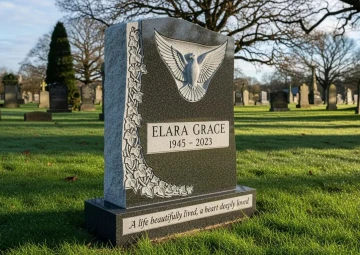
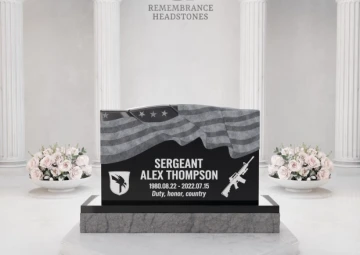
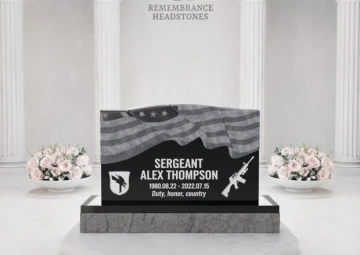
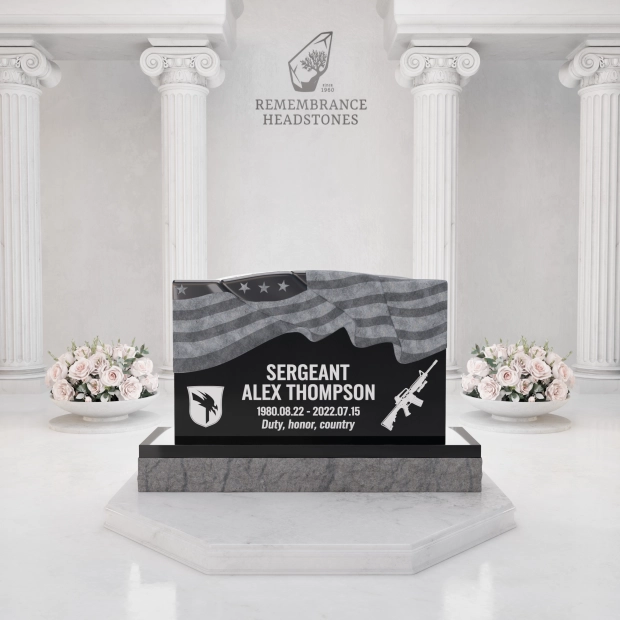
The answer, commission after commission, is fewer and larger. One emblem rendered in true relief outweighs five etched small. A single decoration, placed where the eye rests, states the record more powerfully than the full rack reproduced. Military headstone symbols and meanings accumulate their force through precedence and placement - the uniform's own discipline, applied to granite - and the symbols on military headstones that move strangers decades later are almost always the restrained ones: the lone star, the single anchor, the pair of wings with room to breathe. Curation is the craft. The service supplied the vocabulary; the design supplies the silence around it.
Military Headstone Inscriptions and the Two Line Problem
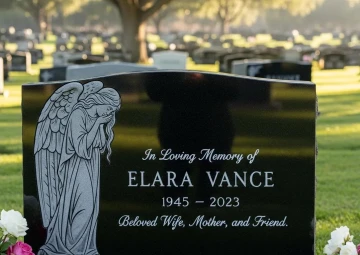
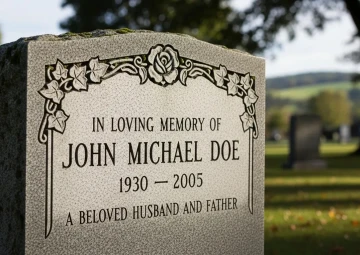
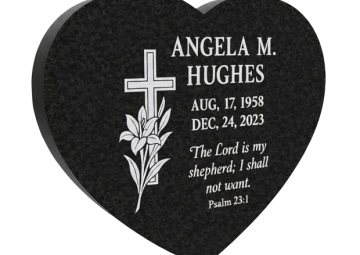
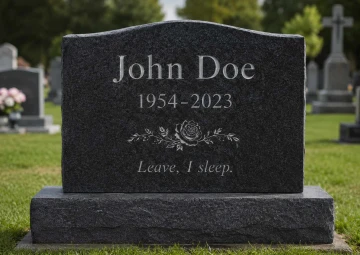
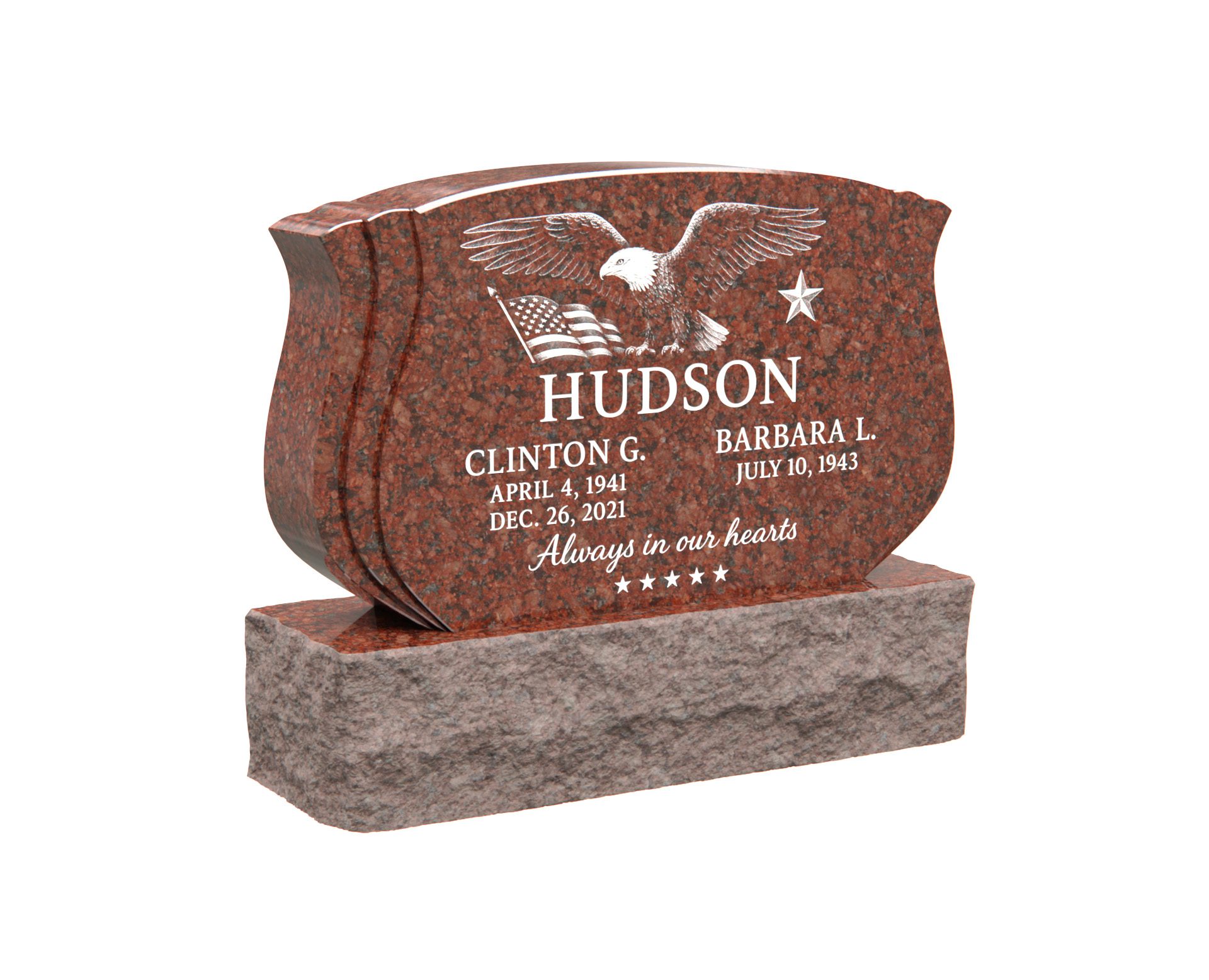
Every military commission eventually arrives at the same design decision, and the studio has come to call it the two line problem. Military headstone inscriptions must carry two registers: the service line - name, rank, branch, era, stated in the conventions and abbreviations the service itself uses - and the human line, the epitaph, which belongs to the family and the whole life. Both are true. Both deserve the stone. The problem is proportion and order, and it is a genuine conversation, worth the slow hour our design meetings give it: does Sergeant precede father, and by how much letter height?
The studio brings no doctrine to that hour, only the portrait principle: the stone should hold the proportion the man himself held. Career soldiers' monuments carry the service large, and correctly. The four-year veterans who spent fifty years as machinists, deacons, and grandfathers usually want the service stated exactly and briefly, then the life given the face of the stone - and their families say so once the question is put plainly. Our epitaphs guide on this blog covers the distilling craft in full; the military commission simply adds the second line above it, in the service's own grammar, rendered without a single abbreviation out of place.
Military Headstone Inscription Examples Weighed at the Design Table
Rather than a gallery, one worked example, because the weighing is the lesson. Military headstone inscription examples in the studio's files mostly resolve the two lines the same way this recent commission did. The family arrived wanting everything: rank, branch, two decorations, the era, and a four-line verse. The stone was a slant marker with a slant marker's face. The design hour did what design hours do - read it all aloud, watched where the room went quiet - and the finished inscription runs: the name, one line of service in correct convention, the dates, and beneath them five words his wife had said at the service without knowing she was writing granite: Strong hands, gentle with everything.
The decorations moved to a small engraved pair beside the emblem, present and exact. Nothing was lost; everything was weighed. That is what military headstone inscription examples from a portrait studio look like in practice - not templates to copy, but proportions to learn from - and the families who sit through the weighing invariably approve the leaner stone, because the leaner stone reads like the man instead of the file.
Coins on Military Headstones and the Ledge That Waits for Them
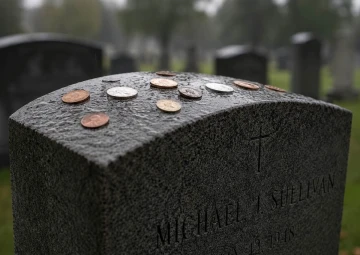
One tradition shapes this studio's military designs physically, and it deserves its chapter. Visitors leave coins on military headstones as messages in an old service custom: a penny marks a visit and respects paid, a nickel says the visitor trained at boot camp with the deceased, a dime says they served together, and a quarter - the heaviest coin in the tradition - says the visitor was present when the service member died. The custom's origin is told most often as a Vietnam-era practice, folklore more than certified history, and cemeteries typically gather the coins for grounds care or veteran burial funds, so the messages are read, received, and put to honorable work.
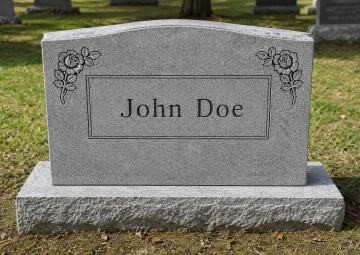
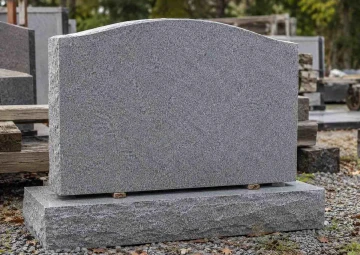
The studio's contribution is architectural: military commissions here are designed with a clean, flat base ledge or top edge - polished, level, waiting - because coins on a military headstone need somewhere dignified to sit, and a monument that receives the tradition gracefully receives it for fifty years. Families finding coins on headstones military comrades have left should read them exactly as sent: proof the service is remembered by the people who shared it. More than one family has told our teams the coins meant as much as the flag. We believe them, and we build the ledge.
Sculpture and Relief for Military Estate Monuments
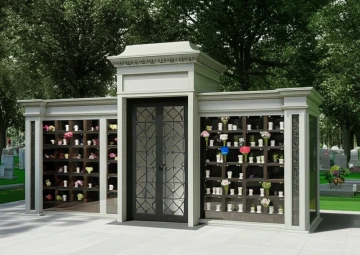
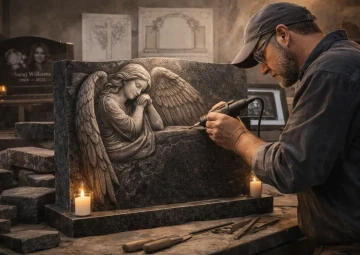
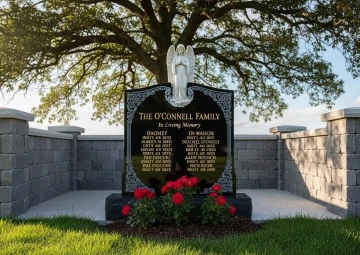
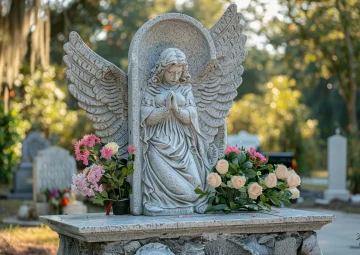
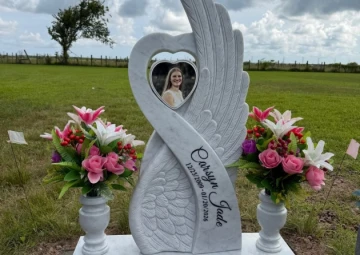
Now the ground this studio holds alone in the family of guides on this subject: the military commission at full sculptural scale. Through the custom memorial features program - the sculptures, reliefs, and stone carvings, the enclosures and railings, the memorial landscaping - military estate work rises past the tablet entirely. An eagle carved in the round crowning a family monument. A relief panel across a plot's central stone, the landing craft or the flight line rendered in true carved depth rather than surface etching. Flag plazas set into estate landscaping, the pole footing engineered with the enclosure. A career officer's plot in our design files composes as a quiet parade ground: central monument, matched markers in file, granite border squared like a formation.
These are commissions in the oldest sense - drawn, modeled, approved in stages - and they serve the families for whom the service was the family's founding institution: the three-generation military households, the Gold Star families building a permanent place of honor, the retired commands. The military headstones veterans of long careers plan at this scale are designed with the veteran in the room whenever the timing allows, and those meetings run with a formality the studio has learned to respect. Some clients review the drawings the way they reviewed orders. The work is better for it.
Military Headstone Designs From Flush Bronze to the Flag Plaza
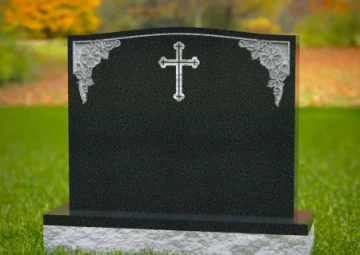
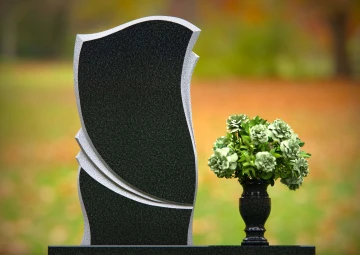
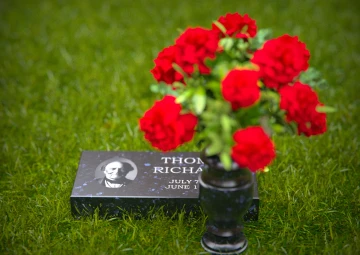
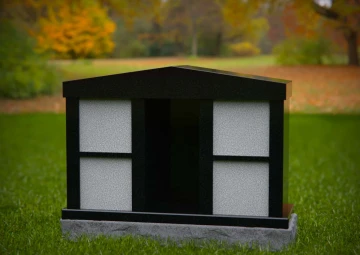
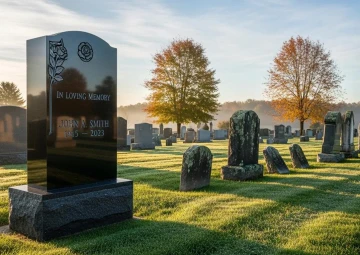
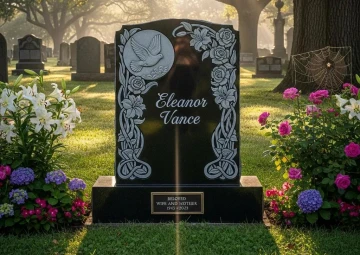
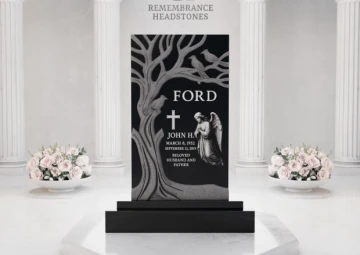
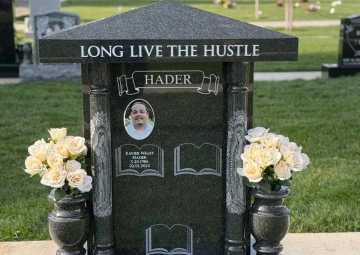
The full range, so every family locates itself. Military headstone designs at this studio begin at the flush marker - granite or bronze-on-granite through the group's own bronze line, composed to stand beside or replace the government issue - and rise through slant and bevel markers carrying the full service line, upright military headstones for veterans with relief emblems and etched portraiture in uniform, companion stones where one panel holds the service and the center holds the marriage, cremation monuments with the same portrait standard at smaller scale, and the estate and sculptural tier above. Government markers integrate rather than compete: the studio routinely designs custom monuments to stand in composition with an existing VA bronze, one plot, one design language, both honors intact.
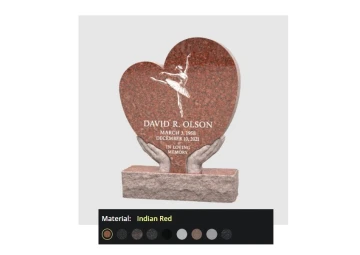
Every tier takes the same tools. The configurator at remembranceheadstones.com places the emblem, sets the two lines, and renders the granite in 3D; the AR preview stands the finished monument on the plot at true scale - and the pre-need veterans who review their own stones that way have made the preview one of the quietly moving rituals of this work. The portrait is approved by its subject. Not many studios in any century could say that.
Military Headstones and Markers Priced and Financed
The terms, stated once and plainly. Military headstones and markers here carry the catalog's structure with the service discounts leading: veterans take 20% off with full payment and 10% on installment plans, first responders 15% and 5%, alongside the standing 10% full-payment offer for all clients. Klarna and Affirm carry financing to 24 months, 0% in-house plans run to 12, and pre-need arrangements extend to 36 months interest-free with free storage and locked pricing - the route a growing share of this category travels, for the best reason in the trade: the veteran designs the portrait personally. Through July 31, the Independence Day offer takes 25% off two or more monuments with full payment, which estate and family-plot commissions meet naturally, and a 10% price match stands behind everything. The military markers headstones share plots with, including federal issue, are integrated into designs at no charge to the composition; the benefit paperwork itself is handled free through the process our veterans guide details.
The consultation rooms wait in Sacramento, Los Angeles, Laguna Woods, Hesperia, Houston, Allen, Dickinson, Tulsa, Edmond, Enid, Essington, Tukwila, Roseland, and Orlando, with remote commissions for families across New York, Illinois, Ohio, the Carolinas, Kansas, Washington, and Arkansas. Bring the DD214 and the shoebox. The studio will bring the references, the restraint, and the ledge. Somewhere between them, on a table with photographs spread across it, the last portrait gets composed - and like the regimental paintings it descends from, it will be inspected by people who know exactly what right looks like. It will pass. That is the entire standard of this work, and it is not negotiable here.