Upright headstones are one of the most traditional and recognizable memorial styles found in cemeteries. Their vertical structure allows for clear inscriptions, decorative elements, and long-lasting visibility, making them a meaningful tribute to a loved one. This guide explains the main types, materials, costs, cemetery rules, installation requirements, and design considerations to help families make informed decisions.
What Are Upright Headstones?
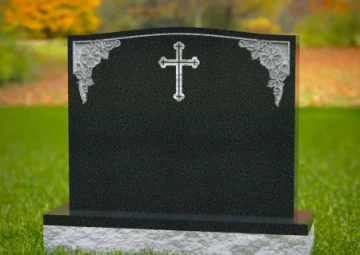
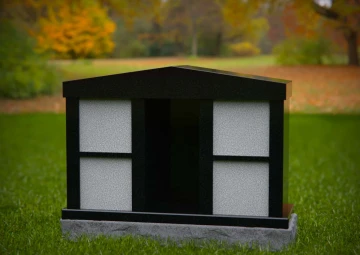
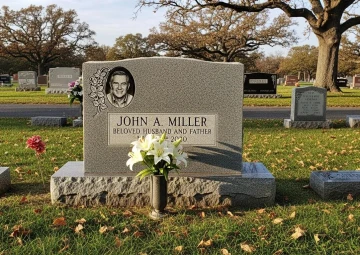
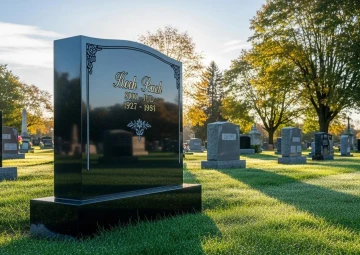
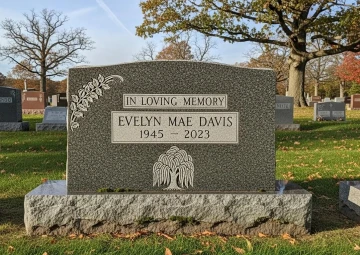
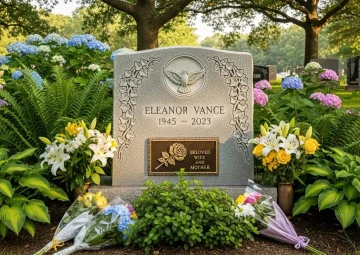
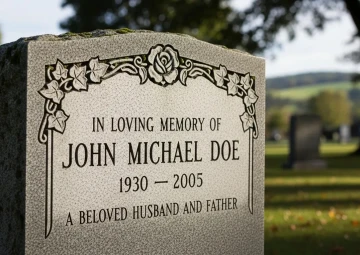
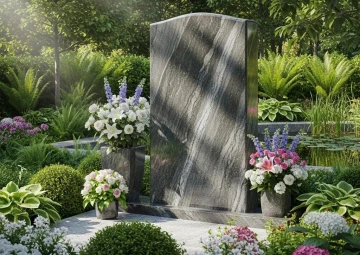
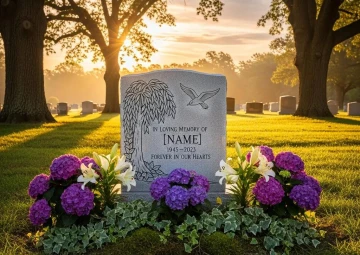
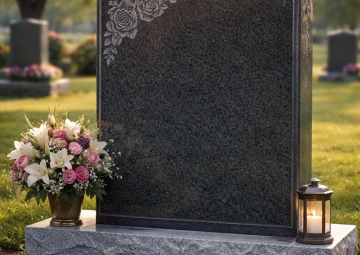
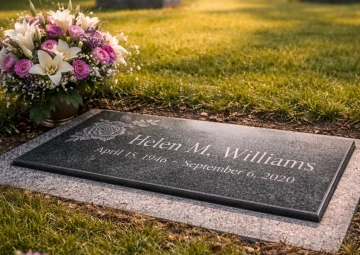
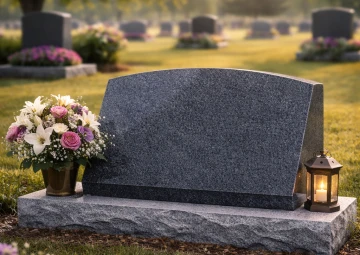
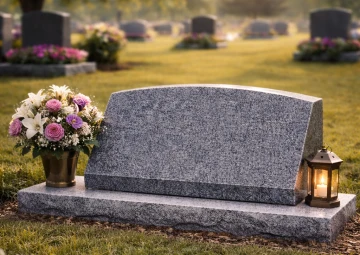
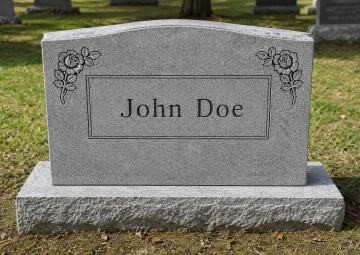
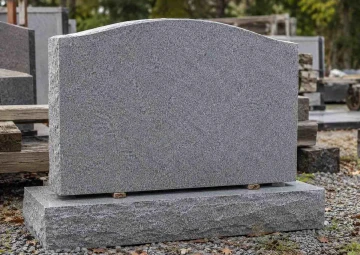
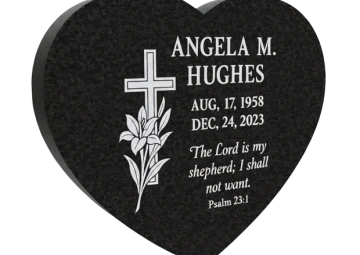
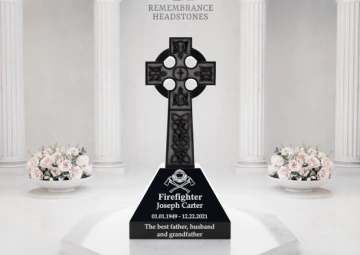
Upright headstones are vertical memorial markers installed on a base at the head of a grave. Compared with flat grave markers, they provide more engraving space and stronger visual presence within a cemetery landscape.
They are commonly chosen because they:
- offer excellent visibility
- support detailed inscriptions
- allow custom shapes and finishes
- accommodate companion memorials
- provide long-term durability when made from granite or bronze
Many cemeteries consider upright monuments a traditional memorial standard, though regulations may vary by section.
Types of Upright Headstones
Several upright headstone styles are available depending on cemetery rules and family preferences.
Single Upright Headstones
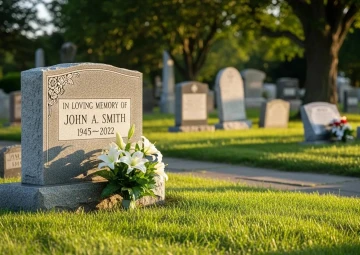
Designed for one individual, these are the most common memorial choice and typically include a base and vertical tablet.
Companion Upright Headstones
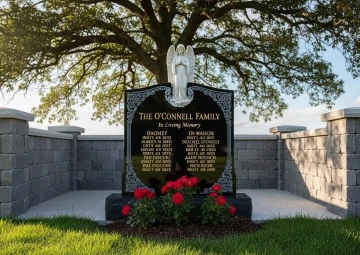
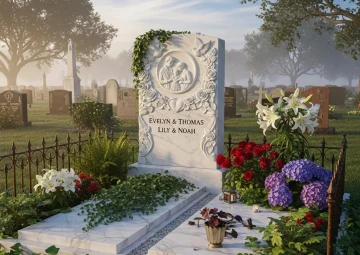
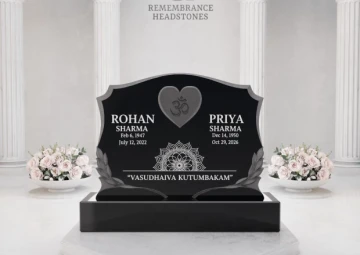
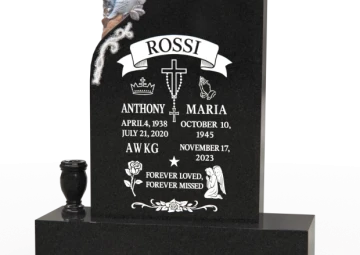
Companion monuments commemorate two individuals and are often wider with shared inscriptions.
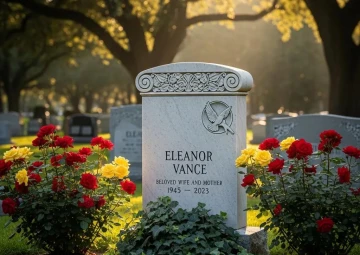
Serpentine Top Upright Headstones
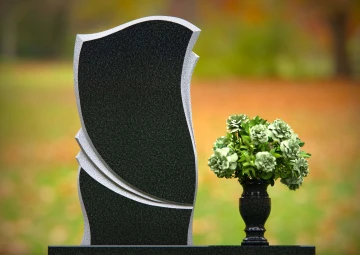
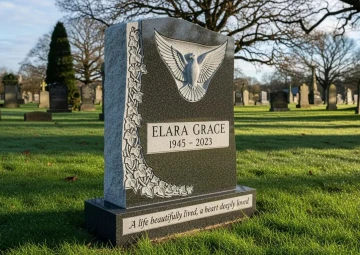
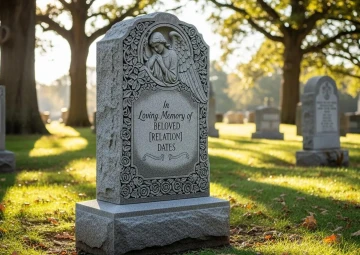
These feature decorative curved tops that add elegance and visual distinction.
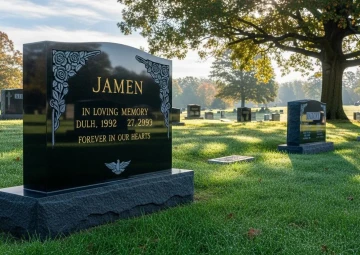
Upright Headstones with Bases
Most upright monuments include a foundation base that increases stability and allows additional inscription space.
Materials Used for Upright Headstones
Material selection affects durability, appearance, and maintenance needs.
Granite Upright Headstones
Granite is the most popular option because it:
- resists weathering
- maintains polish over decades
- supports detailed engraving
- comes in multiple colors
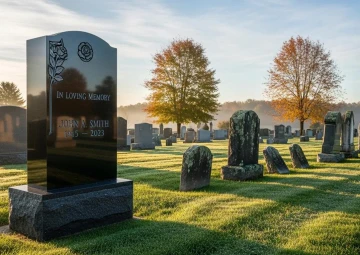
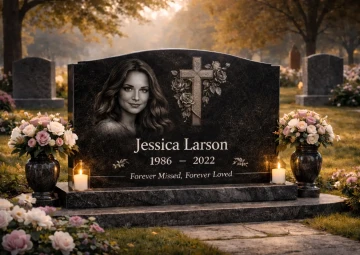
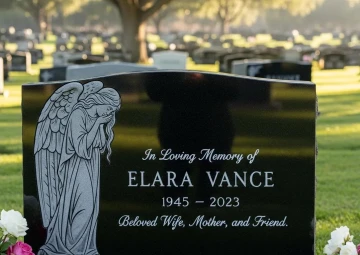
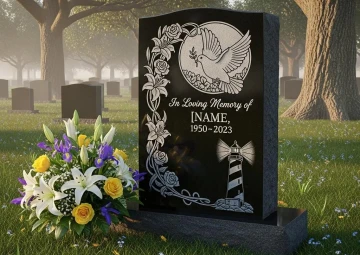
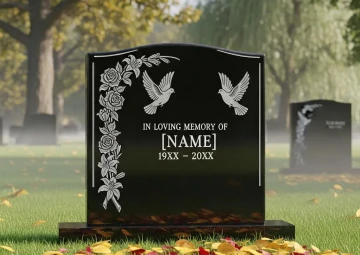
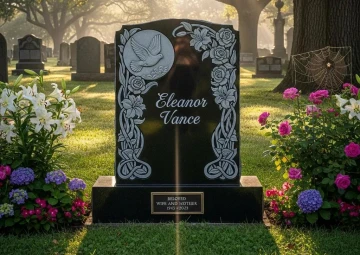
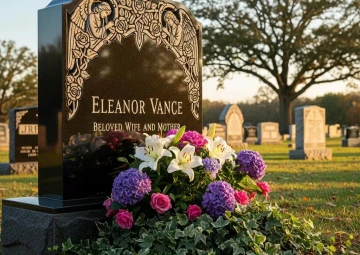
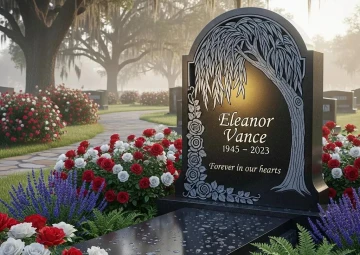
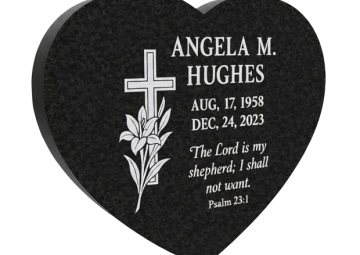
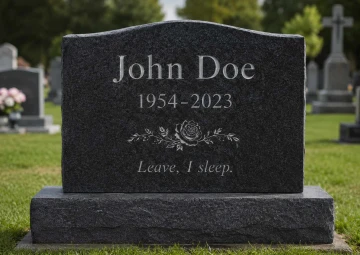
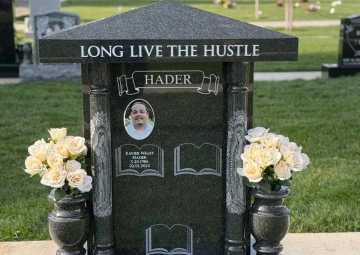
Black granite is especially preferred for high-contrast lettering.
Marble Upright Headstones
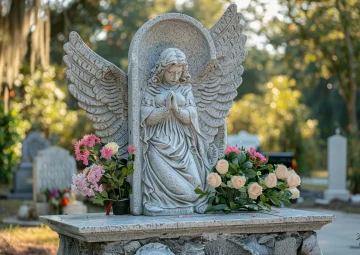
Marble provides a classic appearance but may weather faster than granite in harsh climates.
Bronze Memorial Panels
Bronze panels are sometimes mounted onto granite bases for a refined and durable memorial style.
Upright Headstone Costs
Costs vary depending on material, size, engraving detail, and installation requirements.
Typical price factors include:
- stone material selection
- monument size and thickness
- engraving complexity
- foundation preparation
- cemetery permit fees
- installation labor
In many cases, upright monuments cost more than flat markers due to their structure and installation requirements, but they provide greater visibility and personalization opportunities.
Families comparing memorial options often request quotes early to align selections with cemetery regulations and budget expectations.
Cemetery Rules for Upright Headstones
Before choosing an upright monument, confirm cemetery regulations regarding:
- height limits
- width restrictions
- base requirements
- permitted materials
- installation approvals
Some memorial sections allow upright monuments only in designated areas, while others require flat markers for uniform appearance.
Working with an experienced memorial provider helps ensure compliance with these requirements.
Upright Headstone Installation Process
Professional installation ensures safety, stability, and long-term durability.
Typical installation steps include:
- verifying cemetery approval
- preparing the foundation base
- positioning the monument tablet
- securing the headstone to the base
- final alignment and inspection
Because installation standards vary by cemetery, qualified installers familiar with local requirements are recommended.
Designing an Upright Headstone
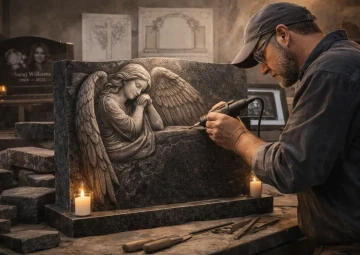
Upright monuments allow extensive personalization.
Popular design elements include:
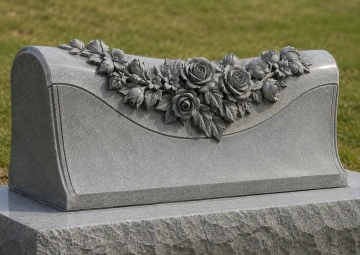
- engraved lettering styles
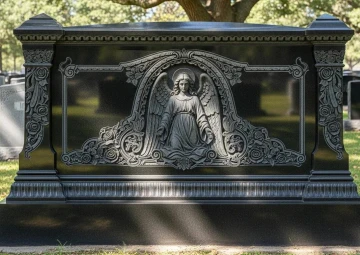
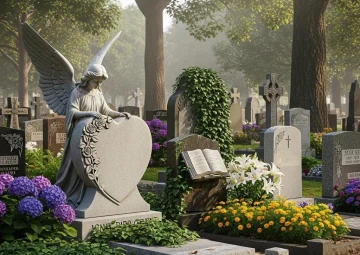
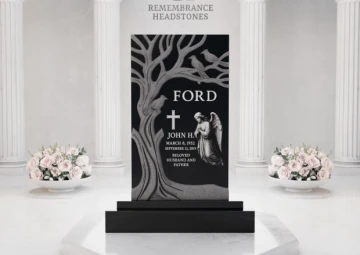
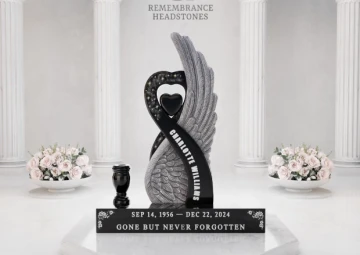
- religious symbols
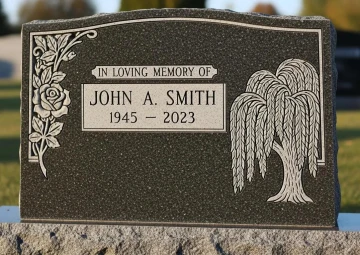
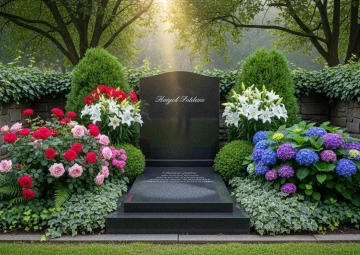
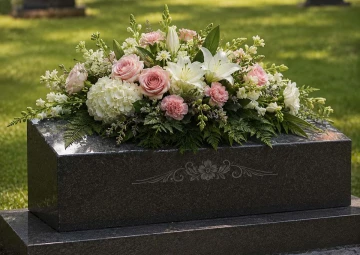
- floral motifs
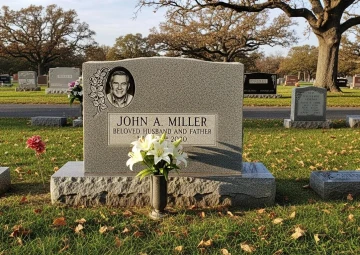
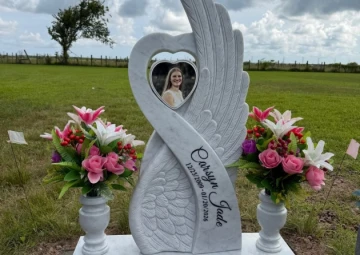
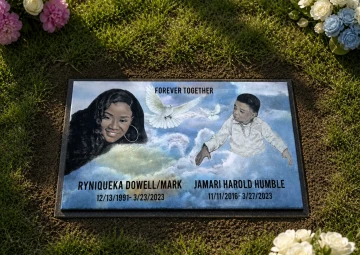
- portraits or photo etching
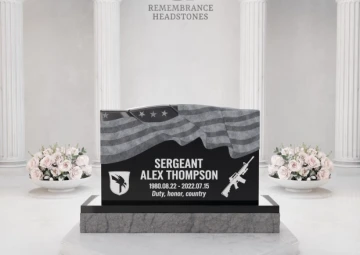
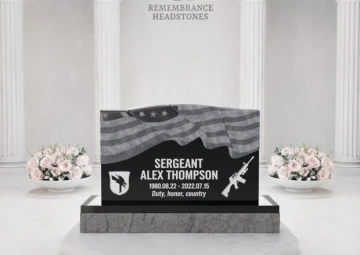
- custom shapes
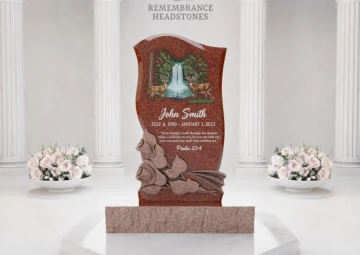
- polished or rock-pitched finishes
Personalization helps families create a memorial that reflects the life and personality of their loved one while maintaining cemetery compliance.
Companion Upright Headstones
Companion monuments are designed for shared remembrance and often include:
- dual inscriptions
- wider base structures
- matching decorative elements
- coordinated layout planning
They are frequently selected by couples planning family memorial arrangements in advance.
Maintenance and Longevity
Granite upright headstones require minimal maintenance when properly installed.
Recommended care includes:
- periodic gentle cleaning
- inspection after seasonal weather changes
- removal of moss or debris
- avoiding harsh chemical cleaners
Routine maintenance helps preserve appearance and structural integrity over time.
Choosing the Right Upright Headstone
Selecting the right memorial involves balancing personal preference, cemetery regulations, and long-term durability considerations.
Families typically evaluate:
- monument style
- stone material
- inscription layout
- cemetery size restrictions
- installation timelines
- available customization options
Planning ahead allows time for approvals and thoughtful design decisions.
Frequently Asked Questions
How long do upright headstones last?
Granite upright headstones can last for many decades with minimal maintenance and remain one of the most durable memorial options available.
Are upright headstones allowed in all cemeteries?
Not always. Some cemeteries restrict monument height or allow upright markers only in designated sections.
What is the average cost of an upright headstone?
Costs vary depending on size, material, engraving detail, and installation requirements. Granite monuments typically represent the most common investment level.
Can upright headstones include photos or custom symbols?
Yes. Many upright monuments support photo engraving, religious symbols, and decorative artwork depending on cemetery guidelines.
Do upright headstones require a foundation?
Most cemeteries require a concrete or stone foundation base to ensure long-term stability.
Conclusion
Upright headstones remain one of the most meaningful and traditional memorial options available. Their durability, visibility, and customization flexibility make them a preferred choice for families seeking a lasting tribute. By understanding monument types, materials, installation requirements, and cemetery regulations, families can confidently select a respectful memorial that honors their loved one for generations.