Memorials are a permanent part of legacy planning — visible, personal markers that help families remember and heal. This guide explains why planning ahead matters, how custom headstones can capture character and family history, and how digital tributes extend remembrance beyond the gravesite. You’ll find practical steps to ease the emotional burden on loved ones, personalize a meaningful tribute, coordinate with funeral professionals, and choose financing that fits your needs. Read on for clear, compassionate guidance to honor someone you love.
Why Is Memorial Pre-Planning Essential for Legacy Preservation?
Pre-planning a memorial helps make sure a person’s wishes are respected and their story is told in the way they would want. Preparing ahead reduces rushed decisions made under stress, gives families time to reflect on meaningful choices, and helps keep costs predictable. In short, pre-planning protects memory and gives families steadiness during a difficult time.
How Does Pre-Planning Ease Emotional and Financial Burdens on Families?
Making decisions in advance prevents loved ones from facing last-minute pressure and emotional overwhelm. Financially, locking in selections early can guard against future price increases and allows families to compare options calmly. Pre-planning also opens up payment choices and design options that better match a family’s budget and values.
What Are the Key Steps in Designing Your Future Memorial?
Designing a thoughtful memorial usually follows a few practical steps. Consider these essentials:
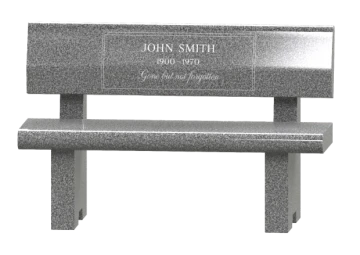
- Choose the Type of Memorial: Decide what feels right — a headstone, bench, plaque, or another lasting marker.
- Select Materials: Pick durable materials like granite or bronze that will honor the memory for generations.
- Involve Family Members: Invite close family to share memories and preferences so the memorial reflects a shared story.
Following these steps helps ensure the final tribute feels intentional, personal, and enduring.
How Do Custom Headstone Designs Reflect Family Heritage and Personalization?

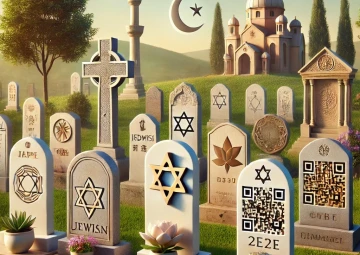
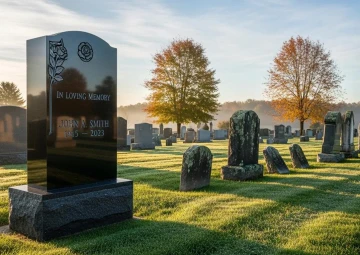
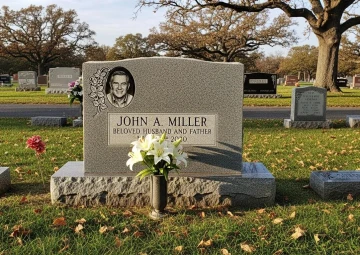
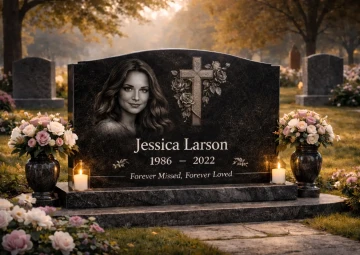
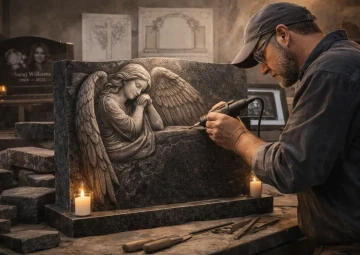
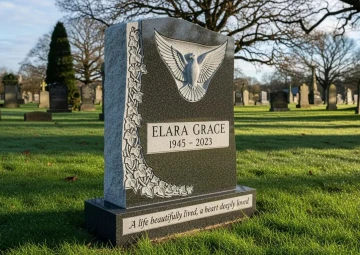
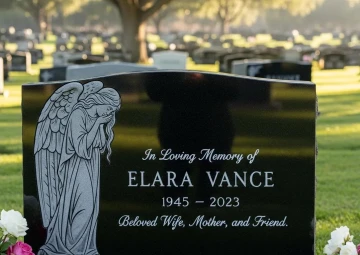
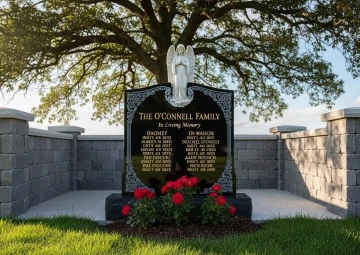
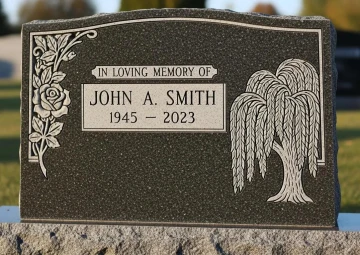
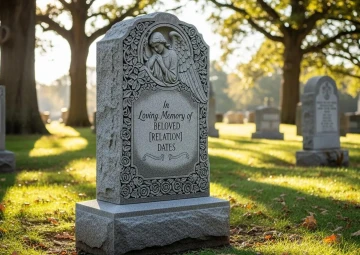
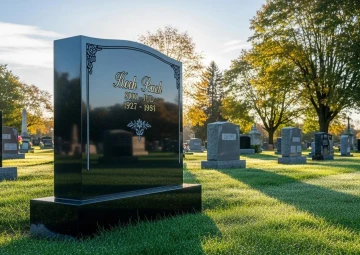
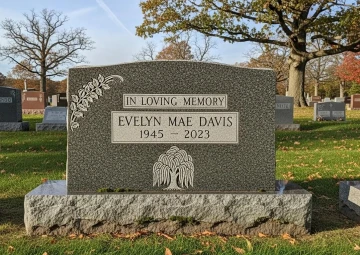
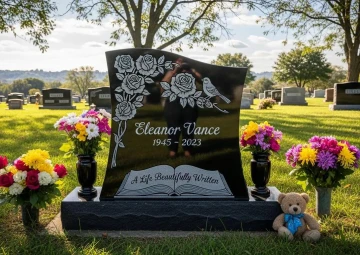
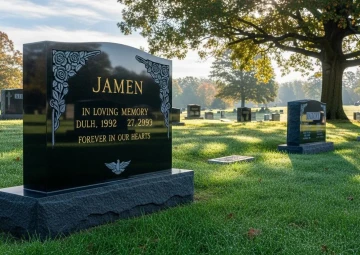
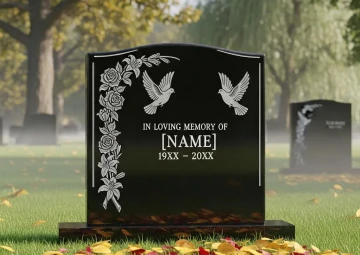
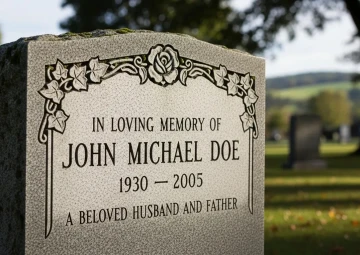
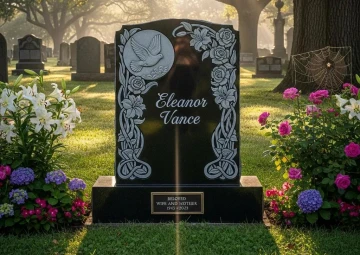
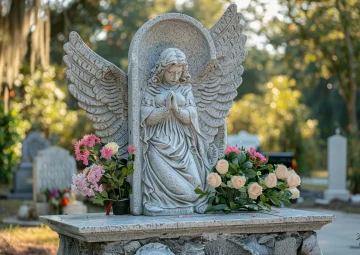
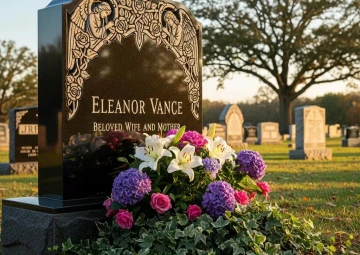
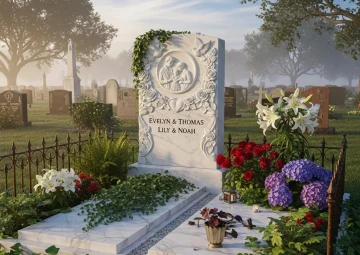
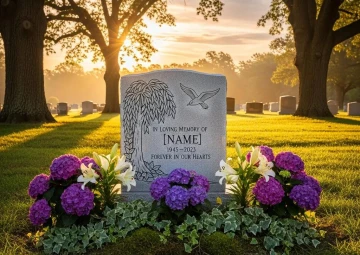
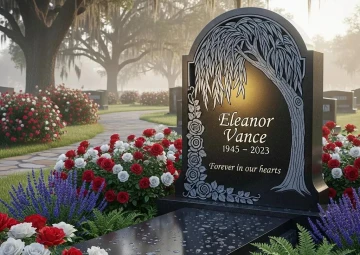
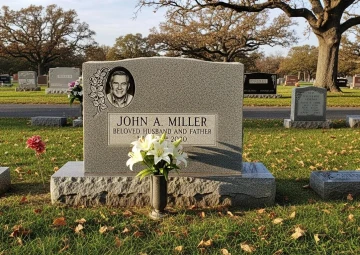
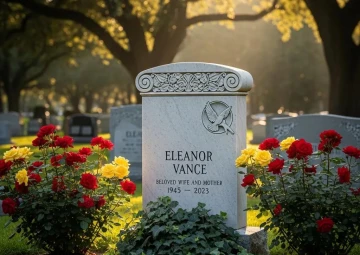
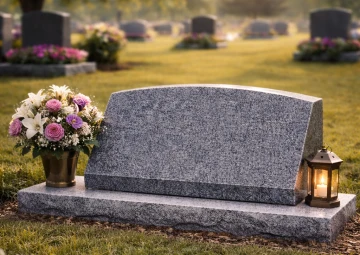
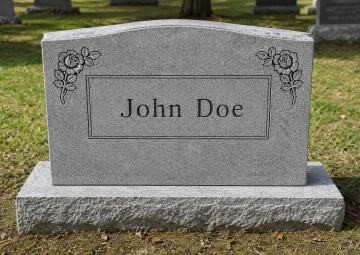
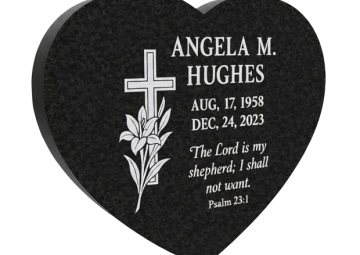
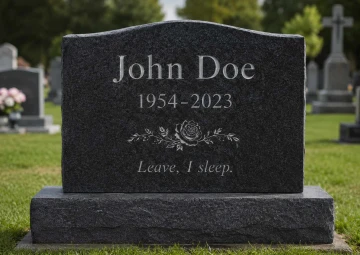
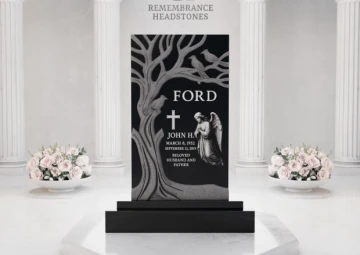
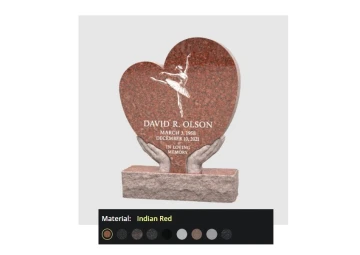
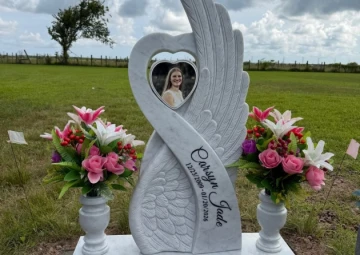
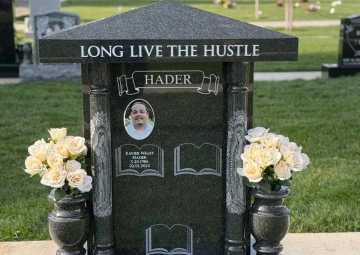
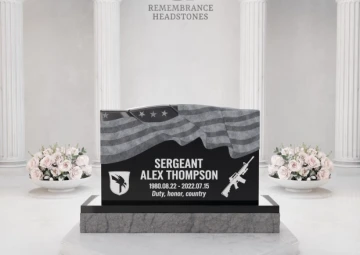
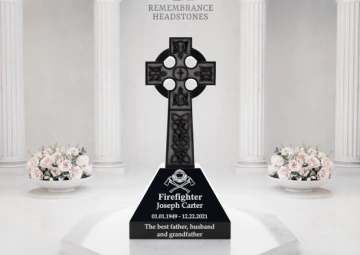
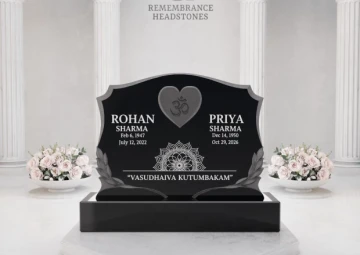
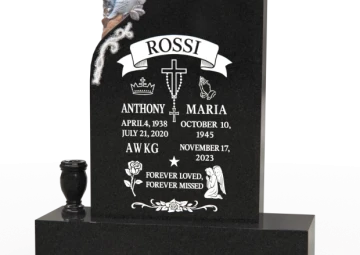
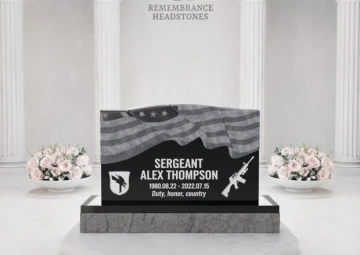
Custom headstones let families express heritage, values, and personality in a lasting form. Thoughtful design — from shape and material to engraving and imagery — turns a marker into a story: a cultural symbol, a beloved hobby, or a favorite phrase. The result is a tribute that feels true to the person it honors.
What Are the Popular Types and Materials of Legacy Monuments?
Several monument styles and materials are commonly chosen for their appearance and longevity:
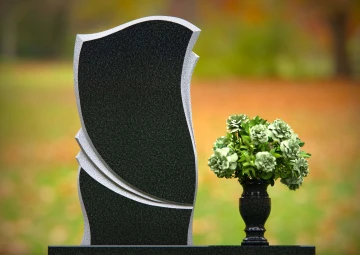
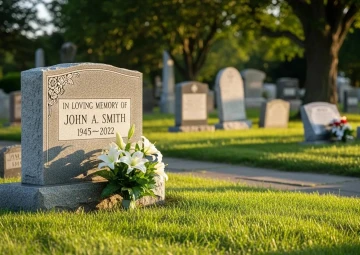
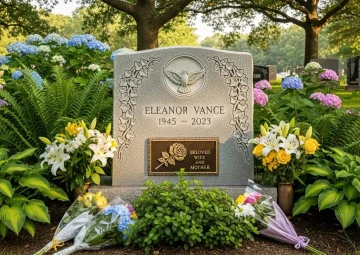
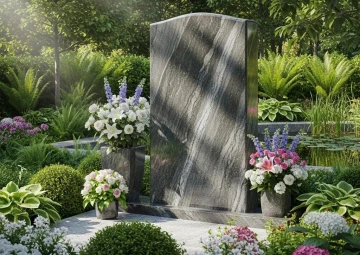
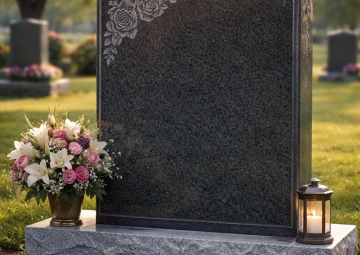
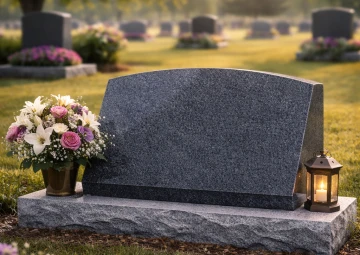
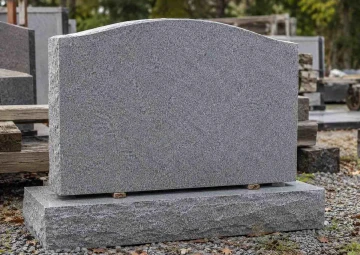
- Granite Headstones: Extremely durable, available in many colors and finishes, and a dependable long-term choice.
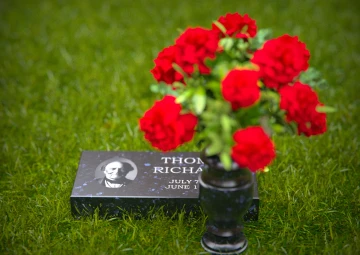
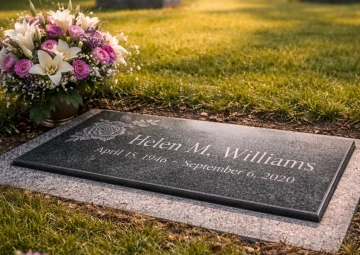
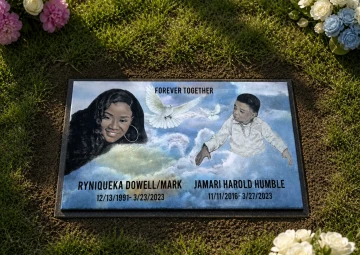
- Bronze Plaques: A classic option for flat markers or raised memorials that develop a dignified patina over time.
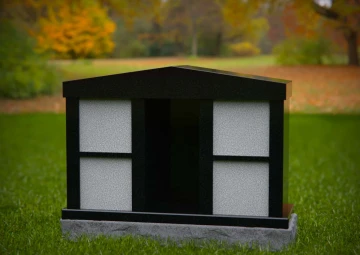
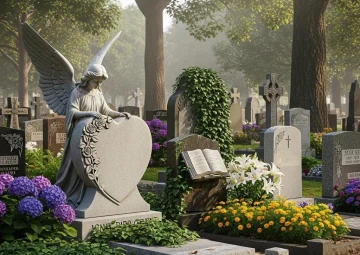
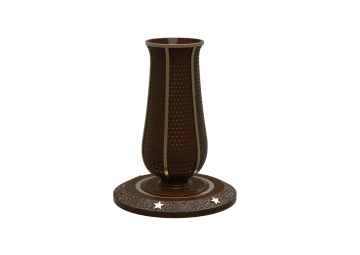
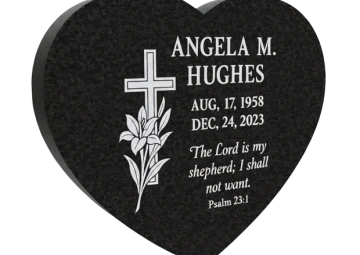
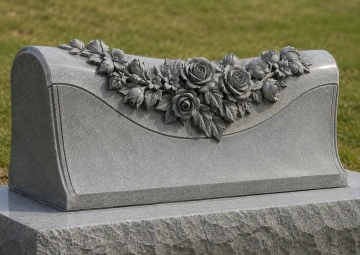
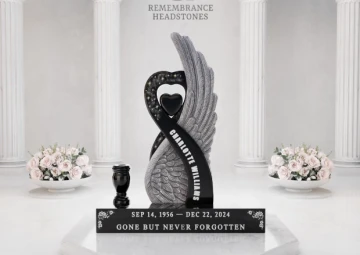
- Special Shaped Memorials: Custom silhouettes and contours that reflect a person’s passions or profession.
Mixing materials and styles helps families create a monument that suits both the person remembered and the place where it will stand.
How Can Engravings and Symbols Enhance Multi-Generational Memorials?
Engravings and symbols add layers of meaning that speak to future generations. Consider choices like:
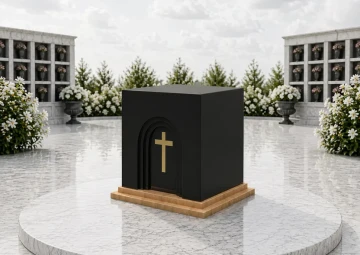
- Religious Symbols: Emblems of faith that honor spiritual beliefs.
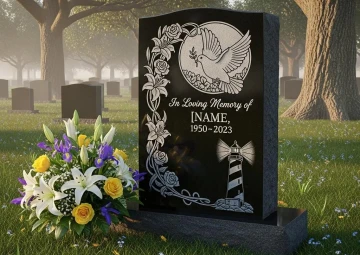
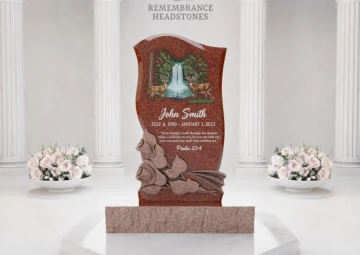
- Nature Motifs: Leaves, trees, or animals that reflect a love of the outdoors.
- Personal Interests: Images or text that highlight hobbies, careers, or defining stories.
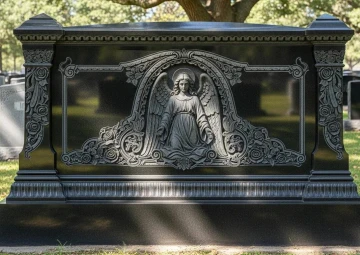
These details make a memorial more than a name and dates; they create a tangible link that helps descendants remember who a person was.
What Role Does Digital Legacy Play in Modern Memorial Planning?

Digital memorials broaden how we remember. Online pages, photo galleries, and recorded stories let families gather memories in one place and share them across distances. Digital tributes complement physical memorials and make family history and personal stories easier to find for future generations.
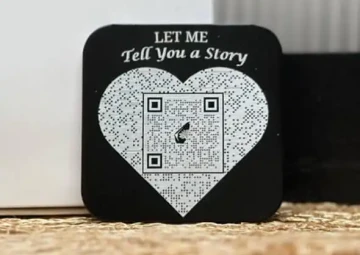
How Do QR Code Memorials Connect Physical Monuments to Online Tributes?
Engraving a QR code on a headstone or plaque creates a direct link between the gravesite and an online memorial page. Visitors can scan the code to view photos, read biographies, and hear stories — turning a brief visit into a fuller, more personal experience that brings a life into clearer focus.
What Are the Benefits of Sharing Stories and Photos Through Digital Memorial Platforms?
Digital memorial platforms offer tangible benefits for families who want to preserve and share memories:
- Community Engagement: Friends and relatives can add memories and photos, building a collective tribute.
- Preservation of Memories: Digital files keep photos and stories safe and searchable for the future.
- Ease of Sharing: Online pages make it simple to share a memorial with those who cannot visit in person.
Used alongside a physical memorial, these platforms help sustain remembrance across time and distance.
How Can Collaboration with Funeral Directors Enhance Comprehensive Legacy Planning?
Funeral directors bring practical experience that helps translate memorial plans into reality. They advise on timing, legal requirements, cemetery rules, and the logistics of installing a monument, so families can focus on meaningful choices instead of paperwork.
What Are the Advantages of Integrating Headstone Selection into Funeral Arrangements?
Coordinating headstone selection with funeral planning streamlines the process and ensures consistency across services. Key benefits include:
- Convenience: A single point of contact for arrangements and monument logistics.
- Holistic Approach: Ensures the memorial fits the tone and timing of the funeral.
- Expert Guidance: Access to advice on design, cemetery rules, and installation.
This coordinated approach helps families make decisions with clarity and confidence.
How Do Funeral Directors Support Seamless Memorial Coordination?
Funeral directors help manage the many moving parts of memorial planning, such as:
- Arranging Transportation: Coordinating movement of the deceased and logistics for attendees.
- Managing Paperwork: Handling permits, cemetery forms, and other required documentation.
- Providing Emotional Support: Offering compassionate guidance during the planning process.
Their involvement keeps practical steps on track so families can focus on honoring their loved one.
What Financing Options Support Memorial Pre-Planning and Customization?
Knowing payment options helps you create the memorial you want without unnecessary financial stress. Families commonly use payment plans, in-house financing, or dedicated memorial funds to manage costs.
How Do Flexible Payment Plans Like Klarna Facilitate Memorial Investments?
Flexible plans such as Klarna let families spread payments over time, making higher-quality materials or custom details easier to afford. Breaking costs into manageable installments helps families prioritize meaningful choices without a large upfront expense.
What Should Families Know About Budgeting for Legacy Monuments?
Budgeting for a memorial is simpler with a few clear steps:
- Estimate Costs: Research typical prices for the styles and materials you prefer so you can set a realistic budget.
- Plan for Additional Expenses: Factor in engraving, installation, and any maintenance.
- Explore Financing Options: Look into payment plans, in-house financing, or memorial funds to spread costs.
With a plan in place, families can choose options that honor their loved one while staying within financial limits.
| Financing Option | Description | Benefits |
|---|---|---|
| Klarna Payment Plan | Installment payments that spread the cost of a memorial over time | Makes higher-quality choices more affordable by reducing initial outlay |
| In-House Financing | Financing arranged directly through memorial suppliers | Simplifies payments and often offers convenient terms |
| Memorial Funds | Dedicated savings set aside specifically for memorial expenses | Ensures funds are available when needed and eases planning |
This table summarizes common financing routes to help you weigh the options and pick what fits your family.
Frequently Asked Questions
What should I consider when choosing a location for a memorial?
Choose a location that matters to the deceased and their family and that is accessible for visitors. Consider whether the setting reflects the person’s spirit — a cemetery, park, or private land are common choices. Always check local regulations and cemetery rules to ensure the site is permitted and practical for ongoing visits.
How can I incorporate personal stories into a memorial tribute?
Personal stories make a memorial feel alive. Share anecdotes during services, add written tributes or plaques, or create multimedia displays with photos and videos. Invite friends and family to contribute memories — collective storytelling deepens the tribute and gives a fuller picture of the person’s life.
What are the environmental considerations for memorial planning?
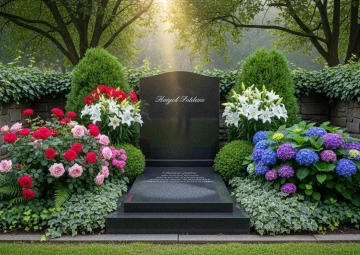
If environmental impact matters to your family, consider eco-friendly options like biodegradable markers, sustainably sourced materials, or natural burial sites. Living tributes such as planting trees or creating memorial gardens can also benefit the local ecosystem. Check local rules for green burials and confirm what’s allowed at your chosen site.
How can I ensure my digital legacy is preserved for future generations?
Start by organizing digital accounts and assets: list logins, back up important files, and decide what content should remain public. Consider a trusted digital legacy service or designate a family member to manage accounts. Clearly communicating your wishes and storing access information securely helps ensure memories and records stay available.
What role do memorial services play in the grieving process?
Memorial services give family and friends a place to gather, share stories, and support each other — important steps in grieving. They acknowledge loss, celebrate the person’s life, and begin the healing process. Personal touches like favorite music, readings, or rituals make the service more comforting and memorable.
How can I involve children in memorial planning?
Inviting children to participate helps them understand and process loss. Encourage age-appropriate contributions such as drawing pictures, sharing a memory, or choosing a symbol for the memorial. Simple, creative tasks let children express feelings and feel included in honoring someone they loved.
What should I consider when choosing a location for a memorial?
Pick a spot that feels meaningful and practical for visitors. Think about the deceased’s and family’s preferences, how easy the site is to reach, and whether the setting suits the person’s spirit. Common choices include cemeteries, parks, or private land. Always verify local rules and cemetery regulations before finalizing a site.
How can I incorporate personal stories into a memorial tribute?
Personal stories bring a memorial to life. Share anecdotes during services, include written tributes or plaques, or use multimedia displays with photos and videos. Ask family and friends to contribute memories — collective storytelling creates a fuller, more meaningful tribute.
What are the environmental considerations for memorial planning?
If sustainability matters, consider greener options: biodegradable markers, sustainably sourced stone, or natural burial sites. Planting trees or creating memorial gardens offers a living tribute that benefits the local ecosystem. Check local regulations for green burials and confirm what’s allowed at your chosen site.
How can I ensure my digital legacy is preserved for future generations?
Begin by organizing digital accounts and assets: list logins, back up important files, and decide what to keep public. Consider a trusted digital legacy service or appoint a family member to oversee accounts. Clear instructions and secure storage of access details help ensure memories remain accessible.
What role do memorial services play in the grieving process?
Memorial services help people gather, share stories, and support one another — essential steps in grieving. They create space to acknowledge loss, celebrate life, and start healing. Personal touches like favorite music, readings, or rituals make the service more comforting and memorable.
How can I involve children in memorial planning?
Inviting children to take part helps them process loss. Encourage suitable activities: drawing pictures, sharing a memory, or choosing a symbol for the memorial. Simple, creative tasks let children express emotions and feel included in honoring someone they loved.
Conclusion
Memorials offer a meaningful way to honor those we’ve lost, providing comfort and a lasting record for future generations. Thoughtful pre-planning, careful design, and modern digital tools help families create tributes that reflect a life well lived. When you’re ready, use our resources to begin planning a memorial that truly celebrates your loved one.