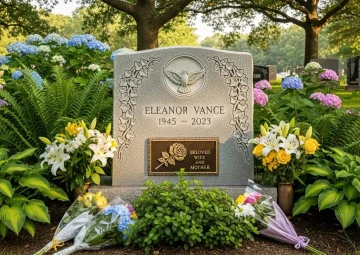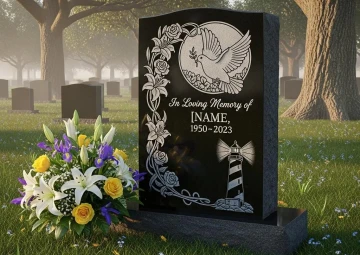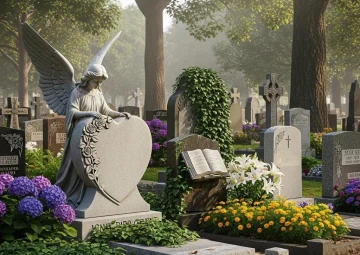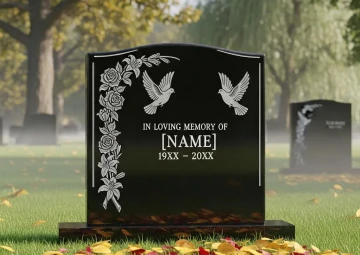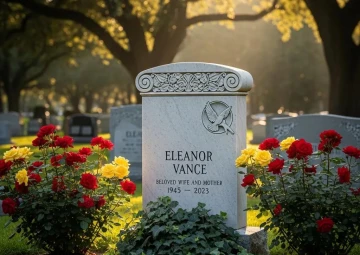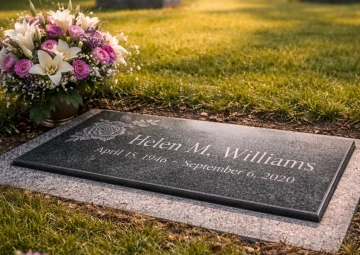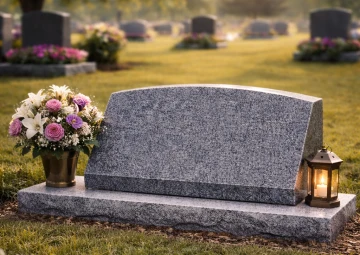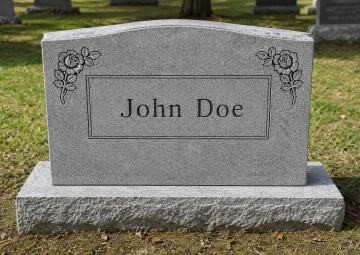
Read enough cemetery stones and you learn to see relationships in pure typography. Two names side by side at equal weight: partners. One name above another: generations. Two names under one surname with forty years between the birth dates: a parent and the child who came home to care for them. The layout is the relationship, rendered in spacing and letter height, and a designer who understands that can tell a family's story on one stone without a single word of explanation. This article is about the single headstone with two names in all its versions - and deliberately about the versions the trade rarely writes down, because the husband-and-wife companion monument has its own full guide on this blog, and the pairs who are not a married couple deserve better than a footnote to it.
Two sisters who shared a house for sixty years. Brothers. A father and the son who worked beside him. A mother and her adult daughter. Two friends who told everyone they were family and were right. Remembrance Headstones designs one-stone memorials for all of these across fourteen locations in eight states, and the craft questions - layout, plot logistics, cost, the second inscription - answer differently for each pair. Here is the whole map.
The Layout Is the Relationship
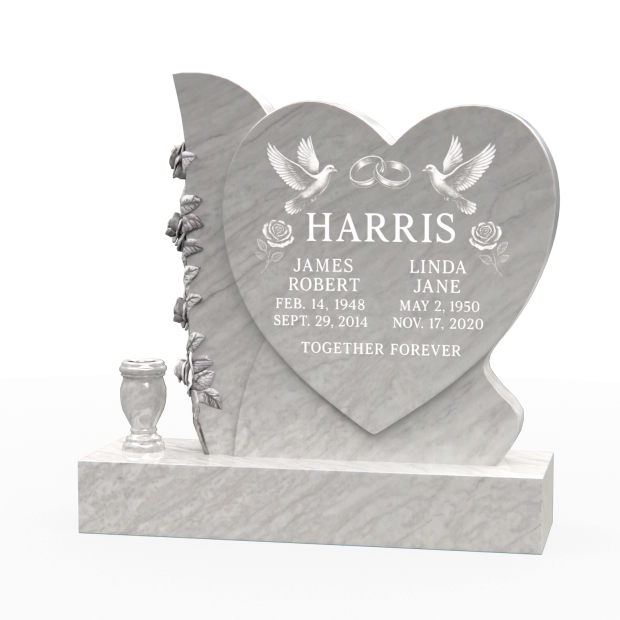
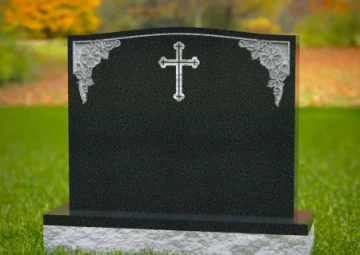
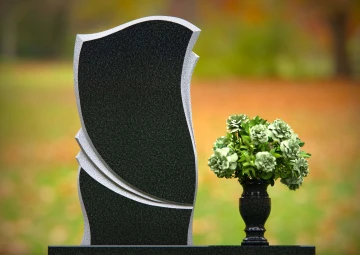
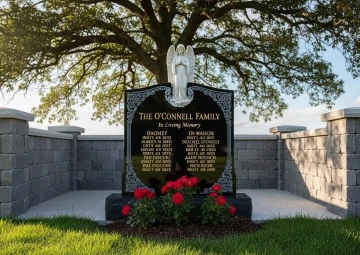
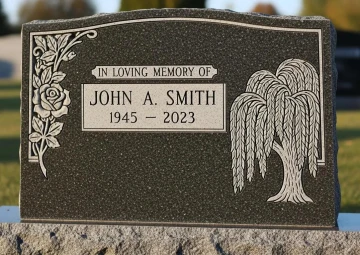
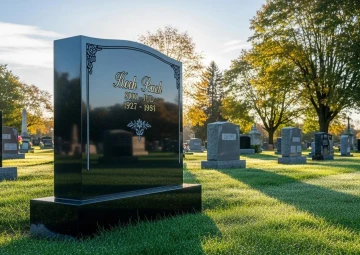
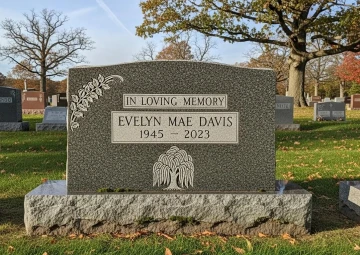
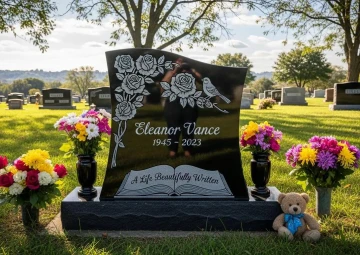
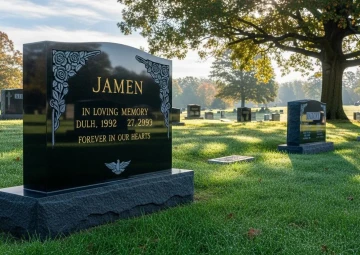
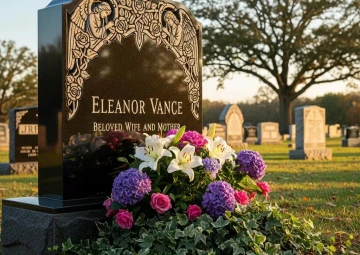
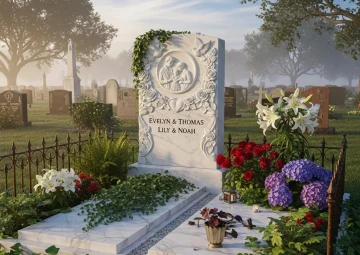
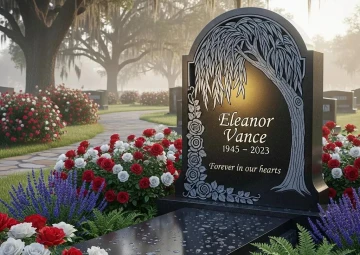
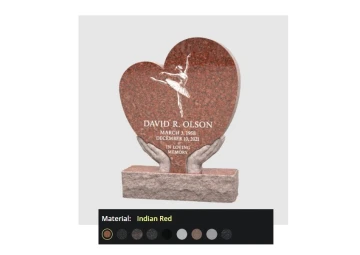
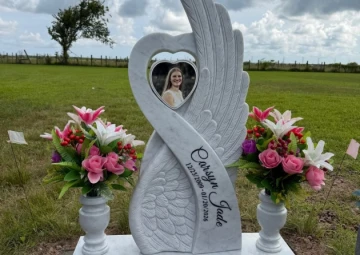
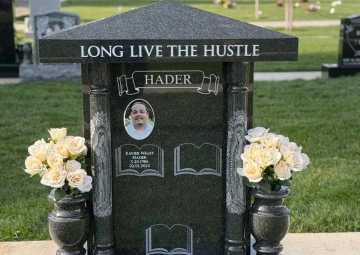
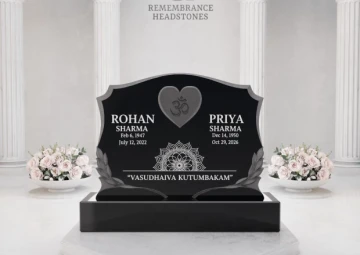
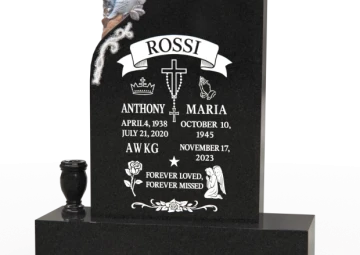
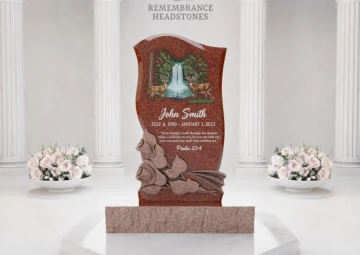
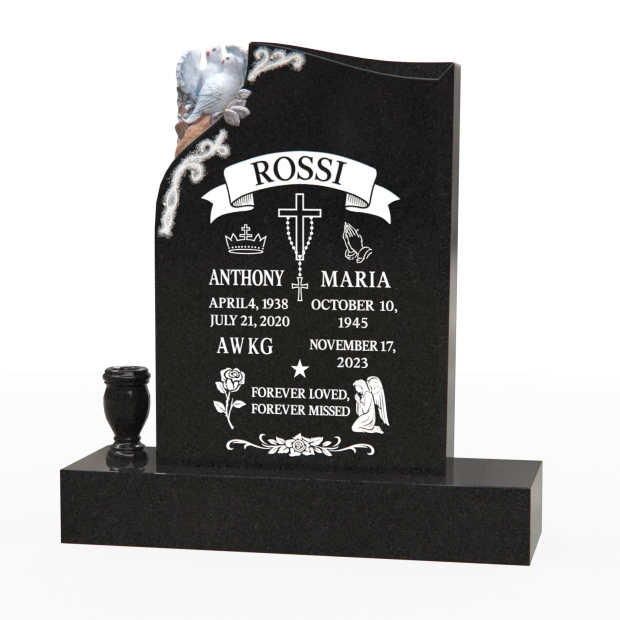
Start with the design grammar, because it does the heaviest lifting. A single headstone with two names composes in three basic architectures, and the right one follows from who the two people were to each other. Side-by-side at equal weight is the grammar of partnership - spouses, yes, but equally the two sisters, the lifelong friends, any pair whose lives ran parallel. Stacked, one name above the other, is the grammar of generations: the parent above, the child below, or the reverse when a child went first and the parent chose to follow onto the same stone, which happens more than the trade admits and deserves the gentlest design hours a studio has. And the unified composition sets both names inside one shared element - an etched scene, a large carved surname, a single verse arching over everything - the grammar of family itself, useful when the pair's bond was the household rather than the pairing.
None of these is upgraded or downgraded from the others. The studio's consultations simply ask about the two people until the architecture announces itself, which it reliably does. A stone for brothers wants different spacing than a stone for a mother and daughter, and the visitors who knew them will feel the difference without ever naming it. That felt rightness is the entire deliverable.
One Plot, Two People, and How the Ground Works
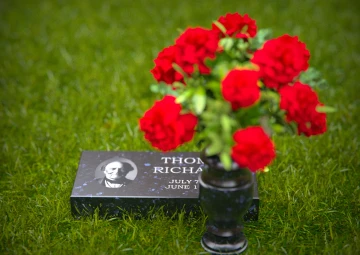
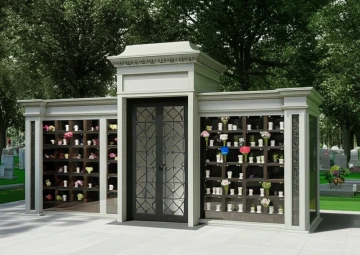
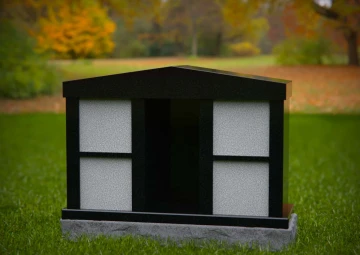
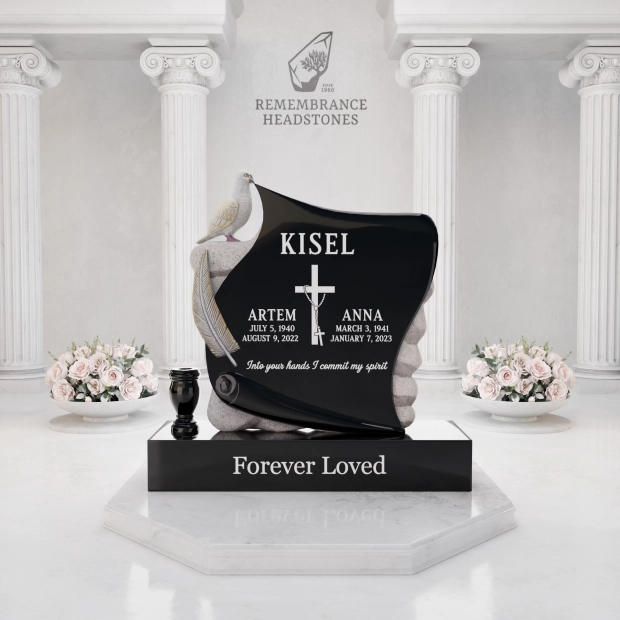
The logistics chapter, plainly, because a single headstone with two names usually means a single plot with two interments, and families deserve the mechanics before the design. Double-depth burial - two caskets in one plot, one above the other - is offered by many cemeteries and is the traditional engine of this category: one space purchased, one monument set, two people home at one address. Cremation multiplied the options: an urn interred above or beside a casket in the same plot, two urns in one small space, or a niche added into the monument itself where grounds permit, all of which our team confirms with your specific cemetery before any drawing is finalized.
The one-address logic is worth saying out loud because it is often the actual reason families choose this format. Visiting one stone is a single ritual; visiting two graves in two sections is a divided one, and for the pairs this article is about - the sisters, the parent and child - division is precisely what the memorial exists to refuse. One stone. One visit. Both names under the same sky, which is how the two of them lived.
When the Two Names Are Not a Couple
Now the heart of the piece. The trade's forms and brochures assume marriage, and the families who arrive wanting a single headstone with two names for a different bond sometimes half-apologize at the consultation table, as if the request were unusual. It is not, and this studio's files prove it weekly. Two brothers who ran the same farm, their stone carrying the barn they built etched across both names. Sisters in Laguna Woods who shared seventy years and asked, pre-need and laughing, whose name would go on the left - the designer suggested alphabetical, and they approved it on the spot. A father and son, same trade, same union local, the emblem carved once and centered because it belonged to both.
The design questions shift subtly for these pairs. There is no marriage date for the center, so the joining element becomes the shared thing itself - the farm, the craft, the faith, the surname - which often produces stronger stones than the conventions do. Inscriptions name the bond where the family wants it named: Sisters, Brothers, Devoted Friends, or nothing at all, the shared stone saying it silently. And the approval paperwork occasionally needs an extra signature where plot deeds and family trees diverge, which our team handles with the rest. The studio's position is simple and worth stating: love that shared a life has earned a stone that shares a face, whatever the census called the household.
A Mother and a Child on One Stone
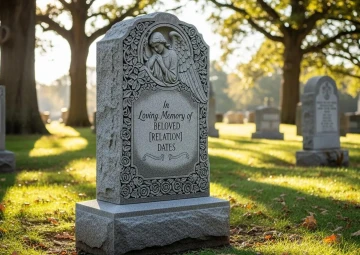
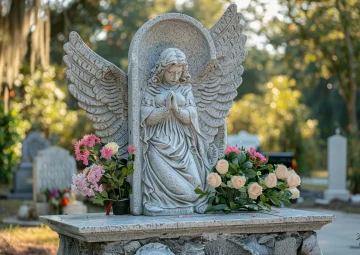
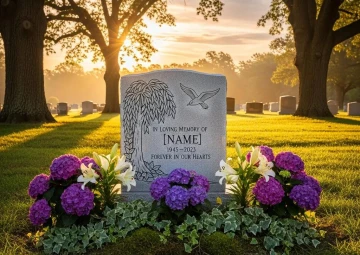
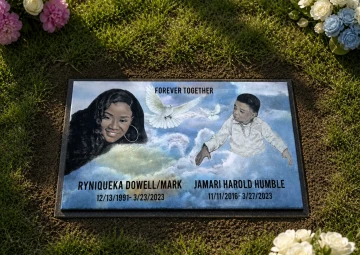
One configuration within this category asks for its own quiet paragraph, and the studio gives these commissions its most careful hours. A parent and child sharing a single headstone with two names - most often a mother and the son or daughter lost before her, joined later by her own name - carries a grief with its own architecture, and the stacked layout serves it with particular grace: the child's name where the parent could watch over it, or the parent's name above like a roof. Angel and lamb elements from the child memorial tradition compose alongside adult inscription without conflict when the design respects both registers.
Families in this situation frequently arrive years after the first loss, when the surviving parent makes their own arrangements and asks whether they can simply be added to the existing stone. Very often, yes - existing monuments take second inscriptions and, where needed, careful redesign - and where the original stone is too small or the cemetery's rules interfere, a new shared monument replaces it with both names composed together from the start. Either path ends the same way, which is the only way these families ever wanted: together on one face, permanently, at one address the rest of the family will never have to divide their visits between.
Adding the Second Name to a Stone Already Standing
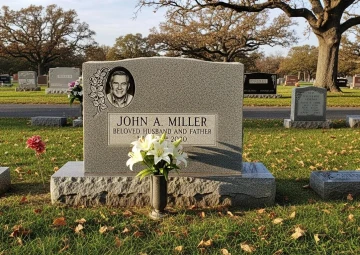
The retrofit chapter, because half of this category arrives as a question about an existing monument. Adding a name to a standing stone is routine work when the original design left room - and a quiet argument for planning ahead when it did not. Our letterers cut second inscriptions on-site or in-shop, matched to the existing letterforms and depths, and where the first stone was ours, the permanent design file makes the match exact to the original cutting. Where the first stone came from elsewhere, the studio matches from photographs and rubbings, a craft exercise our engravers genuinely enjoy and families genuinely cannot detect afterward.
When the existing monument cannot take the second name - too small, too full, too weathered - the choices are honest and few: a redesigned replacement carrying both names as one composition, or a companion piece set beside the original, matched in granite as closely as decades allow. The studio walks families through both with photographs and the 3D preview, and the replacement wins more often than people expect once they see both names composed together rather than appended. Appended never quite loses the look of an afterthought. Composed looks like it was always the plan, and from that day forward, it was.
What One Stone for Two Costs
The economics, briefly and honestly, because they favor this format and families should know it. A single headstone with two names costs meaningfully less than two separate memorials - one stone, one base, one foundation, one installation - and pairs with the double-depth plot's savings over two spaces, which together put a shared monument within reach at a tier two singles would strain. The design work, both names' standard inscription, the 3D and AR previews, two proof revisions, and cemetery verification come included as they do on every commission here.
The current terms carry the rest: 10% off with full payment, 20% for veterans and 15% for first responders paying in full, Klarna and Affirm financing to 24 months, 0% in-house plans to 12, and pre-need arrangements to 36 months interest-free with free storage and locked pricing - the pre-need route suiting this category especially, since so many of its pairs are living people deciding together. Through July 31, the Independence Day offer adds 25% off two or more monuments with full payment for families pairing this stone with another family project. Later second-inscription work is quoted plainly when its day comes, and the design file waits for that day at no charge, however far off it stays.
Seeing Both Names at True Scale First
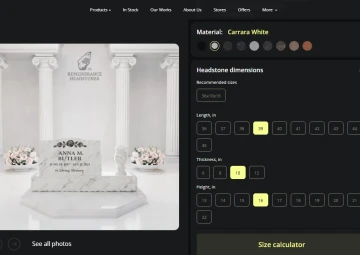
Every layout question this article raises answers itself visually, and the tools are on every product page. The configurator at remembranceheadstones.com sets both actual names in the chosen architecture - side by side, stacked, unified - on the chosen granite, rendered in 3D as the family adjusts, and the AR preview stands the finished stone on the plot at true size, where spacing and hierarchy either feel right or ask for one more revision. Two-name layouts are precisely where families change their minds most productively at the preview stage, because balance between two names is felt, not calculated, and feeling requires full scale.
The consultation rooms wait in Sacramento, Los Angeles, Laguna Woods, and Hesperia in California, Houston, Allen, and Dickinson in Texas, Tulsa, Edmond, and Enid in Oklahoma, Essington outside Philadelphia, Tukwila near Seattle, Roseland in New Jersey, and Orlando, with remote commissions serving families across New York, Illinois, Ohio, the Carolinas, Washington, Kansas, and Arkansas. Bring both stories, whoever the two of you were to each other. The layout will introduce itself about halfway through the telling - it nearly always does - and the stone that follows will say the relationship to strangers a century from now in nothing but spacing and letter height. That is the whole craft of this quiet category. Two names. One face. The right distance between them.