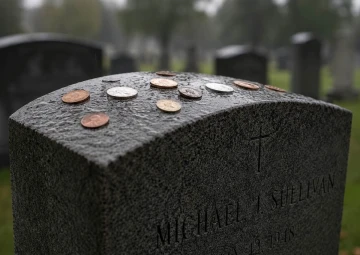
Walk through any veterans' section of an American cemetery — there's one outside Houston, Texas, one in Sacramento, California, one not far from Tulsa, Oklahoma — and you'll notice something on certain grave markers that isn't flowers or flags or wreaths.
Small. Round. Catching the afternoon light.
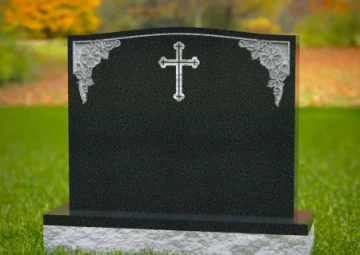
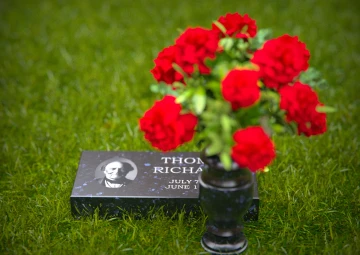
Coins. Sitting on the top ledge of a granite headstone, or resting flat near the base, or placed in the groove cut above a name. Sometimes just one. Sometimes several — different denominations, different years, one or two of them turned green at the edges from a season of weather.
People leave them deliberately. And the act carries meaning that most passersby don't know about, even if something about the coins stops them.
What Do Coins on a Headstone Mean
The short answer is this: coins on a headstone mean someone was there. That's the core — not a transaction, not a payment, but a mark of presence. A way of saying, in the smallest physical gesture possible, I visited. I remembered. I came.
That meaning predates American military practice by centuries. Ancient Greek and Roman funerary customs included placing a coin on the tongue or over the eyes of the dead — payment for Charon, the ferryman who carried souls across the river Styx into the underworld. Without it, the soul was said to wander. The coin was protection. Passage. A final act of care by the living.
What does a coin on a headstone mean in that older sense? Something between a gift and a prayer.
The modern American military version is different — more specific, more codified — but it comes from the same instinct. The instinct to leave something physical behind. To make the visit material rather than just mental.
Why Do People Put Coins on Headstones
No single answer covers everyone who does this.
Some leave a coin on a headstone because they were told to — it was what a grandfather did at a brother's grave, or something a unit did together after a burial, and it passed down without much explanation. Others know the specific meaning of each denomination and choose deliberately. Some leave a coin simply because they saw coins already there, felt the pull of the gesture without knowing its origin, and added their own.
Honestly, the persistence of the custom is partly in its ambiguity. Leaving coins on headstones doesn't require a specific religion, a particular cultural background, or any formal permission. It's accessible. Anyone standing at a grave, with a quarter in their pocket and something to say and no words for it, can leave that quarter on the stone and it carries weight.
There's also something practical about coins. Unlike flowers, which wilt and disappear within days, a coin on a headstone stays. It's weather-resistant. It marks time differently — not perishable, not decorative, just there. Permanent in the way that small metal is permanent.
Coins on Military Headstones — Each Denomination Carries a Different Message
This is where coins on headstones meaning becomes most specific, most codified.
The tradition of leaving coins on a military headstone gained prominence during the Vietnam War, when the political atmosphere made it difficult for veterans to speak openly about fallen comrades with their families. Leaving a coin was a way of communicating without words, of making contact across a divide that conversation couldn't easily cross.
The denomination matters on a military grave. A penny left on coins on a military headstones says: I was here. I visited. Nothing more complicated than that — just acknowledgment, presence, a note in metal.
A nickel on a military headstone carries a different message: I trained with you. We went through boot camp together. The nickel represents the specific shared experience of basic training, the bond that forms in that particular crucible.
A dime — the thinnest coin, the smallest — means: I served with you. We were in the same unit, the same theater, the same theater of operations. Coins on headstones military tradition treats the dime as a mark of shared service rather than just shared training.
A quarter is the heaviest message. A quarter on a military headstone means: I was with you when you died. It's left by someone who was present at the moment of loss — who witnessed it, who survived it, who carries it.
What do the coins mean on a headstone in a military cemetery? They're a quiet ledger of who showed up. They accumulate over time, each one from a different visitor, until some graves carry years of metal on their surface — pennies from casual visitors, quarters from the people who were there, and everything in between.
And then the coins are collected periodically by cemetery staff, and the money goes toward burial expenses for indigent veterans. The gesture completes a circle — from the living to the dead and back to the living who have nothing.
Significance of Coins on Headstones in Broader American Culture
The military practice is the best-known, but the significance of coins on headstones isn't limited to veterans' graves.
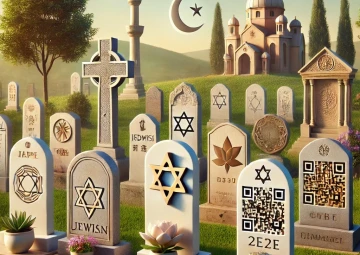
Coins left on headstones appear in Jewish cemetery traditions — sometimes alongside stones, sometimes separately, the meaning shifting depending on family custom and regional practice. In some communities, leaving a small coin at a grave is a way of symbolically fulfilling a charitable obligation, tzedakah, in memory of the person buried. What does coins on a headstone mean in that context? Something like: I gave something in your name.
The meaning of coins on headstones also shows up in folk traditions across Appalachia, the rural South, and parts of the Midwest that don't have any formal articulation — families who just do it because families before them did it, because the gesture of leaving something behind at a grave is a fundamentally human impulse that different cultures arrived at independently.
Coins on headstones meaning, in its broadest sense, is about the relationship between the living and the dead. The stone is permanent. The coin is a gesture in time — left by a specific person on a specific day, weather-beaten and outlasting the visit.
Coin on a headstone, whatever the background of the person who left it, says: this grave was not forgotten today.
Rocks and Coins on Headstones — Two Traditions, One Common Instinct
Rocks and coins on headstones are sometimes seen side by side on Jewish graves, and the distinction between them is worth understanding because the traditions come from completely different places.
The Jewish practice of placing a stone on a grave — a pebble, a small rock, placed on top of the marker — predates coins by a very long time. One explanation traces it to practical necessity: before modern grave markers, piles of stones marked burial sites and prevented disturbance. Adding a stone was maintenance, a contribution to the cairn, a way of ensuring the grave remained visible. Over time the function became symbolic — a stone is enduring in a way flowers aren't, and placing one is a way of saying, someone was here, and they will be remembered.
The Hebrew word matzevah refers to the grave marker itself — and the act of placing a stone beside it extends the marker's meaning into something active. The stone you place is your stone. Your mark of having come.
Coins on headstones in Jewish tradition, where they appear, carry a different energy — often charitable in implication, connecting the visit to the value the deceased placed on giving. The two gestures can coexist at the same grave without contradiction.
What do coins mean on a headstone in a context where rocks are also placed? Each one belongs to a different visitor, a different tradition, a different relationship with the person buried. The grave accumulates them all.
Coins on Headstones and the Question of What Lasts
This is where the topic touches something that families think about when they're ordering a memorial in the first place.
The coins left on a headstone are temporary. They get moved, collected, lost to weather, pocketed by curious children. What remains is the stone.
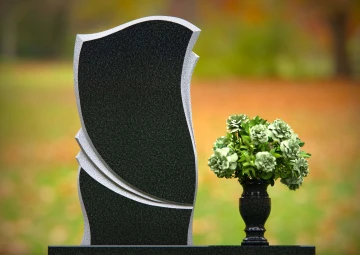
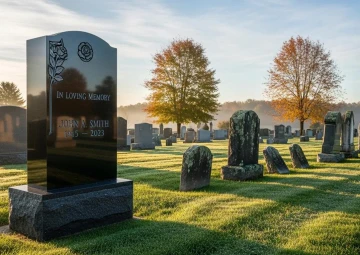
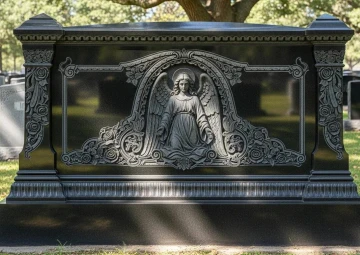
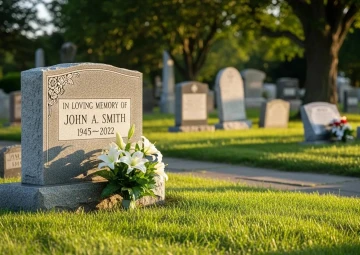
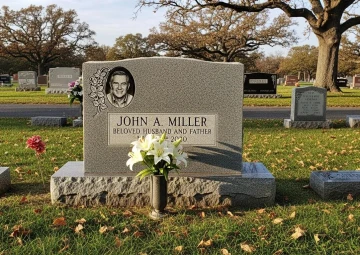
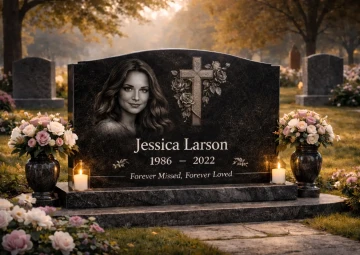
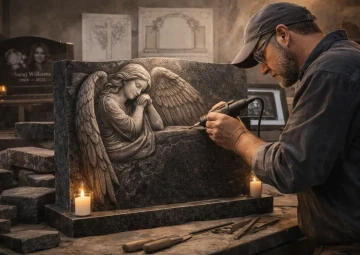
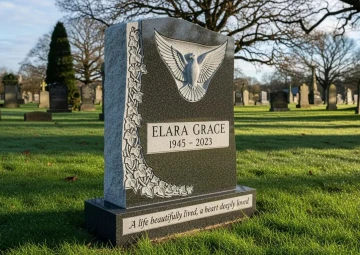
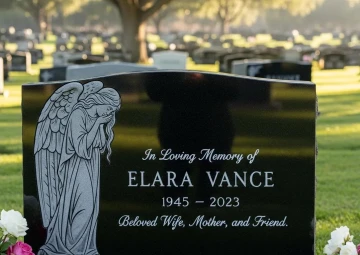
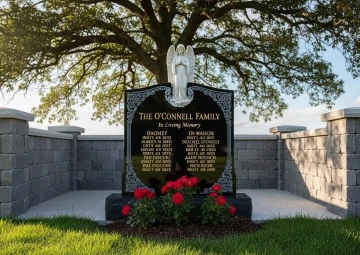
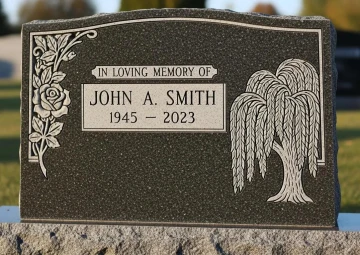
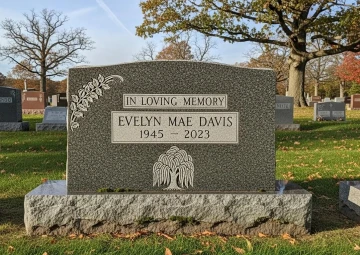
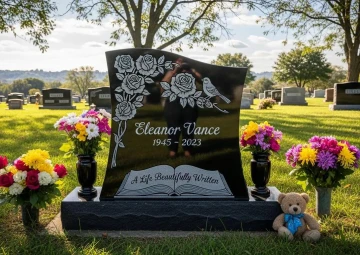
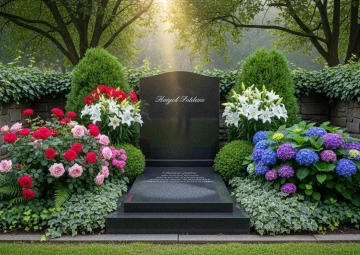
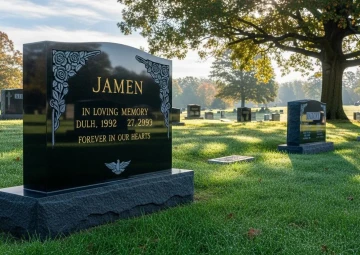
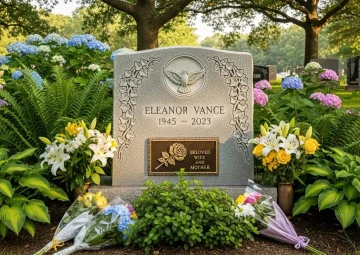
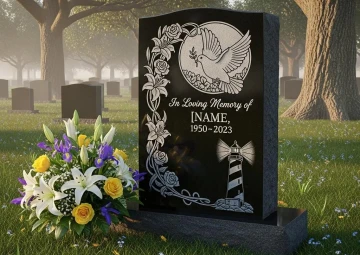
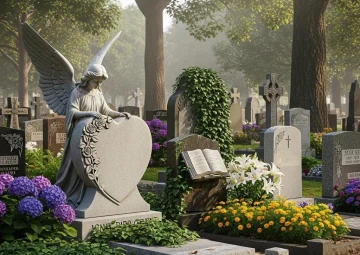
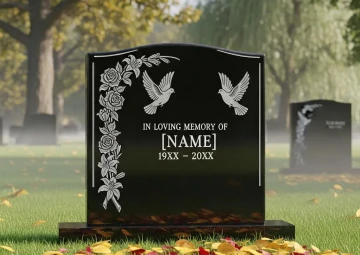
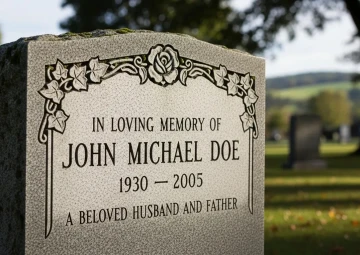
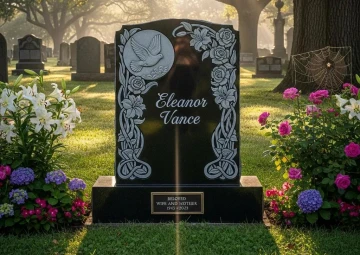
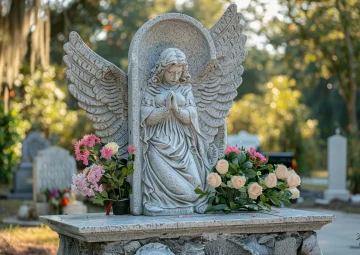
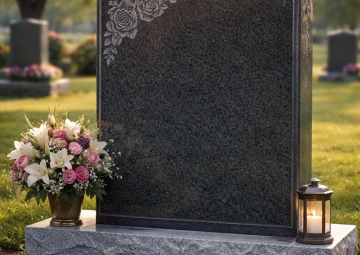
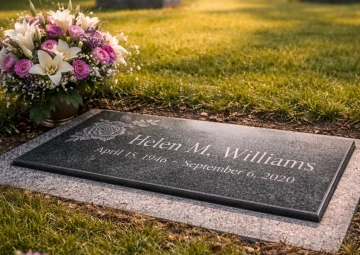
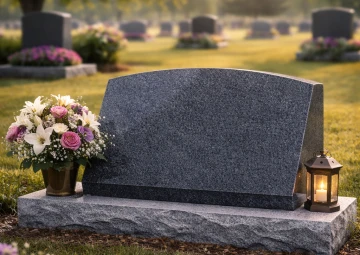
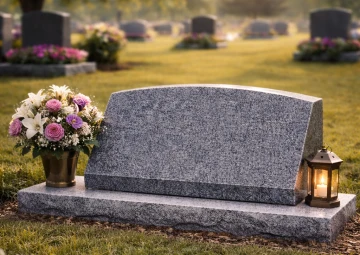
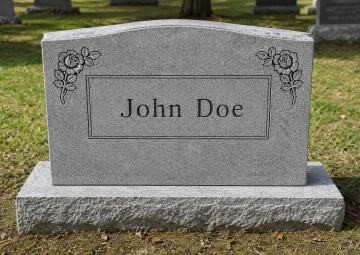
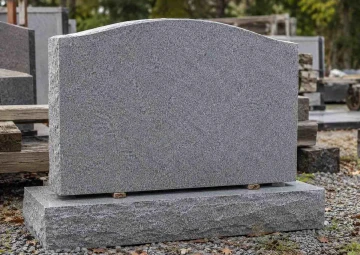
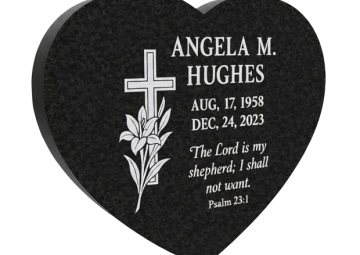
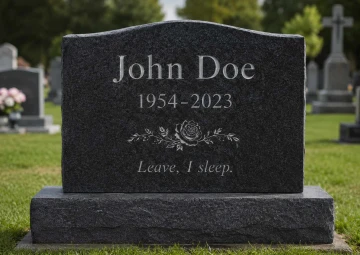
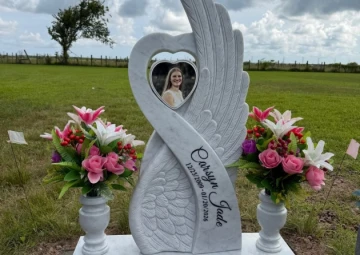
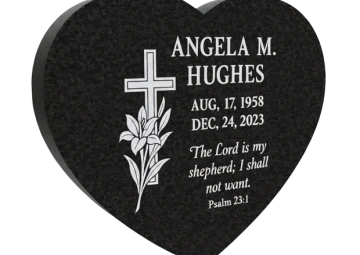
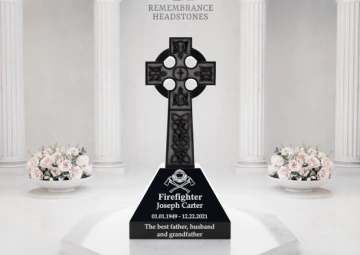
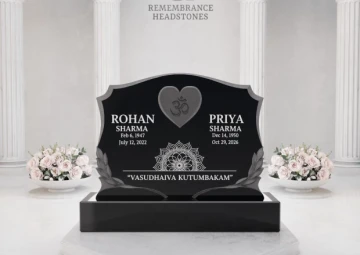
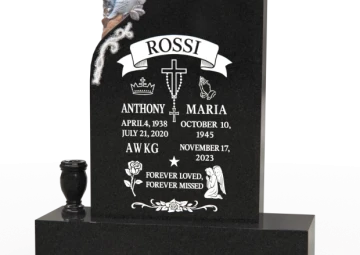
The headstone is what carries the name for a hundred years. It's what future generations will find and touch and photograph. Coins on headstones are a living tradition — changing, accumulating, dissolving with weather — but the granite underneath them is the fixed thing, the thing that makes all those visits possible because it holds the name and the dates and the imagery that tell a stranger who is buried here.
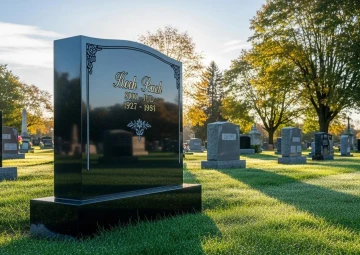
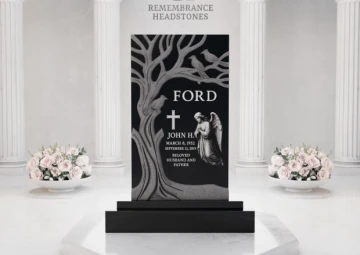
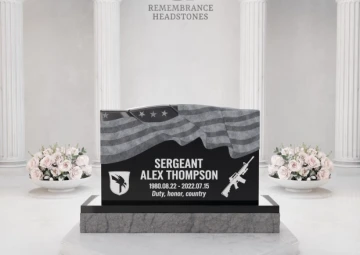
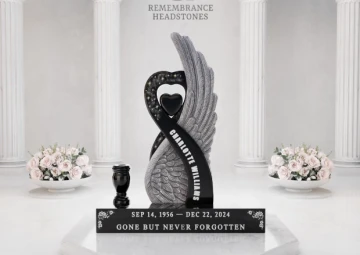
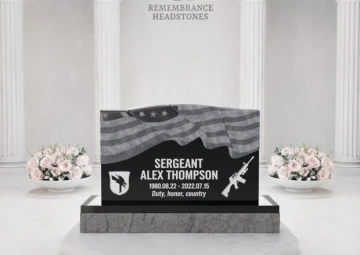
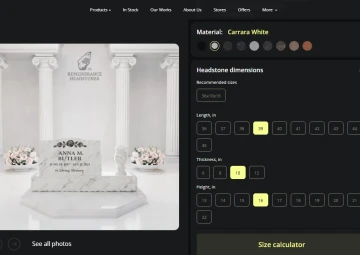
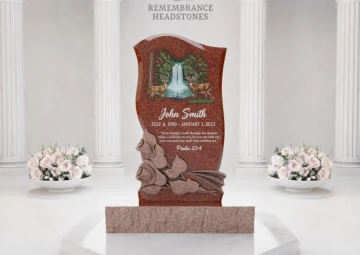
A well-made headstone in Indian Black granite or Elite Grey or Blue Pearl, with clean engraving that holds its definition for decades, is the foundation of that. Remembrance Headstones works from the same core commitment: the stone should last as long as the memory is meant to last. Custom 3D design previews and AR visualization on each product page let families see exactly what they're building before anything is cut — the proportions, the text, the imagery, rendered onto the actual granite color. Because what goes under those future coins matters.
Showrooms are open across 14 locations: Sacramento and Carmichael and Glendale and Hesperia in California, Houston in Texas, Tulsa and Edmond in Oklahoma, and across 8 states in total. Families in North Carolina, in Pennsylvania, in Illinois, in New Jersey, in Ohio — all served through the online configurator and nationwide delivery.
After-hours visits by appointment. Every stone backed by a lifetime guarantee.