Two separate topics get covered together here: growing something instead of placing a stone, and placing a stone that is not the usual shape.
Tree Pod Burial, and What Is Actually Available
Those images of a forest of trees growing from egg-shaped pods come from the Capsula Mundi project, an Italian design idea that has circulated online for over a decade.
Here is where things actually stand. The full-size burial pod itself, containing a body in a foetal position inside a biodegradable egg with a tree growing above it, is a concept only. It has not been brought to market. The designers did produce a smaller urn version for cremated remains, and that one is real and can be bought.
The images of pod forests you have seen are renderings, not photographs of existing sites.
That does not mean the idea is unavailable. What is available in reality, and what is actually for sale, is the following.
What You Can Actually Do
Biodegradable urns with a tree. A cremation urn made of paper pulp, coir or clay, incorporating a seed or a sapling. The urn is buried and a tree grows from the spot. These are real, widely available and affordable, from around 100 to 300 dollars.
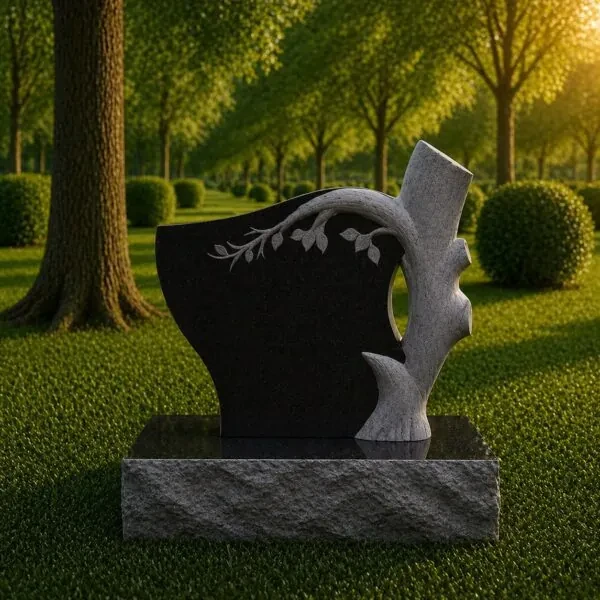
Green and natural burial with a tree marker. Full body burial in a natural burial ground, with no embalming, vault or conventional casket, with a tree or shrub planted as the marker instead of a stone. This is available at many natural burial grounds and is closer to the original idea than anything sold as a pod.
Conservation burial grounds, where the burial fee finances permanent preservation of woodland. The strictest level of green burial and the closest to the original woodland idea.
Memorial tree planting, without any remains involved at all. This is the most widespread option, and it is described below.
Tree pod burial cost, where somebody offers it, is generally the cost of a green burial plot plus the urn or shroud. Expect 2,000 to 5,000 dollars for a natural burial at a hybrid ground, and more at a conservation ground where the plot fee funds land protection.
Tree pod burial locations are, in reality, natural and conservation burial grounds. Search for those rather than for pods. The Green Burial Council maintains a certified provider list and it is the sensible starting point.
Memorial Tree Planting
The most common form, and it does not need any remains at all.
Planting a tree in your own garden. Nothing to organise, total freedom of choice, and the only consideration is that you may move away.
A tree dedication programme through a park or municipal authority. Most cities and many parks run these. Prices typically range from 500 to 3,000 dollars depending on the location and whether a plaque is included, and the dedication period is usually ten to twenty years rather than permanent. That is worth knowing before assuming otherwise.
Dedication of a tree through a conservation charity. Many plant trees in reforestation projects in somebody's name, typically for 25 to 100 dollars. There is no specific tree to visit, and for many families that is perfectly fine.
Planting a tree in a memorial garden at a cemetery. Some grounds permit this, and a few, such as arboretum-accredited cemeteries, are built around it.
Choosing the tree matters more than many people realise. Choose something suited to the site rather than something symbolic that will struggle, and check the mature size against the space available. The commonest failure in memorial tree planting is a species that outgrows its position and has to be removed in fifteen years.
Memorial Tree Plaques
Whatever the setting, a tree usually needs something naming it, or in twenty years nobody will know why it is there.
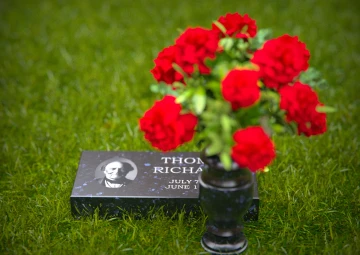
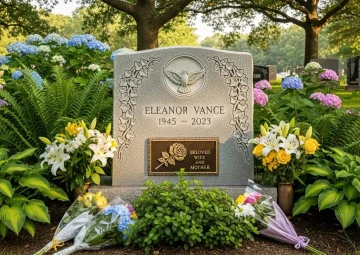
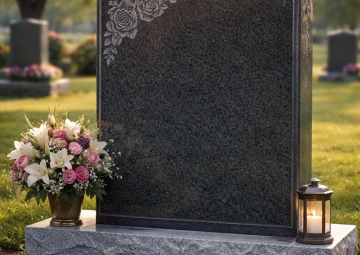
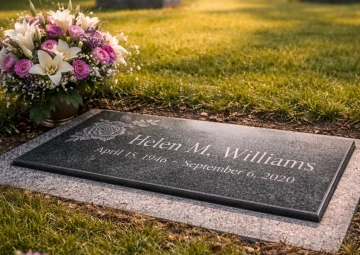
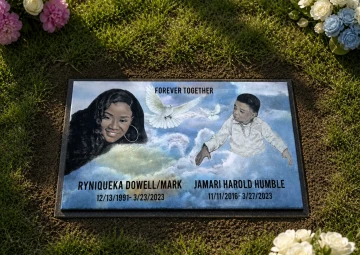
A flat ground-level granite plaque placed at the base of the tree. Permanent, maintenance-free, and it does no harm to the tree. Around 100 to 300 dollars.
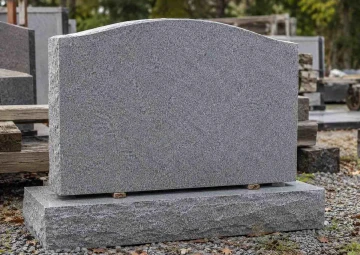
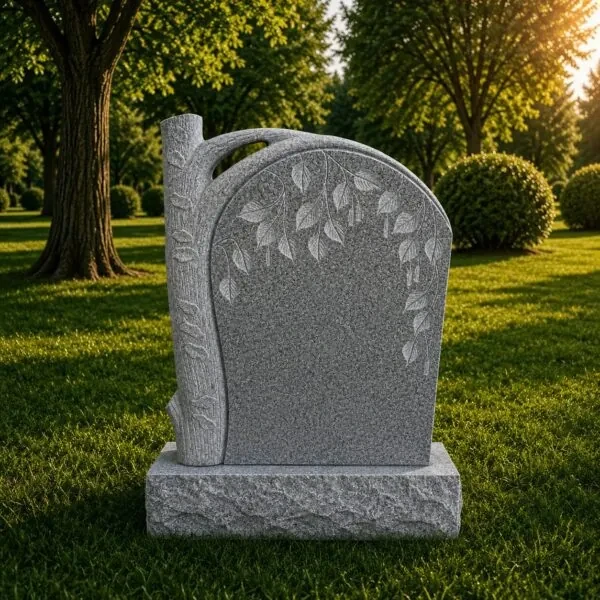
A boulder with an engraved face set beside the trunk. Handsome, and it will not be lost under leaf litter.
A bronze plaque mounted on a stake or a low post. Traditional, and it needs waxing once or twice a year or it darkens to brown within a decade.
Do not fix anything to the tree itself. Plaques nailed or screwed to a trunk damage the tree, the fixings become embedded in the bark as it grows, and the plaque ends up crooked and buried. Arborists universally advise against it, and any park programme will refuse it.
Set the plaque far enough from the trunk that root flare growth will not reach it in twenty years.
Tree Urns and Christmas Tree Urns
Two completely separate things that are often searched together.
A tree urn is a biodegradable cremation urn incorporating a seed or sapling, as above. Buried, it grows into a tree.
A Christmas tree urn is something else entirely. It is a small keepsake urn shaped like a tree ornament, hung on the tree each December. This is a growing category and it exists because a great many families want the person present at Christmas specifically, which is the hardest day of the year for most bereaved people.
They typically hold under one cubic inch, cost 30 to 100 dollars, and come in metal, glass and ceramic. As with any keepsake urn, seal it with the adhesive supplied rather than relying on the screw alone.
Heart Shaped Headstones and Urns
The most requested non-rectangular form, and some practical information is worth knowing.
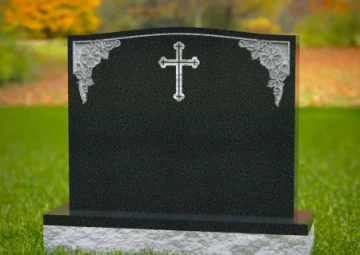
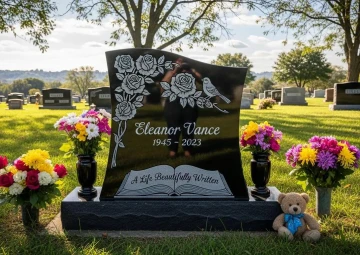
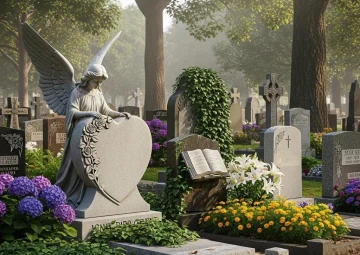
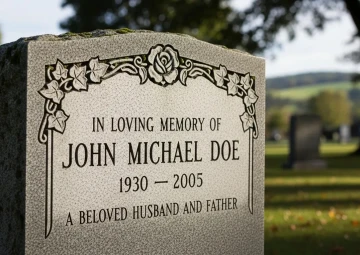
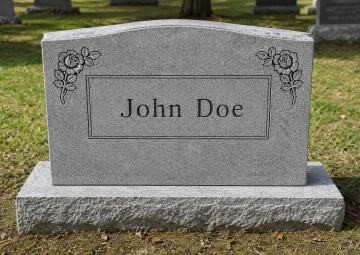
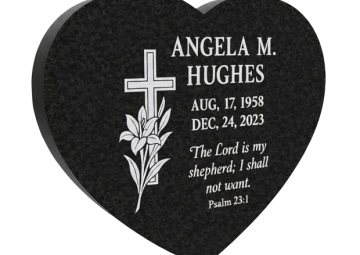
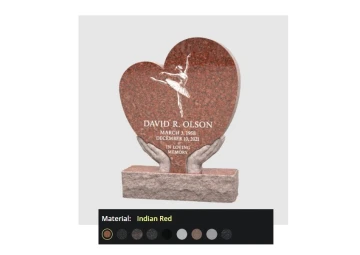
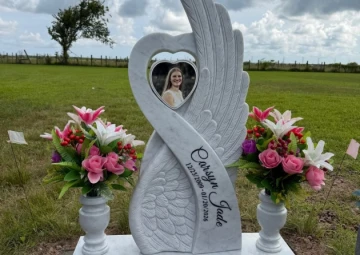
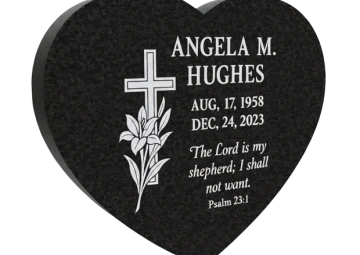
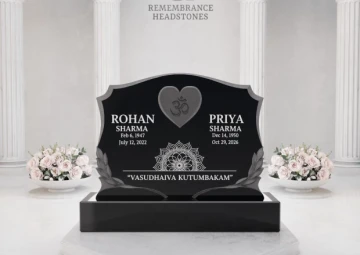
A heart shaped tombstone is carved from the same granite as any other memorial, simply shaped rather than rectangular. It costs more than a plain tablet of the same size for one reason: the yield from the block is lower, and the waste is priced in.
Expect a 20 to 50 per cent premium over a rectangular stone of comparable size.
They read well at small sizes and less well at large ones. A modest heart on a base looks elegant. A very large one starts to look like a valentine, and the families who are happiest with the form generally chose a smaller one.
Double hearts, two joined shapes for a couple, are a common companion format.
Cemetery approval is required as with any shape, and some sections restrict outlines. Check before designing.
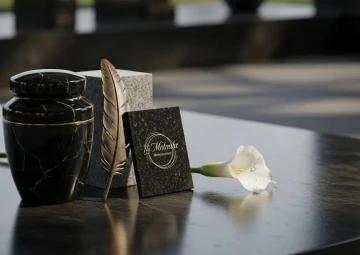
A heart shaped urn is the second most popular urn shape after the plain cylinder, in ceramic, metal and stone. A heart urn necklace is the most-sold form of cremation jewellery, and a heart urn necklace for ashes needs no special justification.
Other Non-Standard Shapes
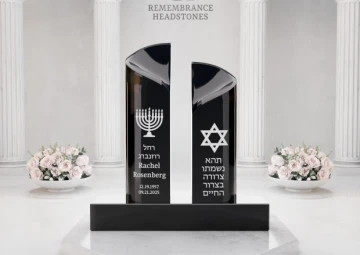
Worth knowing what is possible, since most catalogues show only rectangles.
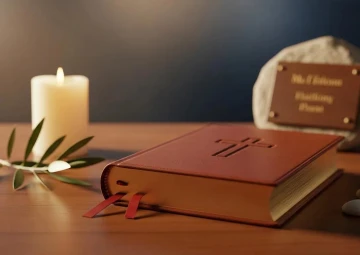
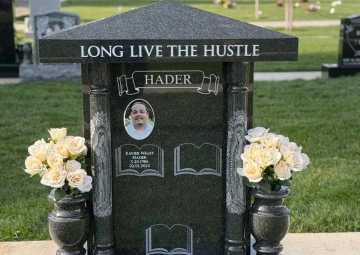
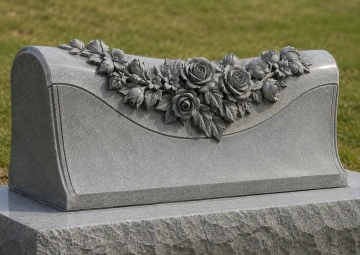
Book shapes, open or closed, traditional for teachers, clergy and readers.
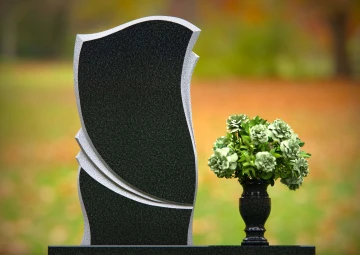
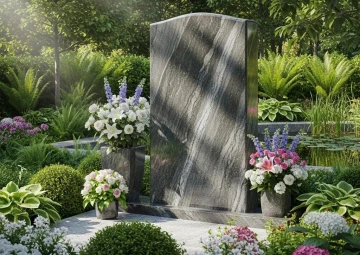
Natural boulder monuments, a natural stone with one polished face, which look nothing like a typical cemetery marker.
Teardrop and shield outlines.
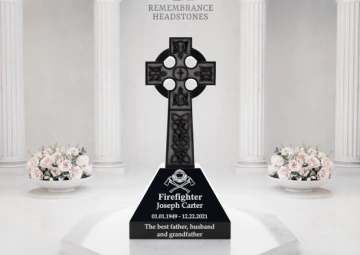
Cross shapes, cut as the whole stone rather than carved on it.
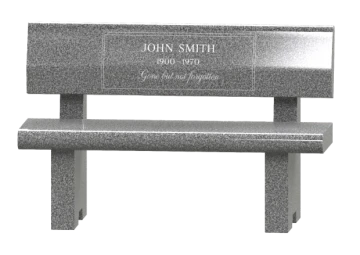
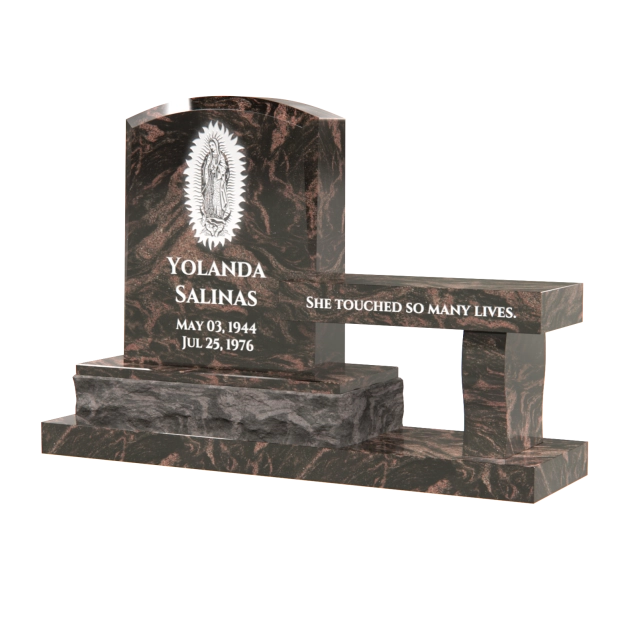
Bench memorials, which are somewhere to sit and a memorial at the same time.
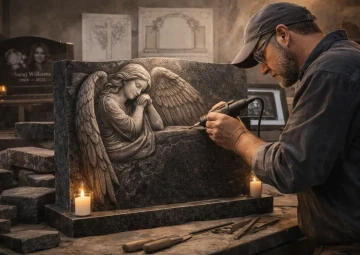
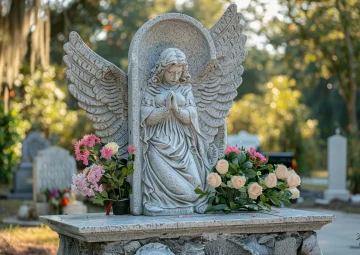
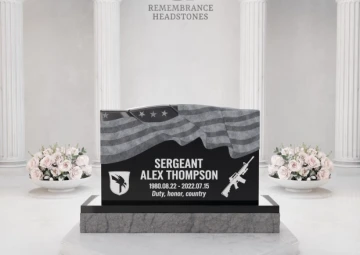
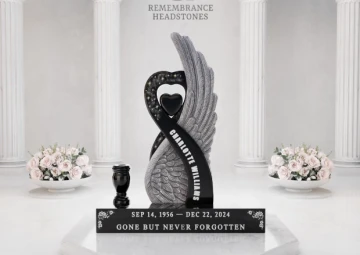
Sculptural work, which is a different order of commission and priced individually.
There are three practical considerations for all of these forms.
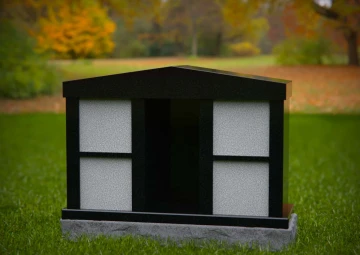
Cemetery regulations. Section specifications restrict height, width and sometimes outline. A shaped stone that exceeds the restrictions cannot be installed.
Cost. Any deviation from the standard shape lowers the yield from the block, and the price reflects it.
Durability. Narrow projections, thin necks and delicate outlines are the weak points of a stone. A shape with a narrow point at the top of a tall stone will break sooner or later, and a good carver will tell you so.
The Question Underneath All of This
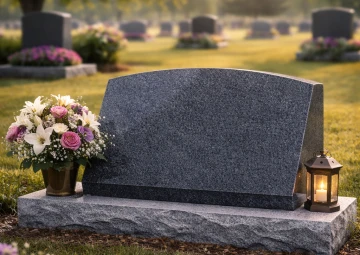
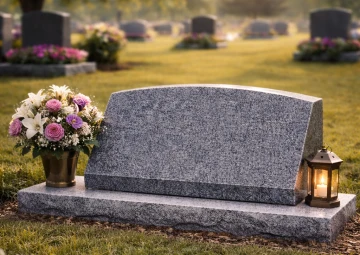
Almost every family choosing a non-standard memorial is trying to solve the same problem. The standard rectangle does not feel like the person.
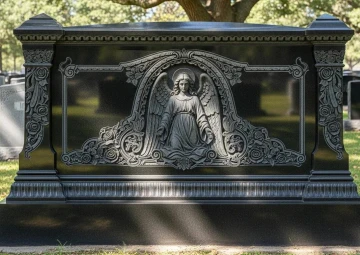
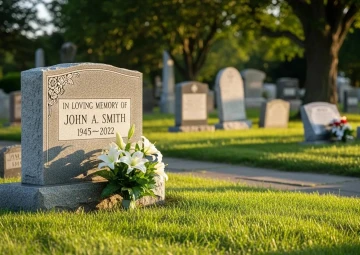
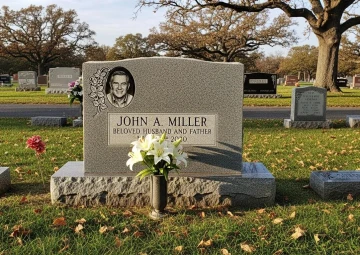
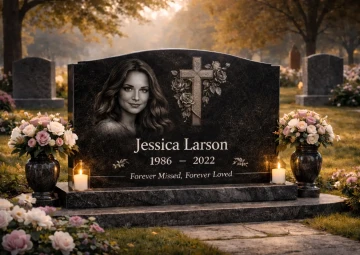
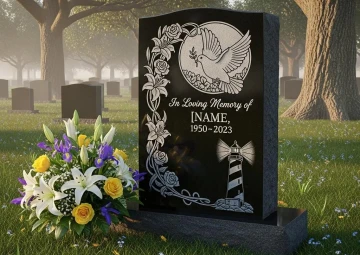
That is a legitimate reason, and there are two ways to go about it. Change the shape of the stone, which costs more and is restricted by cemetery regulations. Or change what is on it, which costs less and has no restrictions at all.
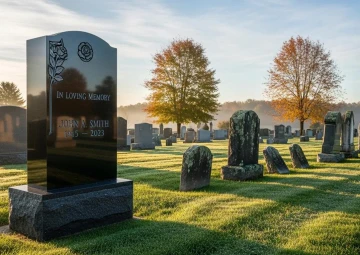
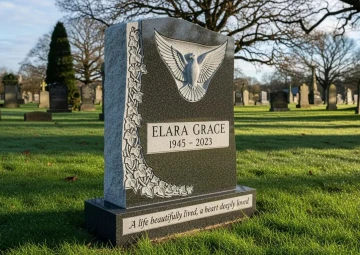
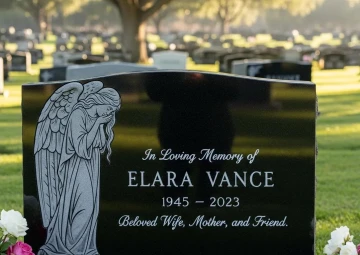
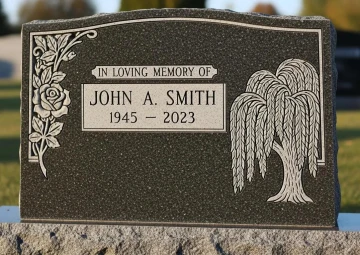
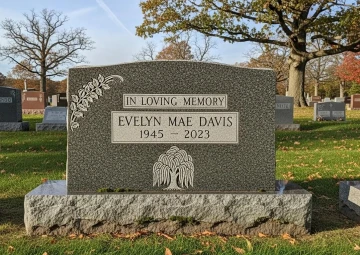
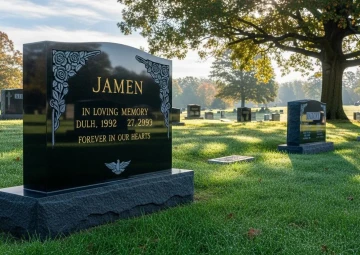
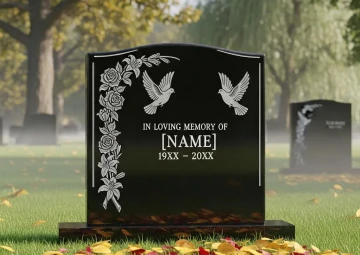
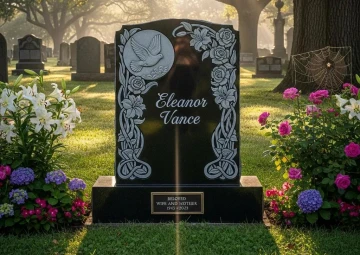
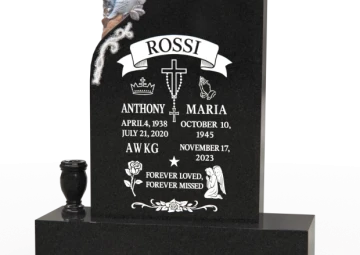
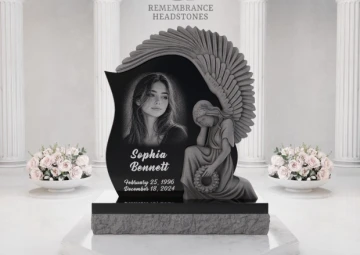
A plain tablet with a carved landscape, an etched portrait, a line in her own handwriting or a phrase nobody else would understand is more characteristic of one person than any outline, and it will be legible in a hundred years.