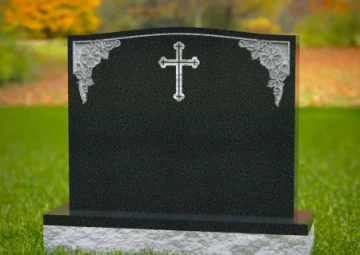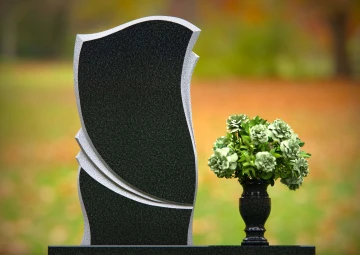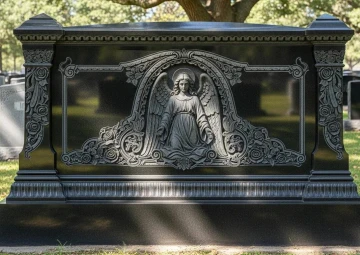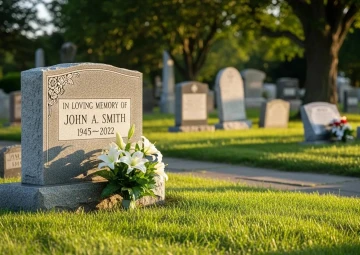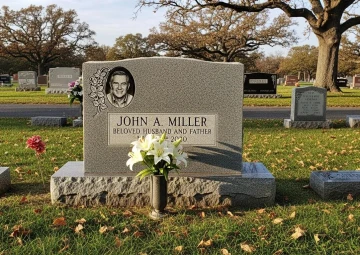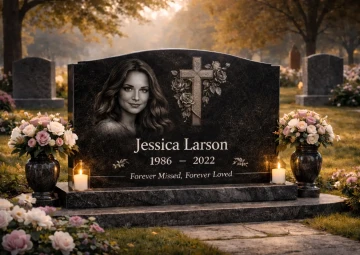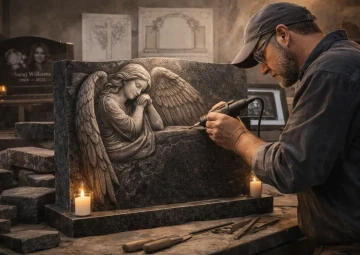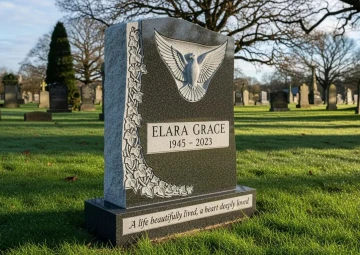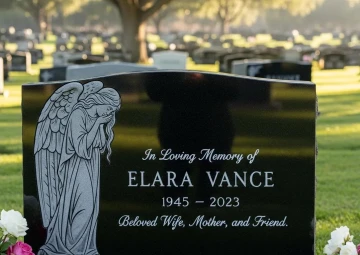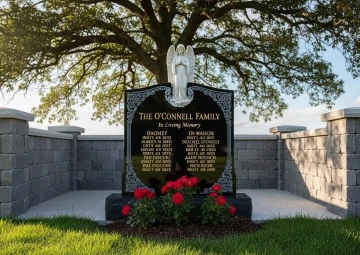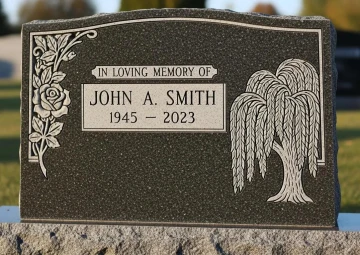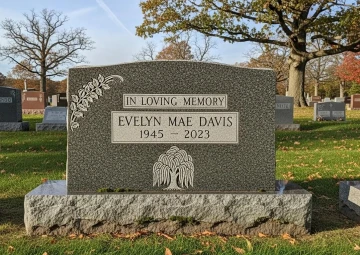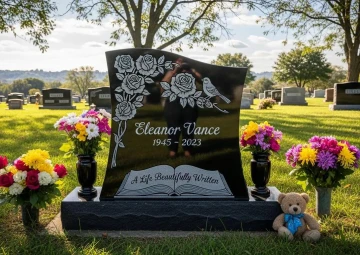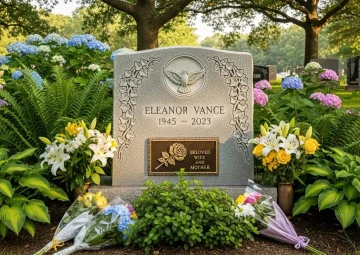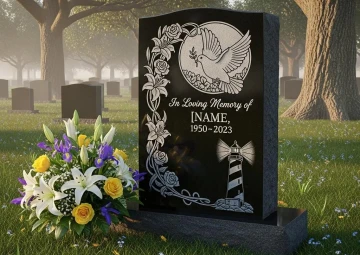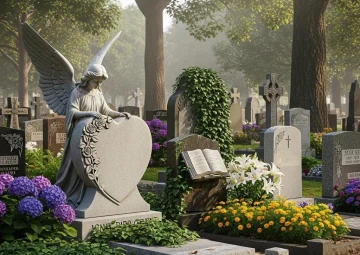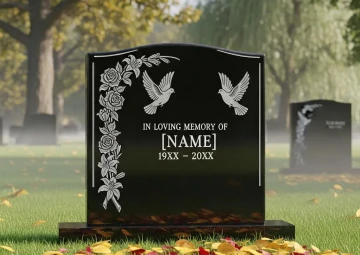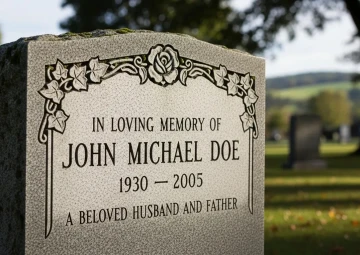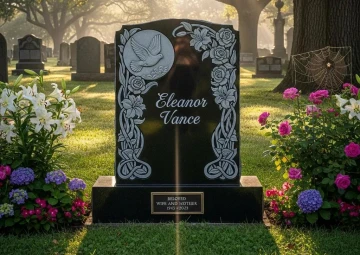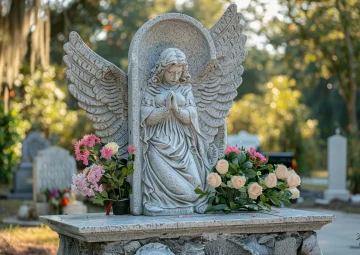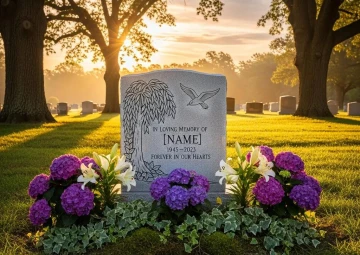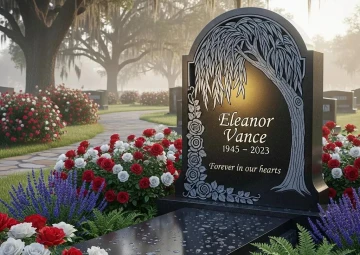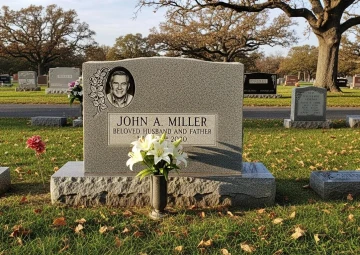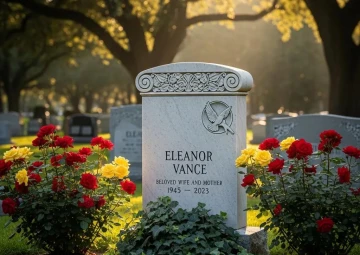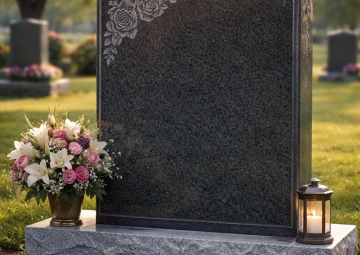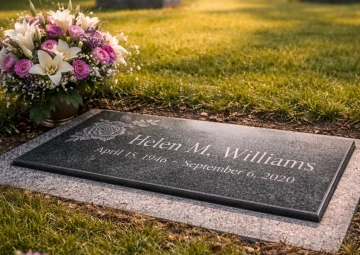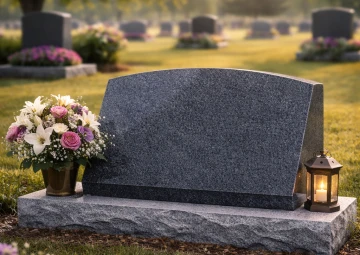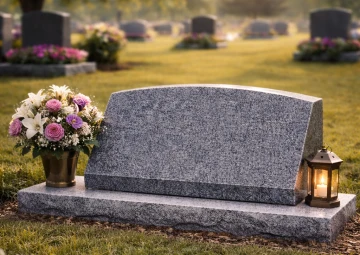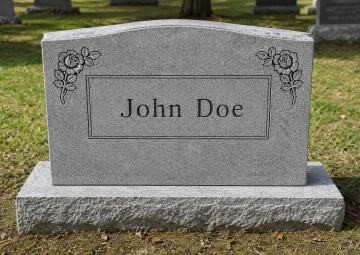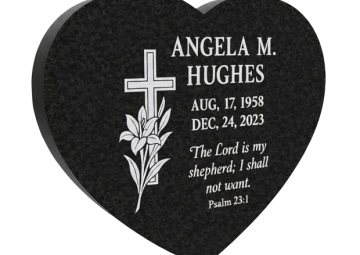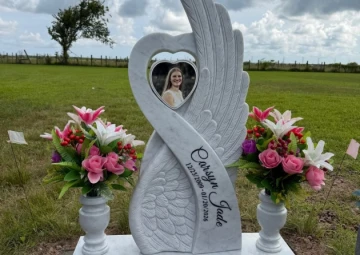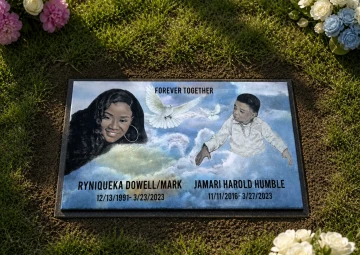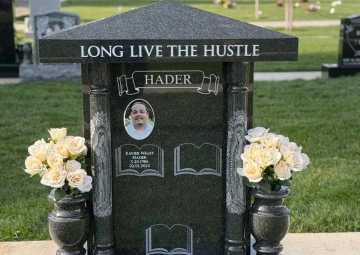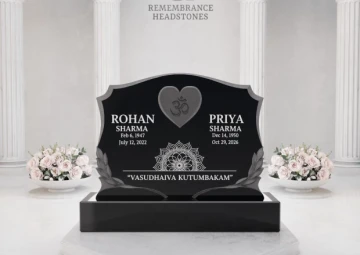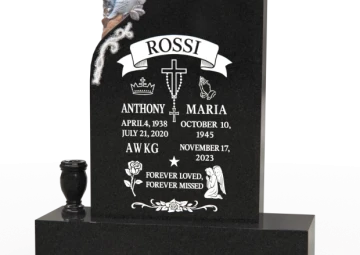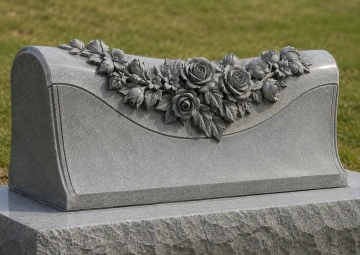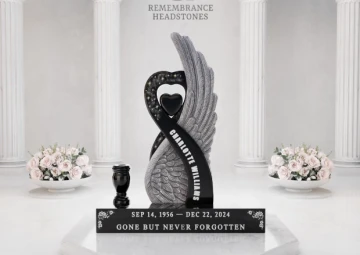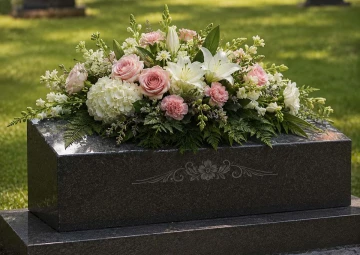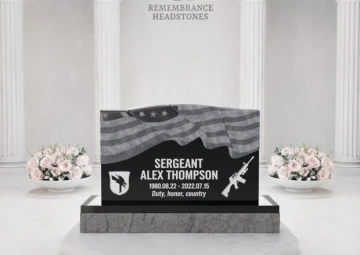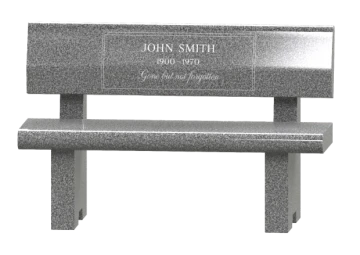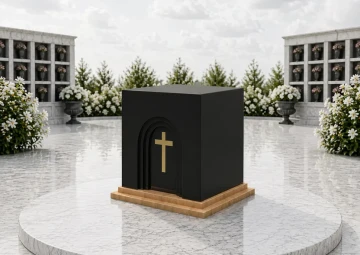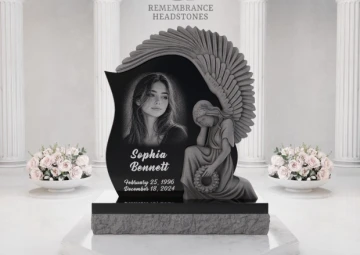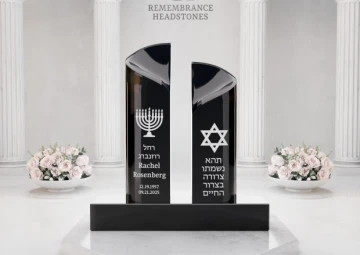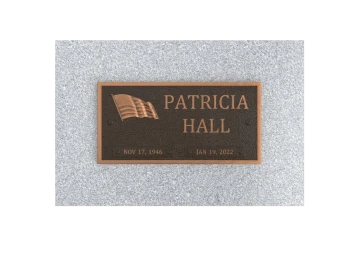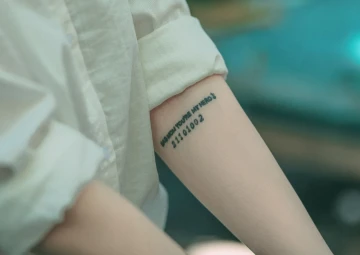
We cut memorials in granite rather than into skin, so the subject may look peculiar for us. It is not, and the reason is that the decisions are the same decisions.
Both are permanent. Both have to hold a whole person in a very small area. Both are usually made in the months after a death by somebody who is not thinking clearly. And both are chosen by people who then live with the result for decades.
Almost everything we know about what families regret on stone transfers directly.
The Rules That Transfer Exactly
Less text ages better. The most consistent finding about headstones is that families who shortened the inscription are glad and families who filled the stone are not. Tattoos behave the same and worse, because ink spreads over years and dense lettering closes into an illegible block. A tattoo artist will tell you the same thing about line spacing that a stone carver will tell you about letter depth.
Specific beats general. He never missed a game outlasts forever in our hearts on a stone and on an arm. The generic line is what every family has. The specific one is unique to yours.
Dates need a decision. Birth and death, or one, or neither. On a stone both are conventional. On skin a great many people find a death date is a hard thing to look at every morning for thirty years, and choose the birth date or nothing.
Read it aloud before deciding. Anything awkward spoken is worse permanent.
Check the spelling twice and have somebody else check. The commonest permanent mistake in both fields, and misspelled memorial tattoos are a genuinely well-known problem in tattoo shops.
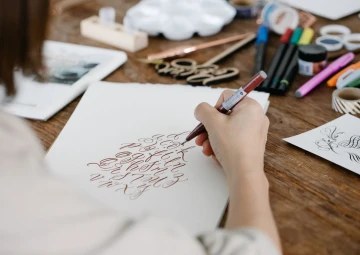
Handwriting Is the Best Option in Both
The single most affecting choice available, and it is underused in both.
A signature, a phrase from a letter, a note on the fridge, the way she wrote your name. Reproduced exactly as written.
For a stone we cut it from a scan of the original. For a tattoo the artist traces from the same scan. In both cases the source needs to be a clear high-resolution photograph or scan of the original document, not a photograph of a photograph.
People who choose handwriting rarely regret it, because it is unmistakably theirs and cannot be generic. A stranger reading it in fifty years is looking at the person's actual hand.
Practical note: find the source material and scan it now. Letters and cards get lost during a house clearance, and people who intended to use a signature frequently discover two years later that every example has gone.
Memorial Tattoos for Mom
The most searched of all of them, and the designs divide into recognisable groups. Mother memorial tattoos cluster around five ideas.
Handwriting, as above. A signature or love Mum from a card.
Her flower. Whatever she grew, or her birth flower. Roses dominate, and the ones that work best are the specific variety she actually had rather than a generic bloom.
A portrait, the hardest option to get right and the most often regretted. Portrait tattoos need a specialist and a good reference photograph, and a mediocre portrait of your mother is worse than no portrait. This is the one decision worth travelling for and waiting months to book.
A shared object. Her ring, her teacup, her sewing scissors, the pattern on her kitchen tiles. These are the ones people are happiest with at ten years, because they mean nothing to strangers and everything to the wearer.
Dates, in Roman numerals or plain.
The same pattern repeats here as on stones. Mothers get designs about what she gave. It is worth asking whether that fits your mother, or whether something she did fits better.
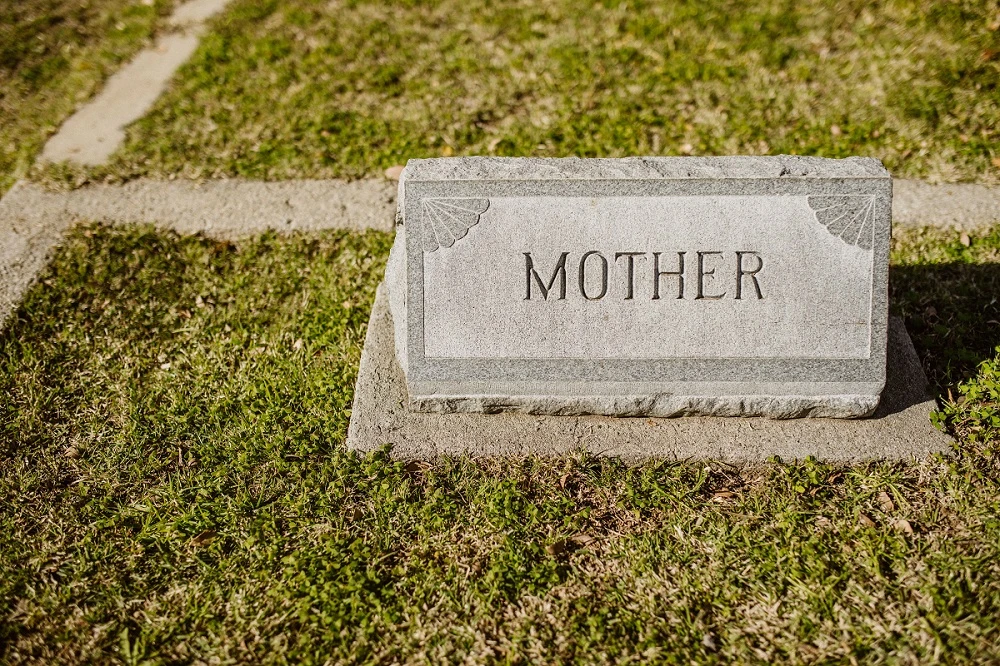
Memorial Tattoos for Dad
The same shift as on stones. Fathers get designs about what he did, and dad memorial tattoos are the second most searched category after mothers.
His trade. Tools, a truck, a hard hat, a fishing boat, a service insignia.
His hobby. A particular car, a bird he watched for, the team he supported.
Handwriting once again, the strongest option.
A phrase he said often, which for fathers is frequently the best choice available.
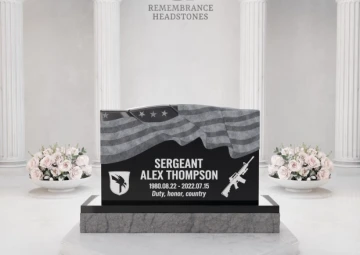
Military insignia where relevant, and the same caution as on a stone: rank abbreviations and decoration precedence follow the service's conventions, and anybody who served will notice if they are wrong. That applies equally to father memorial tattoos and to tattoos memorial dad designs taken from a photograph of his uniform.
Memorial Tattoos for a Grandmother
A distinct and large category, and the designs skew domestic and specific. Memorial tattoos for grandma tend to reference the house rather than the person.
Her recipe, in her handwriting. The most commonly chosen and probably the best idea in the whole genre: the actual recipe card, traced exactly, flour marks included.
Her jewellery. A brooch, a locket, a particular ring.
A quilt pattern, a china pattern, the wallpaper in her hall.
Her chair. Her cat. The view from her window.
Grandmother memorial tattoos are frequently described as people's favourite tattoo, and the reason seems to be that grandchildren choose small domestic detail rather than grand symbolism. Memorial tattoos grandma designs almost never involve dates.
Memorial Tattoos for a Brother or a Sister
Sibling loss is constantly under-acknowledged and the tattoos reflect it. Memorial tattoos for brother or sister tend to be private and to reference shared history rather than public identity.
An inside joke. A place. A date that means nothing to anybody else. Coordinates. A shared childhood object. Matching designs across surviving siblings, which is common and works well.
If you are choosing something for a brother or sister, there is no convention to satisfy and the most private option is usually the right one.
Pet Memorial Tattoos
The fastest-growing category, and there is no reason to treat it as lesser.
A paw print, with one practical note. If the animal is still alive or recently died, take an ink print. Most vets will do it at the end. A real print is far better than a generic paw shape and it is available only for a short window.
A portrait. Animals are technically easier to tattoo well than human faces, because the eye is less critical of an approximation, so pet portraits succeed more often.
A silhouette or line drawing from a favourite photograph.
The name in your own handwriting, or in the shape of the collar tag.
Whiskers, ears or a nose print.
Dog memorial tattoos outnumber every other animal by a wide margin, and the commonest regret is choosing a generic breed image rather than working from a photograph of that specific dog.
Where the Two Fields Genuinely Intersect
Three practical notes from watching families make both decisions.
Do not make either in the first month. The impulse is strongest and the judgement is worst. Every tattoo artist worth booking will say the same, and so will any honest monument company. There is no deadline on a stone and there is certainly none on a tattoo.
Gather the source material immediately anyway. Handwriting samples, photographs, prints, recipe cards. Those disappear during house clearances. The decision can wait; the evidence cannot.
A stone and a tattoo can carry the same thing. Families increasingly use the same handwriting, the same motif or the same line in both, and there is something to that. The stone is where other people go to remember. The tattoo is what you carry.