Behind most of these searches is a question of division: how to divide something that cannot really be divided, among people who all want it.
An adult cremation produces four to six pounds of ashes, and there are frequently four children, two of them living in other states. Keepsake urns exist because of that arithmetic, and the practical detail matters more than the aesthetics.
Sizing, Which Nobody Explains Properly
Urn capacity is measured in cubic inches, and there is one industry rule.
One pound of body weight before cremation equals approximately one cubic inch of ashes.
So a person who weighed 180 pounds needs at least 180 cubic inches, and 200 cubic inches is the standard adult urn size that covers most cases.
Keepsake urns hold a fraction of the total, 3 to 20 cubic inches. That is a spoonful to a small handful, and it is enough for each child to have something meaningful while the main portion is buried, scattered or placed in a niche. Small keepsake urns at the lower end of that range are what most families buy.
Sharing urns or companion keepsakes run 30 to 50 cubic inches, for somebody who wants more than a token.
Buy on capacity, not on external size. Many decorative urns with heavy bases and thick walls are far smaller inside than they look, and discovering that at the crematorium is not the moment for it.
Dividing Ashes Between Family Members
Worth stating plainly, because families are often unsure whether it is even permitted.
It is legal in the United States. Ashes are not treated the way a body is and there is no restriction on dividing them among relatives.
The crematorium or funeral home will do it if you ask, and that is much the easiest route. Say how many keepsakes you need and supply them in advance, or ask the funeral home to provide temporary containers to transfer later.
Doing it yourself is entirely possible, and the practical advice is to do it outdoors or over a large sheet, use a funnel, and let one person do it rather than a committee. Most keepsake urns come with a funnel; if yours did not, a paper cone works.
Some traditions object. Orthodox Judaism, Islam and traditional Catholic teaching all have positions on cremation and on the disposition of remains, and Catholic guidance specifically discourages dividing ashes. If that matters to your family, it is a conversation for your clergy.
Keepsake Urns for Human Ashes
Four main types, and what each is actually for.
Metal keepsakes. Brass, pewter or stainless steel, usually 3 to 6 cubic inches, with a threaded lid. Economical and robust, and the standard for distributing among children. 30 to 80 dollars each, frequently sold in sets of four. Most keepsake urns for ashes bought in the United States are this type.
Cremation jewellery. A pendant, ring or bracelet holding a very small amount, usually under one cubic inch. The point is wearing it rather than storing it, and the fill is closed with a small screw and adhesive.
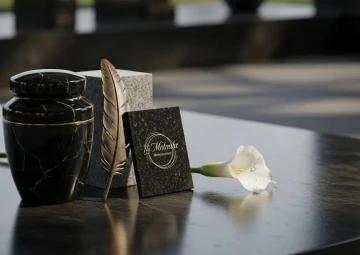
Granite and stone keepsakes. Durable, permanent, and the choice for anything going outdoors or into a garden. They do not corrode, need no maintenance, and survive weather that destroys metal.
Glass and ceramic. The most beautiful and the most fragile. Right on a mantelpiece, wrong anywhere they might be knocked.
For a keepsake that will sit on a mantelpiece for forty years, metal or stone. For one going into a garden or a memorial bed, stone only.
Unique and Decorative Urns
This market has expanded enormously, and the only real guidance is about matching the object to its destination.
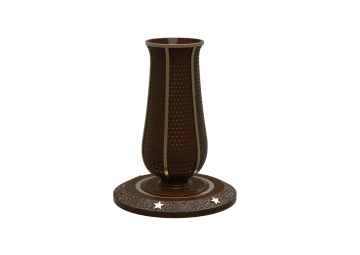
Almost anything works for a home. Wood, ceramic, hand-blown glass, cloisonné, hand-painted pieces, custom urns made to look like something the person loved. A decorative urn is limited only by size and taste, and decorative urns in every finish are now widely available.
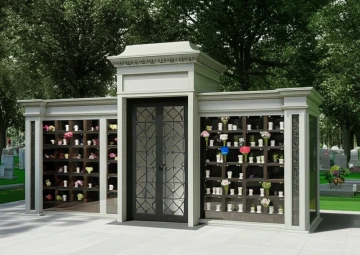
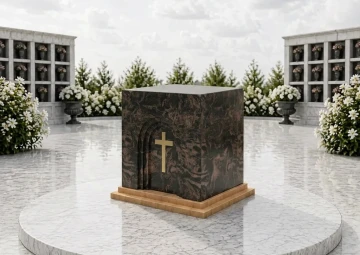
For a columbarium niche, check the internal dimensions first. Niches are standardised and figurative or wide urns frequently do not fit. Cemeteries publish the dimensions or will tell you if you ask, and this is the single most common expensive mistake in the category.
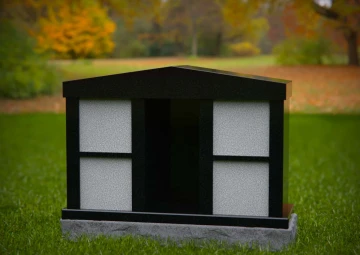
For burial in a plot, most cemeteries require an urn vault, and the urn itself needs to be robust rather than decorative. Some specify the material.
For scattering at sea, a purpose-made biodegradable water urn, which floats briefly then sinks and dissolves. A standard soil urn will not behave predictably in water.
For outdoors, granite or bronze. Ceramic and wooden urns will not survive a winter.
The most requested unique urns are not exotic materials but ordinary objects: a toolbox, a biscuit tin, a camera, a tackle box, a hat box. Any custom maker will produce almost anything, and families who choose something the person actually used are consistently the happiest with the result. Unique urns for human ashes in this vein cost from a few hundred dollars upward.
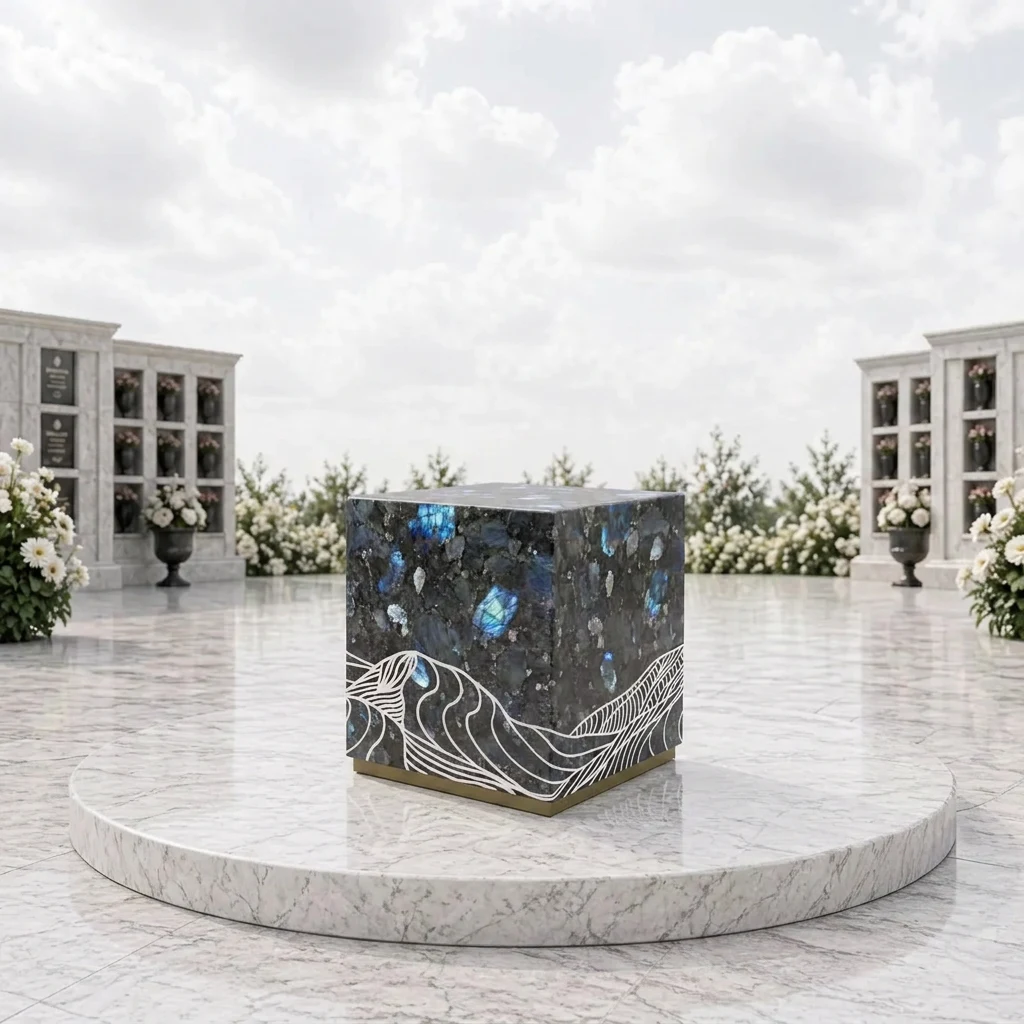
Urns for Mom
The most searched of these, and the pattern is consistent. Families looking for urns for mom choose soft materials and colour: mother-of-pearl inlay, pearlescent finishes, ceramic in her colour, floral engraving, or wood with a warm grain.
Two suggestions that families arrive at and are glad about.
Her colour, not the catalogue's idea of a maternal one. If she wore green for forty years, the green urn is the right urn.
An engraved line rather than only a name. A short phrase in her handwriting, engraved on a plate set into the urn. It costs very little and it is what people notice.
Memorial Gifts for the Loss of a Parent
Distinct from urns, and this is what people buy for somebody else who is grieving rather than for themselves. Memorial gifts for loss of mother and memorial gifts for loss of father are searched in almost equal numbers, and the useful list is the same for both.
A printed photograph they have not seen. The most valued and least common gift there is, and it costs almost nothing.
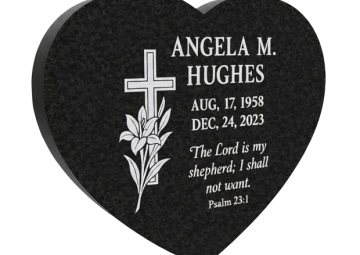
An engraved keepsake with a name and dates, or a line in the parent's handwriting.
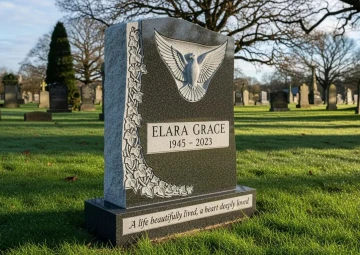
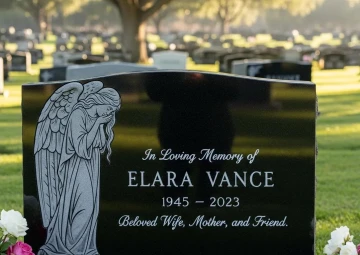
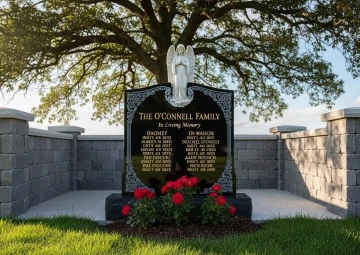
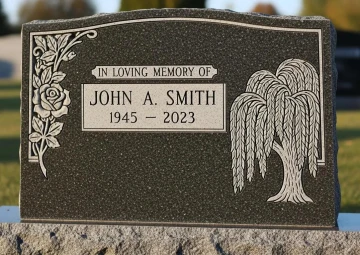
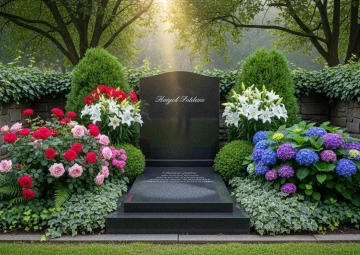
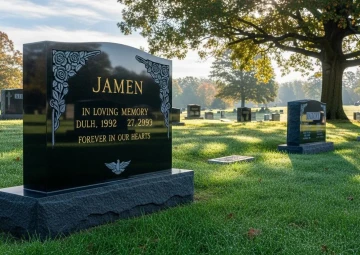
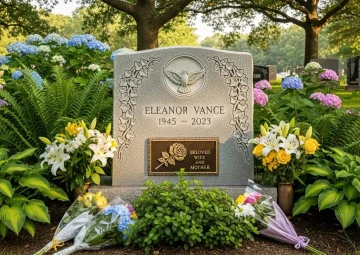
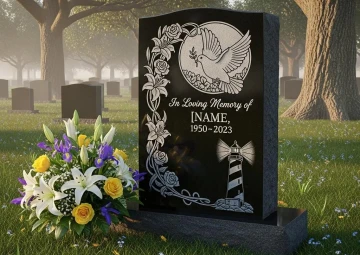
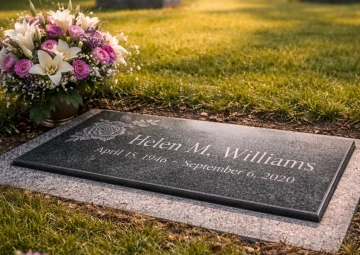
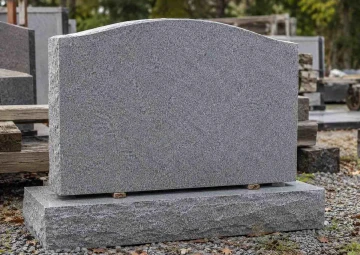
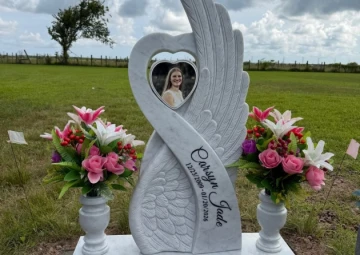
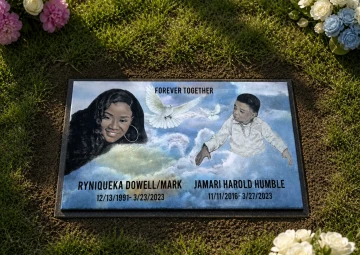
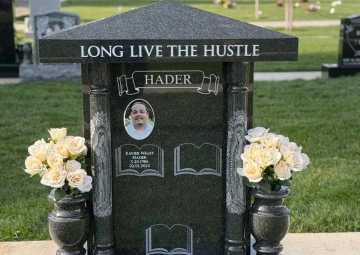
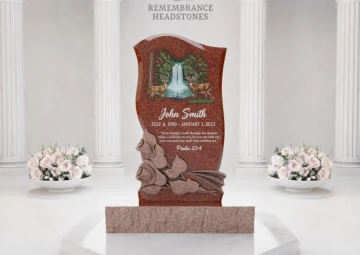
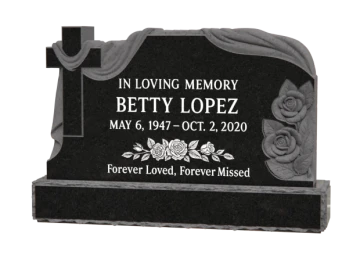
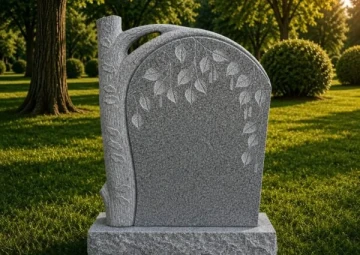
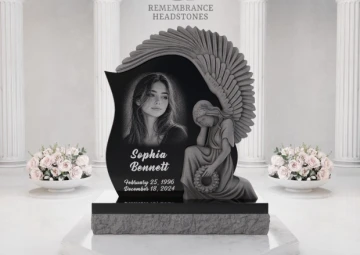
A memorial garden stone, engraved granite for a flower bed or a patio. Permanent, outdoor, no maintenance, and it gives somebody a place at home rather than only at a cemetery an hour away.
A tree or shrub that can be planted. Twenty years later it is still in the garden and everybody knows why.
Cremation jewellery, but only where you know the person wants it. It is intimate, and it is the wrong gift to surprise somebody with.
A donation in the parent's name to a cause the family has named.
Something practical. Food, a cleaner for a month, a grocery delivery. Unglamorous and remembered.
Anybody searching memorial gifts for loss of mom in the first weeks should avoid one category in particular: anything engraved with dates. It arrives before the family is ready to think about permanence and cannot be put away without guilt.
Where the Urn Sits in the Whole Process
One practical thought to close on.
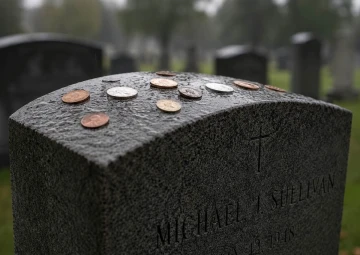
An urn is not the end of the process. A great many families keep ashes at home for a year or more and then bury or inter them, at which point a marker is placed. Others divide them: some scattered, some buried under a memorial, some in keepsakes.
None of that has to be decided at once. Keeping ashes at home for two years while the family works out what it wants is entirely normal, and the decisions made in the second year are consistently better than the ones made in the second week.