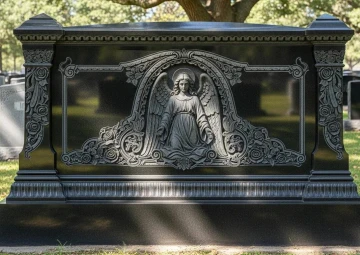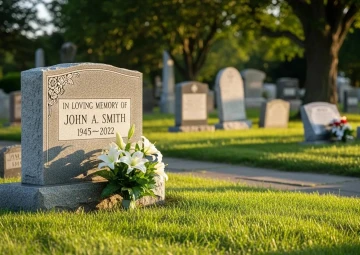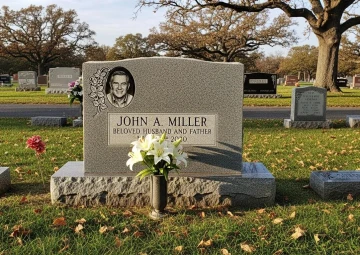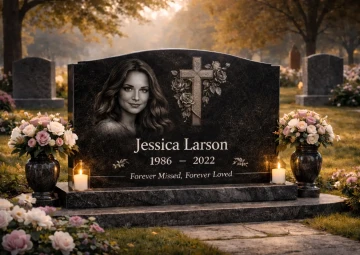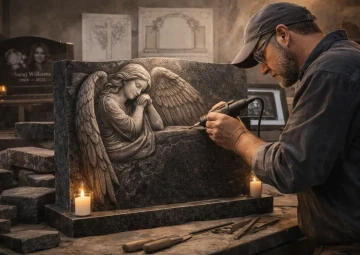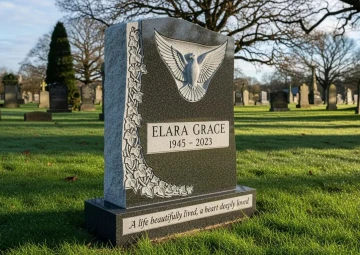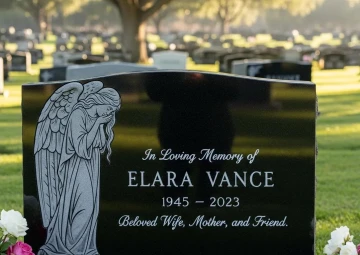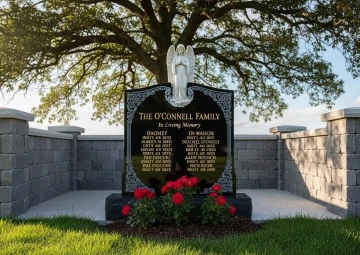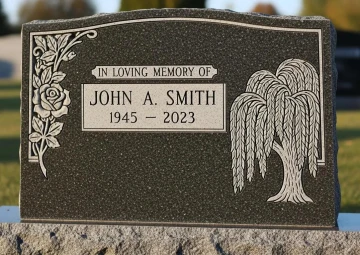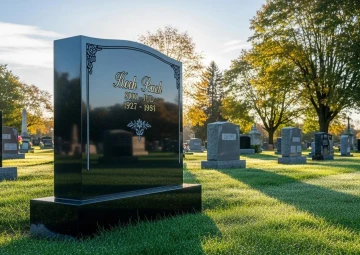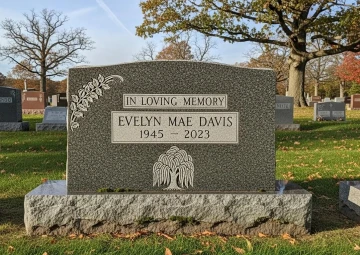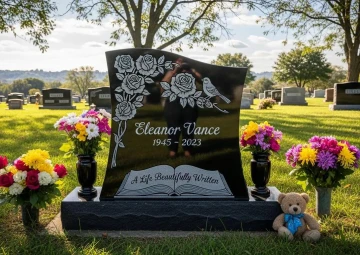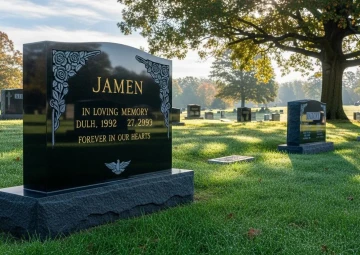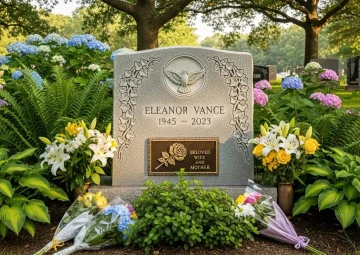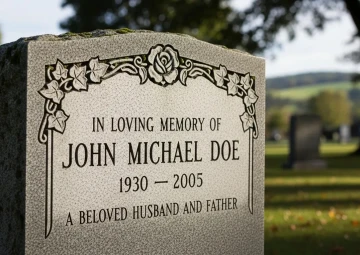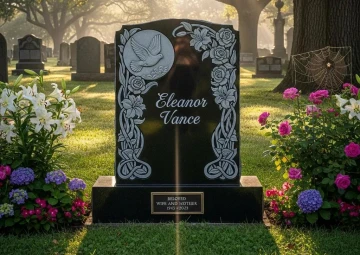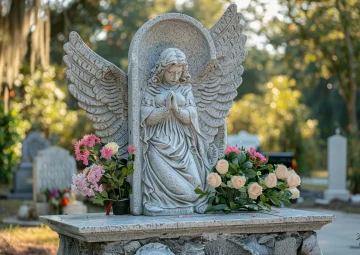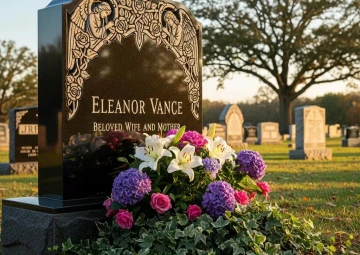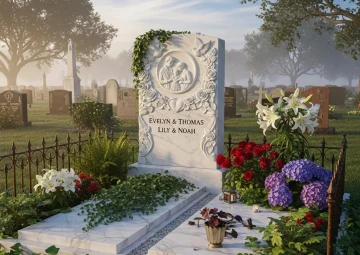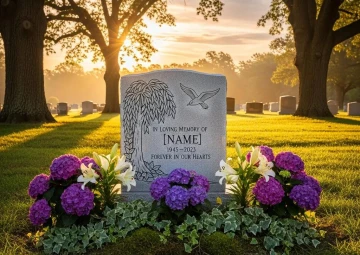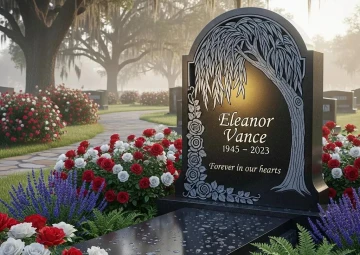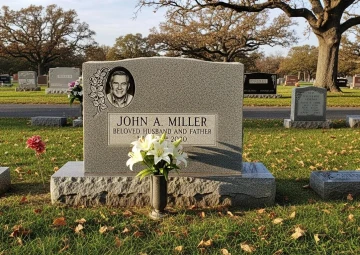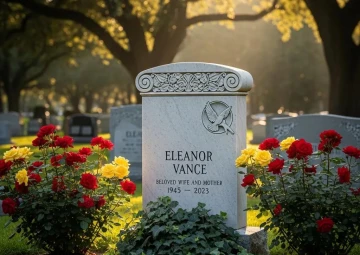
Not every memorial goes in a cemetery, and a growing share of what we make does not.
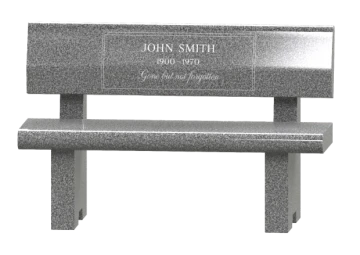
A plaque on a bench in a park. A memorial in the form of a garden stone. A plate on the side of a house. Something engraved that stays at home rather than an hour away.
This covers the materials, the pricing, and the practical decisions that determine whether a memorial is still legible in twenty years.
Custom Plaques and the Material Used
Three materials account for nearly everything, and the choice is determined mostly by where the plaque is going.
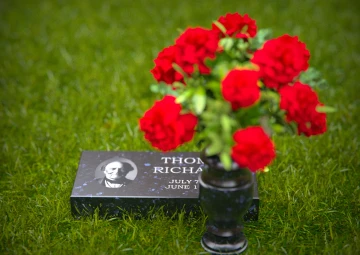
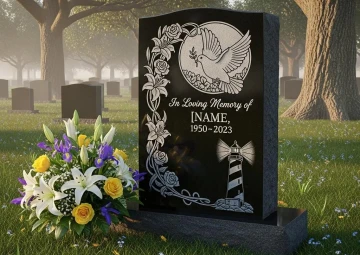
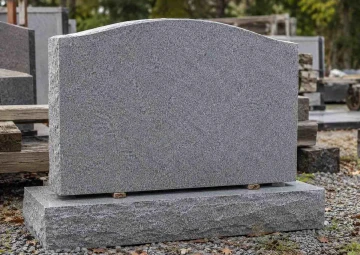
Granite. Engraved rather than cast, so the text is cut into the stone. Outdoors it is effectively permanent: it does not corrode, needs no waxing, and ultraviolet does not affect it. It is also the least expensive of the three for a given size.
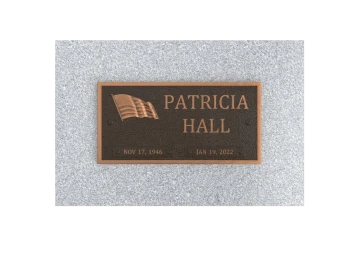
Bronze. Cast, with raised lettering and a darkened recessed background. The traditional choice for institutional and dedication plaques, and often required by cemeteries. It looks superb and it changes over time: without waxing once or twice a year it darkens to brown within a decade and eventually develops a green patina.
Stainless steel and aluminium. Laser-engraved or etched. Lighter and cheaper, and appropriate indoors or for temporary use. Aluminium in particular chalks outdoors within a few years.
For anything outdoors that nobody will maintain, granite. For anything traditional that somebody will wax, bronze.
Engraved Plaque Prices
Small granite plaque, 6 by 8 inches: 60 to 150 dollars. Medium granite plaque, 12 by 8: 150 to 350. Large granite plaque or garden stone, 18 by 12 and up: 300 to 700. Small cast bronze plaque, 6 by 8: 200 to 500. Medium cast bronze plaque, 12 by 8: 400 to 900. Bench plaque, bronze, typically 8 by 2: 150 to 400.
Bronze runs roughly three times the price of granite for the same area, because casting requires a pattern and a mould for every piece. Engraved plaques in granite are cut directly from artwork, which is why they are cheaper.
Lead times differ for the same reason. Granite is days to two weeks. Cast bronze is eight to twelve weeks.
Personalized Plaques and Memorial Garden Stones
The fastest-growing type of memorial we produce, and the reason is obvious. The cemetery is an hour away and the garden is out of the back door.
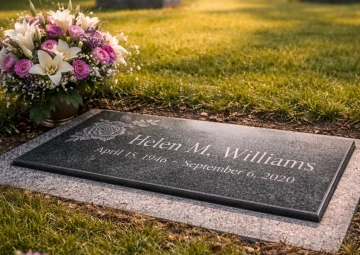
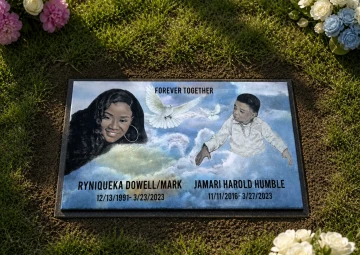
Flat garden stones, set into a flower bed or a patio, typically 12 by 8 or 16 by 12 inches, engraved with a name, dates and a line. Personalized memorial garden stones in this size are the commonest order we take.
Standing garden markers, small upright pieces 10 to 18 inches tall.
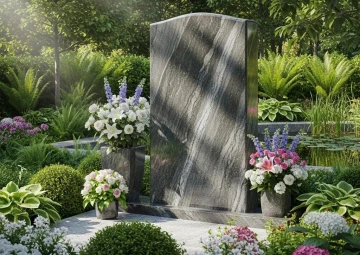
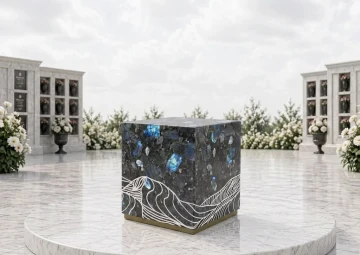
Boulder memorials, a natural stone with one polished face carrying the inscription. These suit an informal garden and look nothing like a cemetery marker, which for many families is the point.
Pet garden markers, the largest use of all, and the category that requires nobody's permission.
Three points on placement. Set flat stones on a compacted base rather than on soil, or they settle within two seasons. Keep them clear of the mower if they are in lawn. And engrave deeply, because a horizontal stone collects debris in shallow engraving.
Mounting a Personalized Plaque Outdoors
How outdoor plaques fail, and how to avoid all of it.
Use stainless steel fixings. Ordinary steel rusts, stains the surface below it, and expands inside the fixing hole until the material cracks. This is the commonest failure and it takes about eight years.
Mount on stone or masonry, not on timber. Wood moves seasonally, the fixings loosen, and the plaque ends up hanging crooked.
Leave a gap behind it where possible. A personalized plaque flat against a damp wall traps moisture behind it.
Do not site it within a sprinkler's range. In hard-water areas irrigation leaves a mineral film on any surface, and it is the commonest reason a plaque looks neglected after two years.
Custom Headstones and What Custom Actually Means
Worth defining precisely, because three quite different things are called custom headstones and the prices differ enormously.
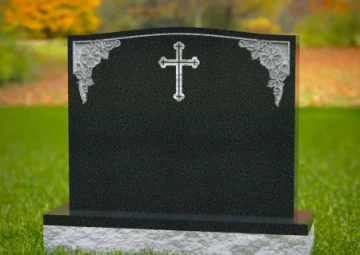
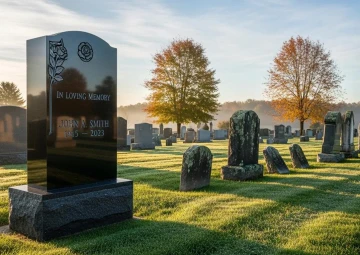
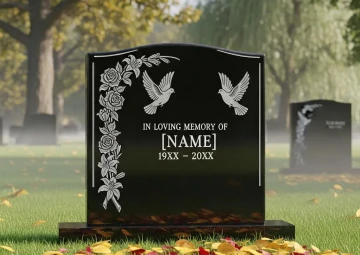
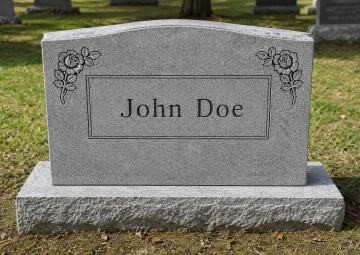
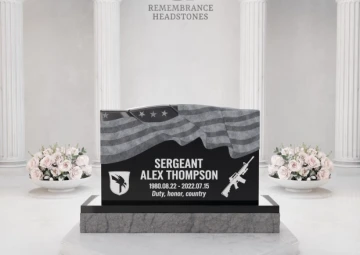
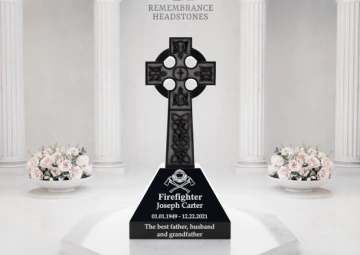
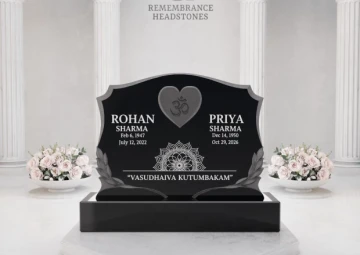
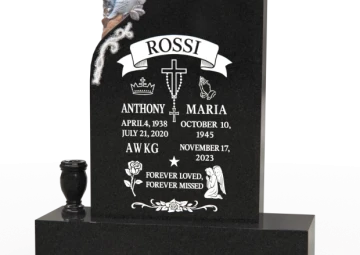
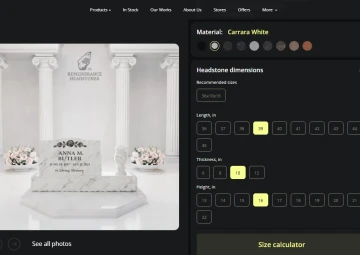
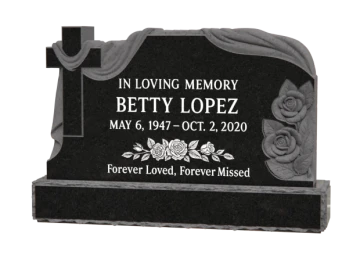
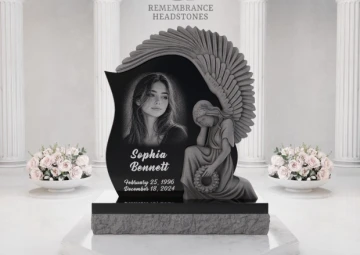
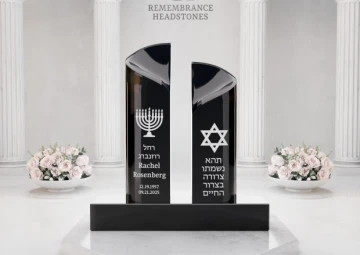
Custom inscription on a standard shape. Any memorial is this. The blank is a standard tablet or marker and the artwork is yours. There is no premium beyond the amount of engraving.
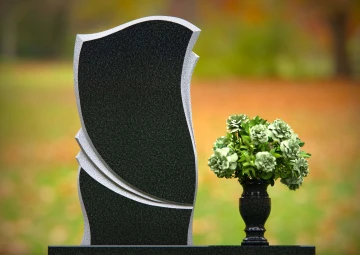
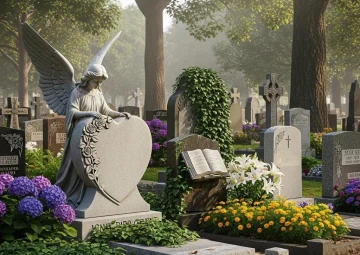
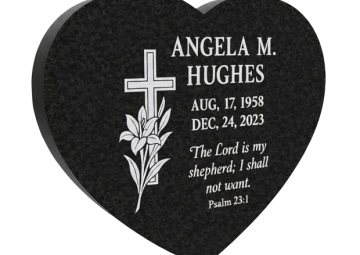
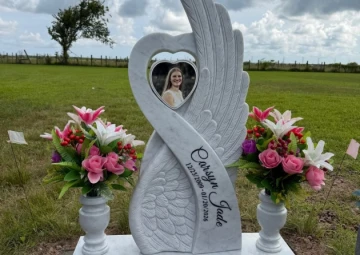
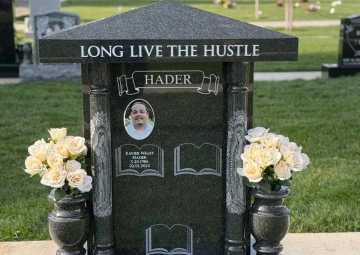
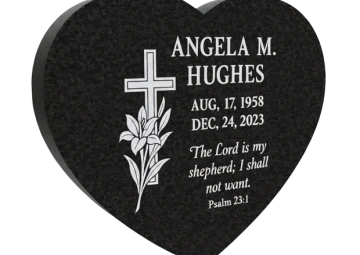
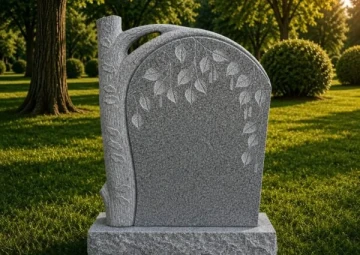
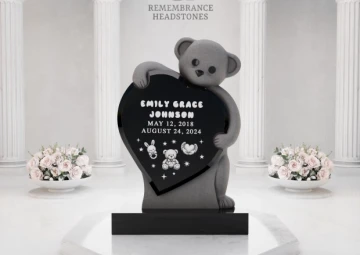
Custom shape. The stone itself cut to an outline: a heart, a book, a cross, an irregular natural edge. Costs more because the yield from the block is lower.
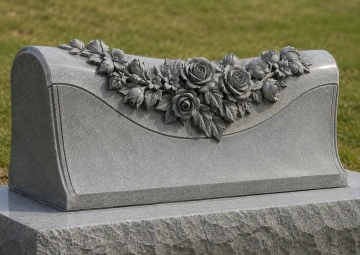
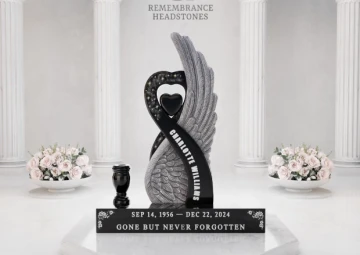
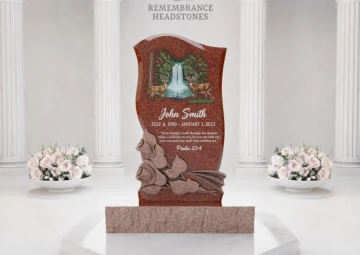
Fully bespoke. Sculptural work, carved relief, a form designed from scratch. Priced individually, and measured in months rather than weeks.
Most people asking about custom headstones mean the first or the second and are quoted for the third. Ask which you are being priced for.

Custom Urns and Personalized Urns
Two different things that are frequently confused.
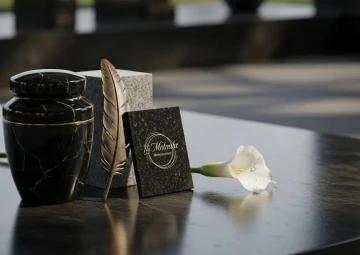
A personalized urn is a standard urn with engraving added: a name, dates, a line, sometimes a laser-etched image. It adds 30 to 100 dollars and takes days. Personalized urns are the overwhelming majority of what people mean when they ask for something custom.
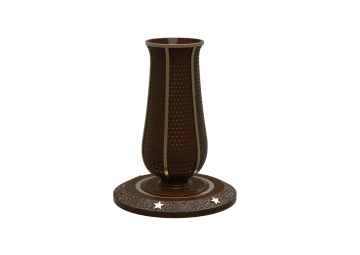
A custom urn is made to order in a shape or material chosen by the family. A toolbox, a camera, a hat box, a piece of furniture, a form derived from something the person owned. Costs run from a few hundred dollars to well over a thousand, and lead times are weeks. Custom urns for ashes in this category are essentially bespoke manufacture.
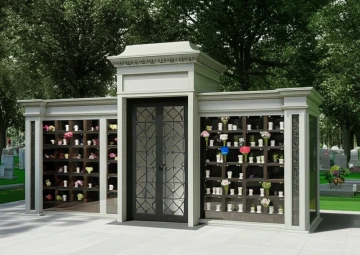
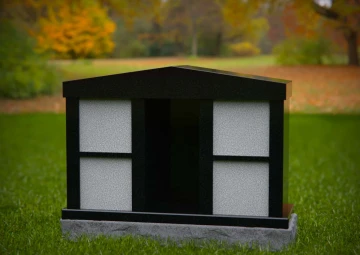
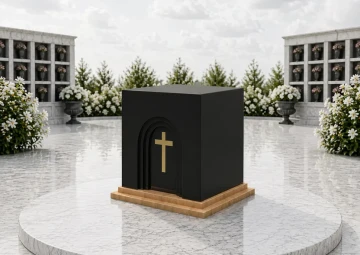
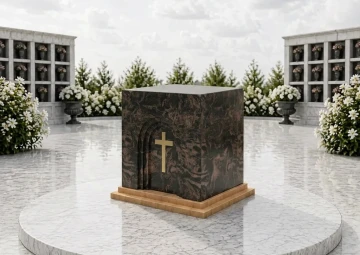
If the urn is going into a columbarium niche, check the internal dimensions of the niche before commissioning anything. A custom urn or a figurative one is wider than a standard piece and a great many will not fit. This is the most expensive avoidable mistake in the category.
For anything going outdoors or into the ground, granite. Ceramic, wood and glass do not survive a winter.
Custom Urn Necklaces and Personalized Memorial Jewelry
A large category that deserves clear information rather than sentiment.
What they hold. A very small amount, usually under one cubic inch. A pinch rather than a portion. Some are designed for a lock of hair or a thread of fabric instead. A custom urn necklace for ashes is a token, not a share.
How they are filled. A small funnel is supplied, the chamber is filled, and the seal is closed with a screw and usually a drop of adhesive. Most manufacturers recommend the adhesive and most people skip it. Do not skip it.
Materials. Stainless steel is the practical choice for daily wear. Sterling silver tarnishes and needs cleaning. Gold is the most expensive and the least reactive.
Engraving. Names, dates, a short line, a fingerprint, or handwriting. Fingerprint jewellery is made from a print taken by the funeral home, and that has to be arranged at the time; it cannot be done later.
Sets. Frequently ordered in fours or fives so that each sibling or grandchild has one. This is the commonest use, and ordering the set together means the engraving matches.
One caution for all of it. Personalized memorial jewelry is intimate, and it is the wrong thing to surprise somebody with. Ask.
The Wording, Which Is the Same Problem Everywhere
Whatever the object, three rules apply exactly as they do to a headstone.
Fewer words. A plaque holds far less than a page. Cut it down until it hurts, then stop.
Specific beats poetic. She grew roses nobody could match is worth more than any generic line, on stone, on bronze or on a garden marker.
Check the spelling twice and have somebody else check independently. Engraving is permanent in every material discussed here, and a name spelled wrong means starting again.
Approve a scaled proof showing exact layout and font before anything is cut. Not a description, not a phone conversation. A proof.