Almost fifteen thousand people search for this every month and most of the pages they find are shopping listings. Here is the practical information those pages leave out.
What It Is and How Much It Holds
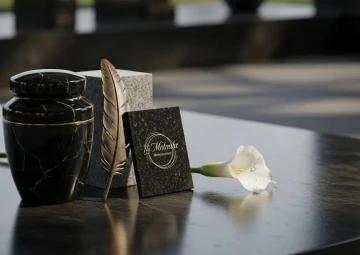
Cremation jewelry is a piece of jewellery with a sealed chamber holding a token amount of ashes.
The amount is tiny. Most pieces hold under one cubic inch and many hold less. In practical terms it is a pinch, roughly what fits on the tip of a teaspoon.
That surprises people. It is worth understanding before buying, because a family imagining they can divide ashes meaningfully across six pendants is imagining the wrong object. Keepsake urns at 3 to 20 cubic inches do that job. Cremation jewelry for ashes is a token, and the point of it is that it is worn rather than stored.
Not every piece holds ashes. Many are designed for a lock of hair, a thread of fabric, soil from a place, or dried flowers from the funeral. Where ashes are unavailable or not wanted, the same jewellery works.
Filling and Sealing, Where Things Go Wrong
Almost every piece comes with a small funnel and a fill kit. The process is easy and two mistakes recur.
Do it over a large sheet of paper, indoors, with the window shut. Ashes are fine and light. Spilling them onto a carpet in a draught is a distressing accident that happens far more often than anybody admits.
Use the adhesive. Most pieces close with a small threaded screw and the manufacturer supplies a drop of adhesive to seal it. A great many people skip this, assuming the screw is enough. It is not. Threads work loose against skin and body heat over months, and losing the contents of a memorial pendant cannot be put right.
If you are unsure, a jeweller will fill and seal it for a small fee, and funeral homes frequently do it as part of the service.
Do not fill it completely. Leave room for the threads to close properly.
Materials and What Each One Does
Stainless steel. The practical choice for daily wear. Does not tarnish, does not react with skin, survives showers and swimming, and costs the least. If the piece will be worn constantly for twenty years, this is the material.
Sterling silver. The most popular by volume and the most appealing to most people. It does tarnish, and sterling silver cremation jewelry tarnishes faster than ordinary silver because it sits against skin continuously. It needs occasional polishing with a silver cloth, and the polish must not get into the fill hole. The right choice if you like silver and will look after it.
Gold. The most expensive and the least reactive. Solid gold cremation jewelry is a genuine heirloom. Gold-plated pieces over brass or steel are far cheaper, and the plating wears through at contact points within a few years, which on a memorial piece is more upsetting than on ordinary jewellery.
Titanium and tungsten. Very hard, very durable, heavier than steel. Common in rings.
Glass. An entirely different technique, described below.
Urn Necklaces for Ashes
The most common form, and the shapes divide into recognisable groups. An urn necklace for ashes will be one of these.
Cylinder or vial pendants, plain, holding the most of any style.
Heart pendants, the most-sold shape by a wide margin.
Cross and religious pendants.
Teardrop and leaf shapes.
Photo lockets with a chamber behind the image.
Fingerprint pendants, engraved with an actual print.
That last one has a hard deadline attached. A fingerprint must be captured by the funeral home before cremation. It cannot be done afterwards. If you are thinking about fingerprint jewellery, ask at the time, and ask even if you are not sure, because the print costs nothing to take and cannot be obtained later.
Chain length matters more than people expect. Urn necklaces for ashes worn under clothing need a longer chain than decorative ones, and most sets ship with a short chain that sits at the throat.
Cremation Jewelry for Men
A real gap in the market and a growing category, because most of what is manufactured is designed for women. Cremation jewelry for guys tends to be about not looking like memorial jewellery at all.
Rings with a hidden internal chamber. Nothing about them reads as memorial jewellery, which for a lot of men is the entire point.
Dog tags, unremarkable to wear and holding a reasonable quantity.
Cylinder pendants on a leather cord rather than a chain.
Bracelets, usually steel or leather with a small steel bead chamber.
Cufflinks and tie bars, worn occasionally rather than daily.
Key fobs and pocket tokens, which are not jewellery at all and are frequently what a man actually wants: something in a pocket rather than around a neck.
The practical guidance is the same as for anything worn daily by somebody who works with their hands. Stainless steel or titanium, a sealed screw rather than a hinge, and nothing that catches.
Cremation Jewelry for Women
The bulk of the market, and the choice is wider than in any other category: pendants in every shape listed above, rings, bangles, charm beads that fit standard bracelets, and lockets combining a photograph with a chamber.
Two practical points that apply particularly here. A memorial ashes necklace worn every day should be steel or solid gold rather than plated, because plating wears at the chain contact points. And if the piece is going to be worn under clothing, buy the longer chain at the outset.
Pet Cremation Jewelry
A big and growing category, and the same products with different engraving.
A paw print pendant is the standard, and the good ones use an actual print rather than a generic shape. Vets will take an ink print at the end if asked, and many do it as a matter of course. As with a human fingerprint, the window is short.
Small volumes suit pets particularly well, because a cat or a small dog produces far less ash than an adult human and a keepsake pendant represents a meaningful proportion rather than a token.
Collar tags reworked into a pendant are another common and effective choice, and they cost nothing.
Unique Cremation Jewelry
Three techniques that produce something genuinely distinct rather than a variation on a locket.
Glass. Ashes are fired into molten glass by a glass artist, producing a swirl or a cloud suspended inside a solid pendant or bead. Nothing is hollow and nothing can be lost. Prices typically run 150 to 500 dollars, and every piece is unique by definition.
Memorial diamonds. Carbon extracted from ashes and grown into a laboratory diamond over several months. Prices run from a few thousand dollars into the tens of thousands depending on size and colour. The most expensive option available and the most permanent.
Ashes set in resin, in rings, pendants and beads, often combined with flower petals from the funeral or with colour. Considerably cheaper than glass and available from a great many independent makers.
Buying Sets
Worth mentioning, because it is the commonest use.
Where several people each want a piece, order the set together. The engraving matches, the pieces are the same generation of manufacture, and the filling can be done in one sitting.
Filling four keepsake pendants at once is far easier than doing it separately in four households, and it is usually cheaper.
And What It Does Not Do
Cremation jewellery is a private object. It goes where you go, and only you know what it is.
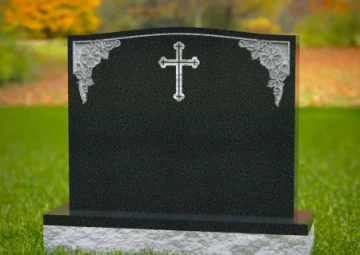
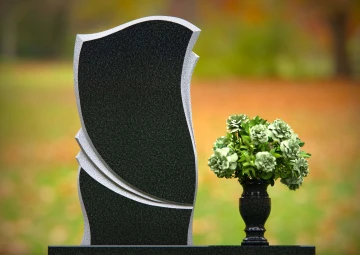
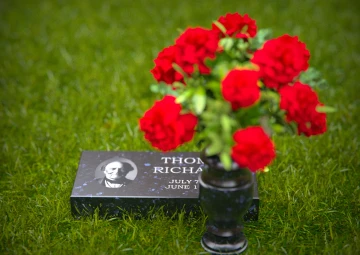
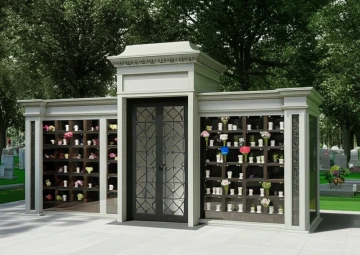
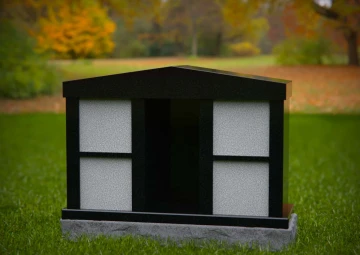
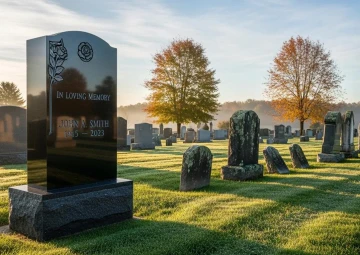
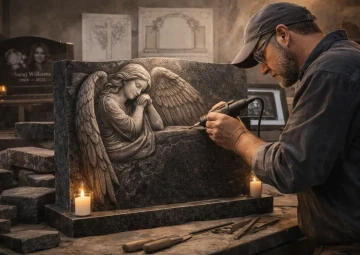
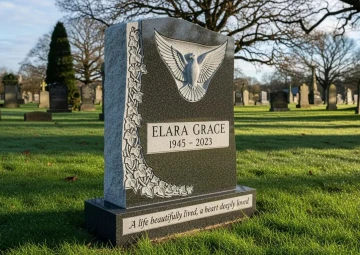
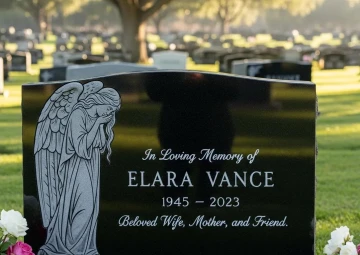
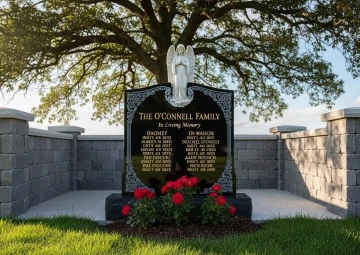
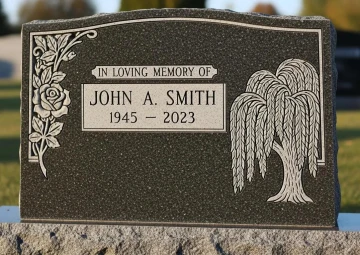
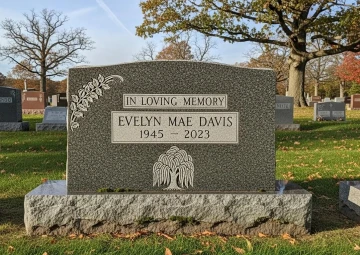
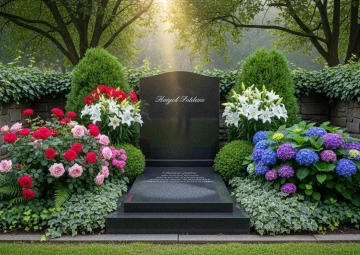
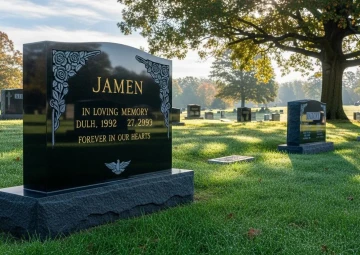
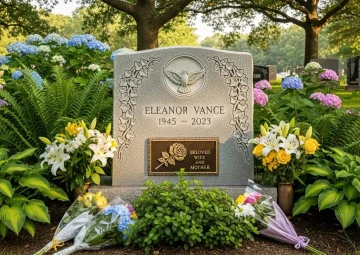
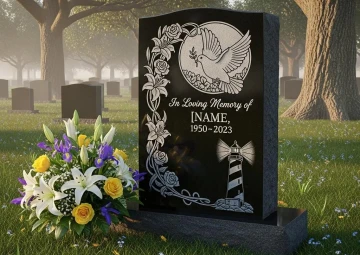
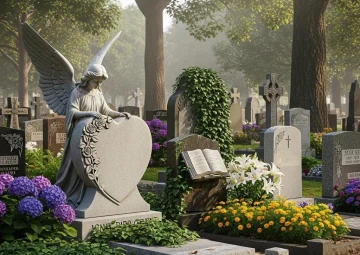
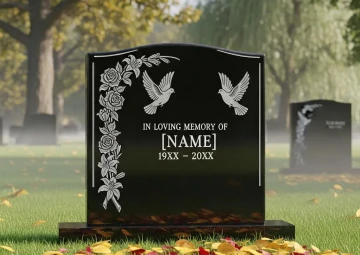
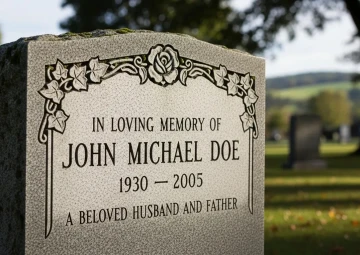
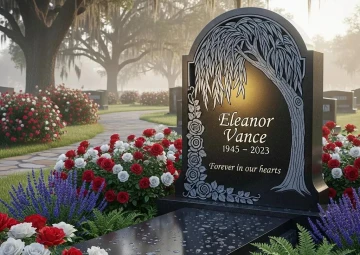
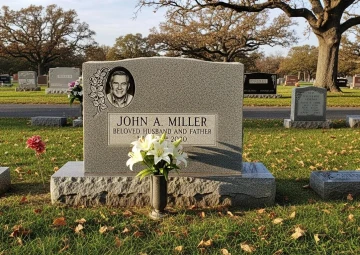
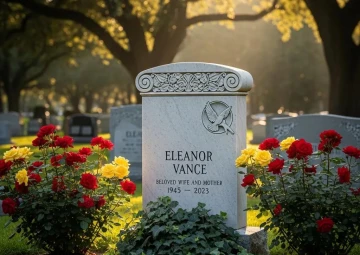
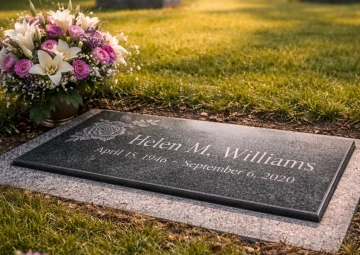
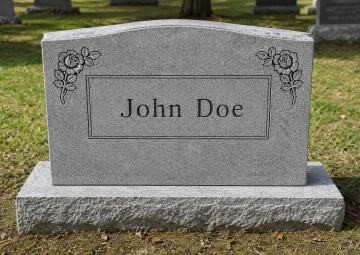
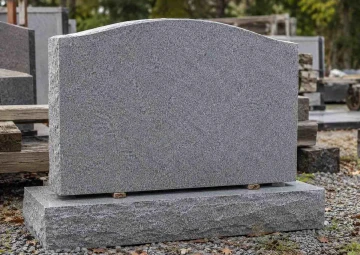
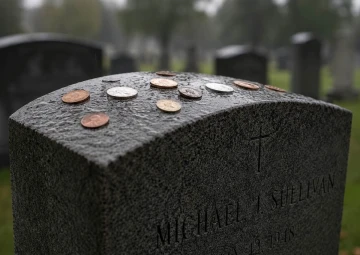
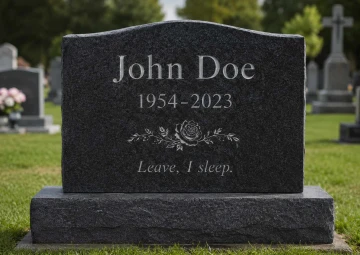
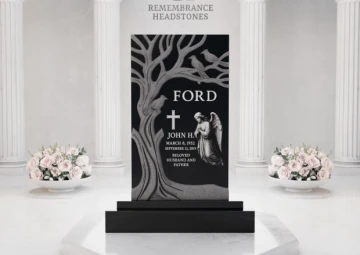
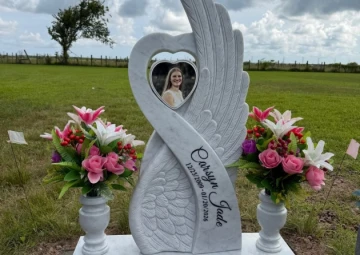
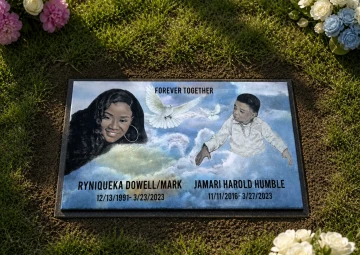
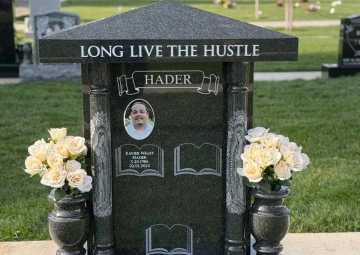
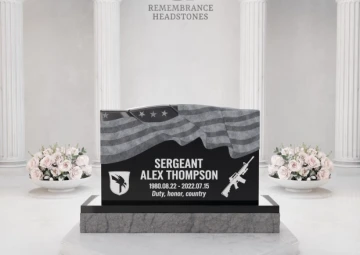
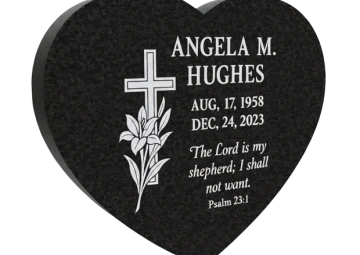
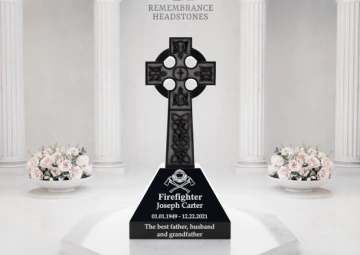
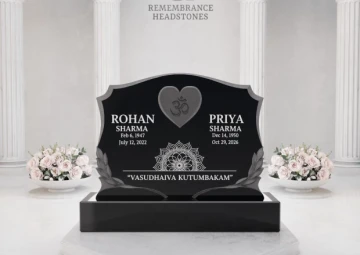
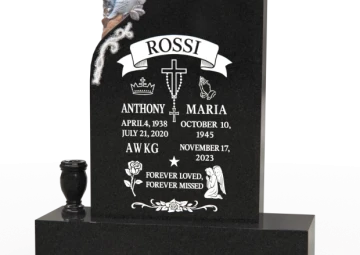
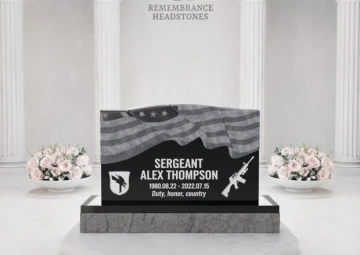
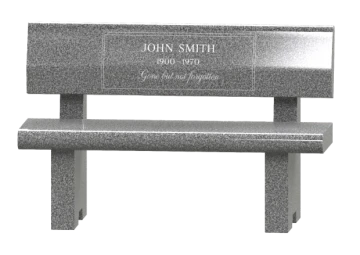
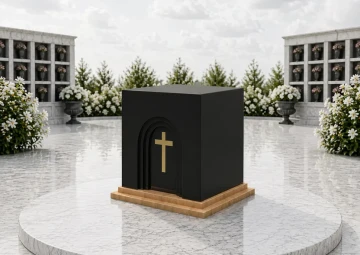
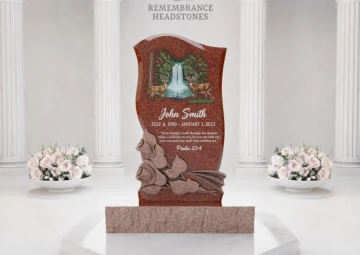
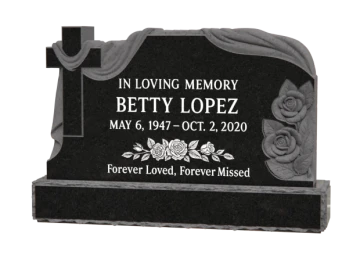
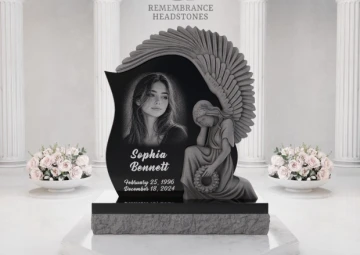
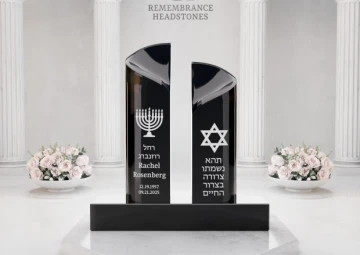
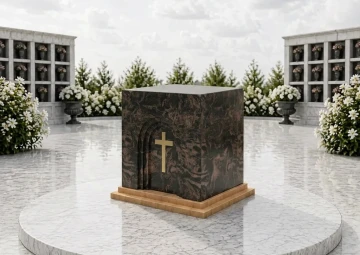
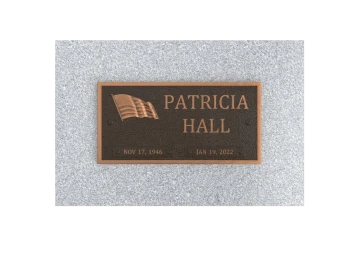
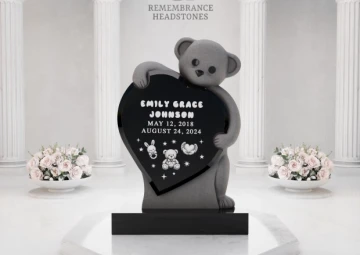
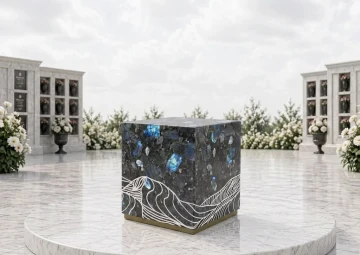
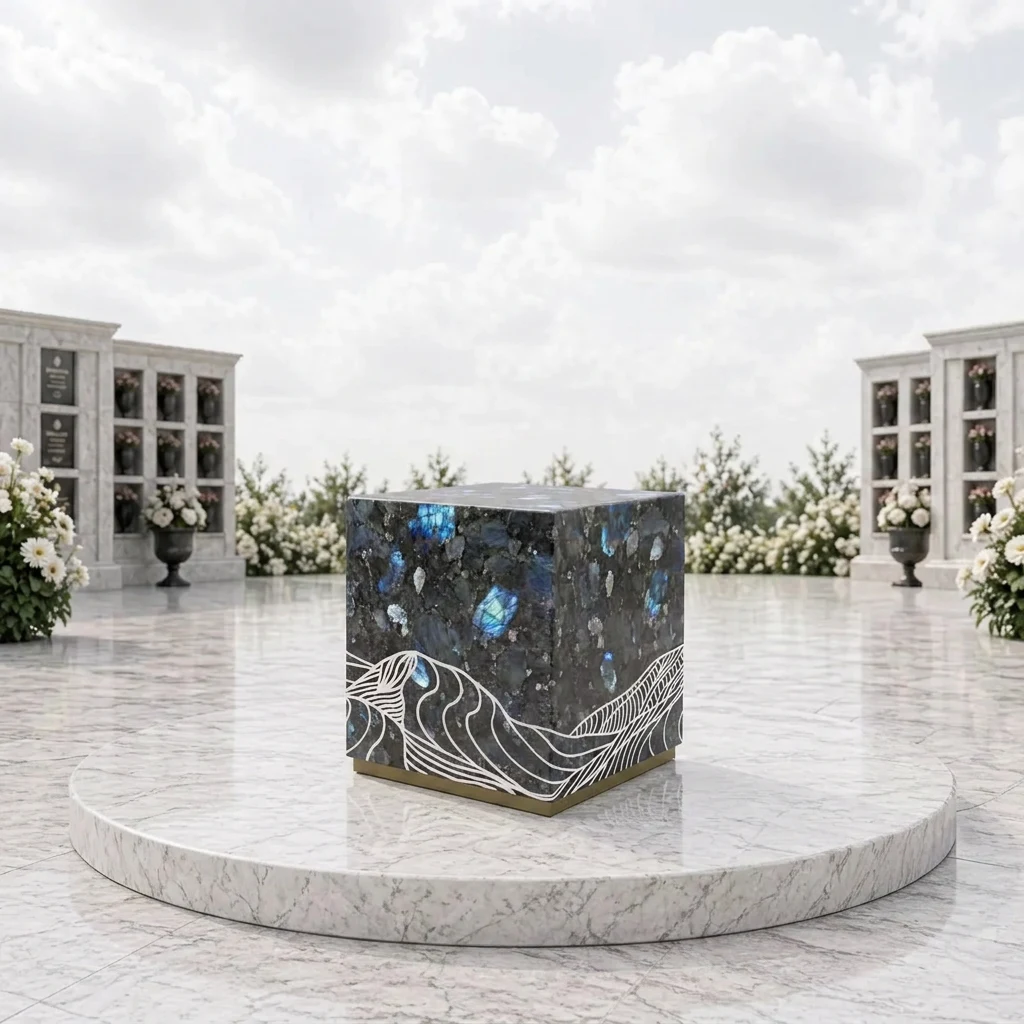
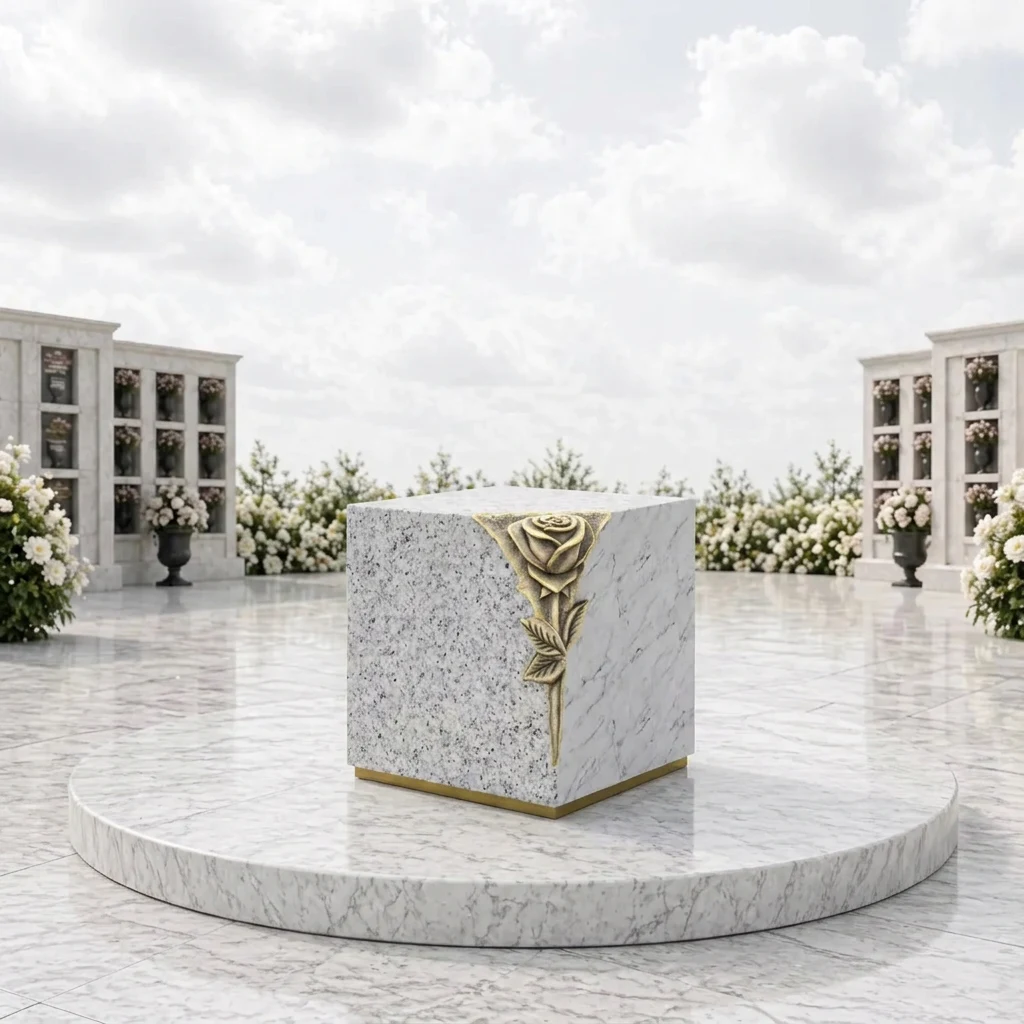
It does not do what a marker does, which is give other people somewhere to go. Families who choose jewellery and nothing else sometimes find, years later, that there is nowhere for a grandchild to visit and no name written anywhere.
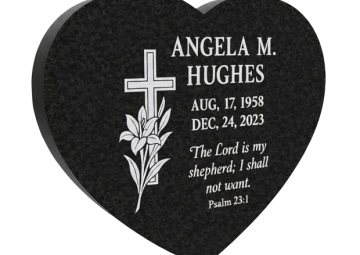
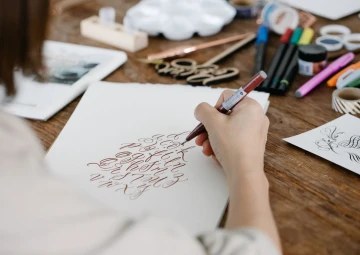
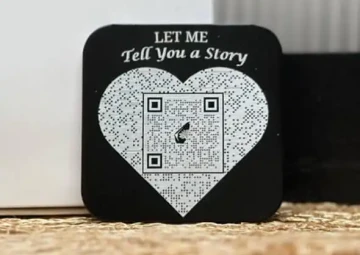
A great many families do both, and the pieces frequently carry the same handwriting or the same line as the stone. The stone is where other people go. The pendant is what you carry.