There is nothing anybody can say to explain why you are reading this. What we can do is set out the options, the costs, and what other families have found they were glad about.
The last of those matters most, so it comes first.
Wait Longer Than Anybody Suggests
There is no requirement that a memorial be installed within any period. Cemeteries have no deadlines. Nothing is waiting on you.
Parents who choose an infant memorial in the first weeks very commonly want something different a year later, and by then the stone is cut. Parents who wait six months or a year almost never regret the delay.
If somebody is pressing you to decide, that is about their discomfort rather than any real deadline. A temporary marker will hold the spot for as long as you need.
Infant Grave Markers and What Cemeteries Allow
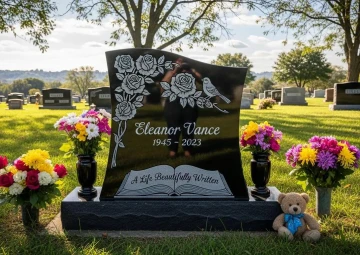
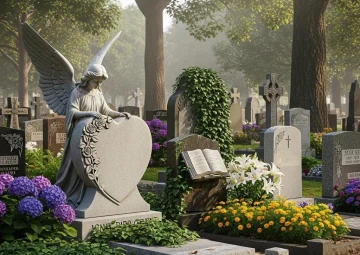
Almost all cemeteries have a designated area for infants and children, and the rules there differ from the rest of the ground.
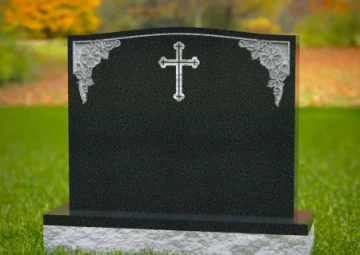
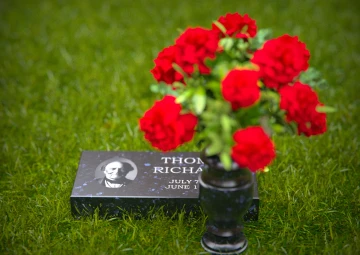
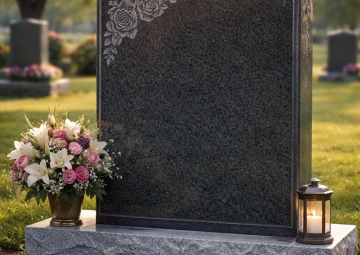
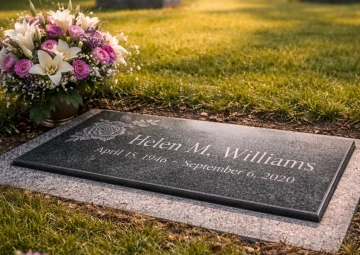
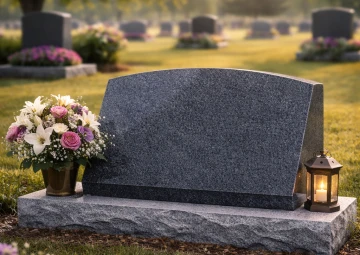
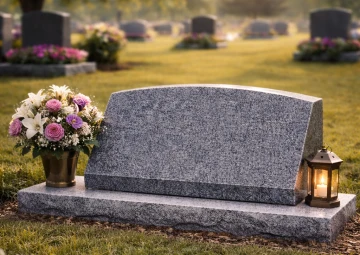
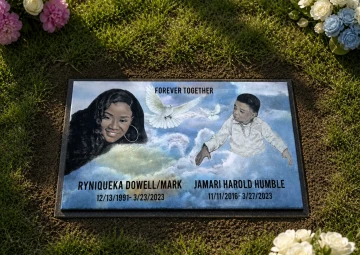
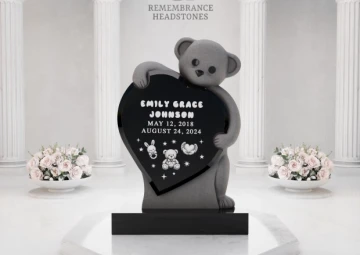
Sizes are smaller. Common infant marker dimensions are 12 by 6, 14 by 8 and 16 by 8 inches, against 24 by 12 for a standard adult marker.
Prices are lower for both the plot and the marker, and many cemeteries reduce or waive interment costs for an infant. Ask, because not every cemetery volunteers it.
Rules are more relaxed. Many infant sections permit toys, ornaments, windmills and figures that would be removed from an adult section. Some set fixed dates for clearing. Ask for the policy in writing, so that nothing you place is thrown away.
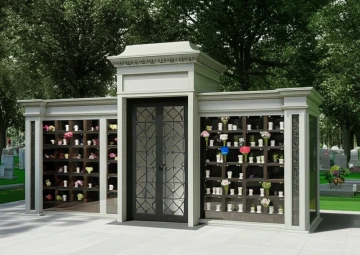
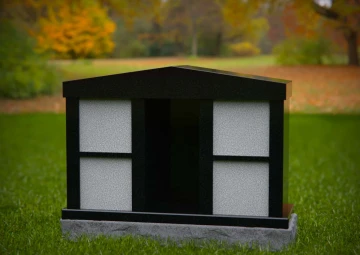
Some sections are shared. Where a cemetery maintains a communal infant section for stillbirths and early losses, individual markers may not be permitted and a memorial wall or shared monument may be the form instead. Ask what is possible.
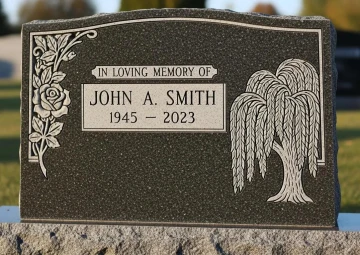
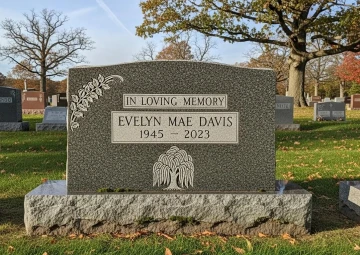
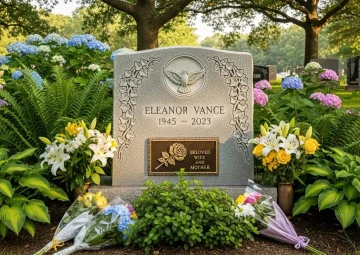
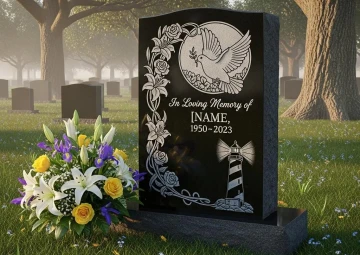
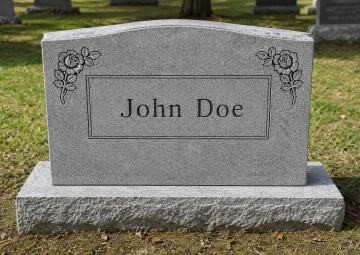
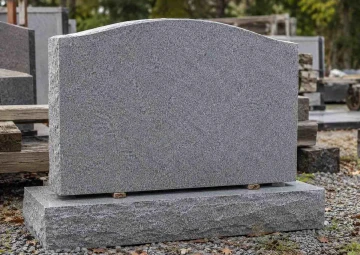
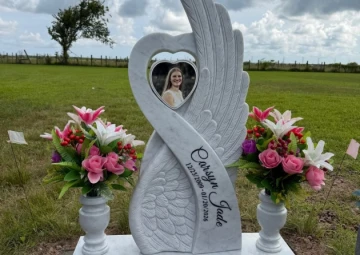
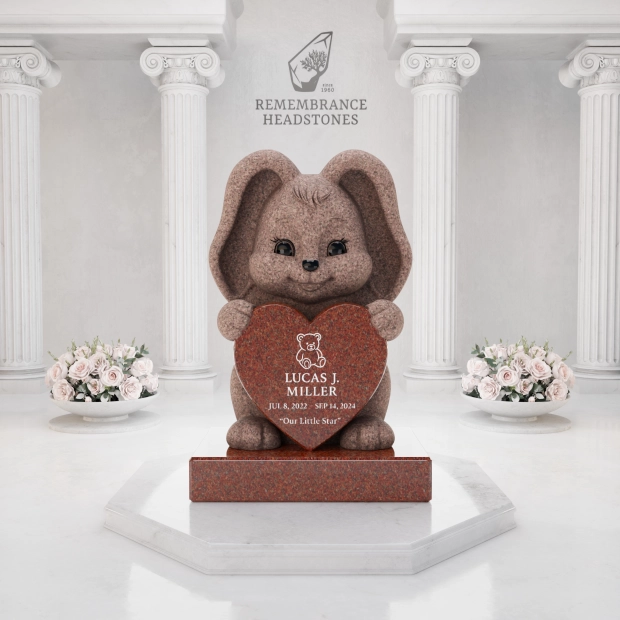
A granite infant marker typically costs between about 150 and 600 dollars depending on size and detail, with setting charged separately by the cemetery as with any marker.
Wording for a Baby's Headstone
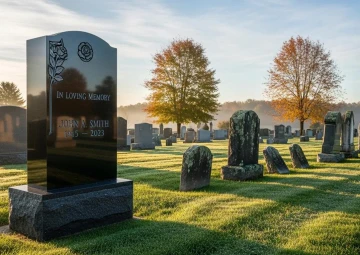
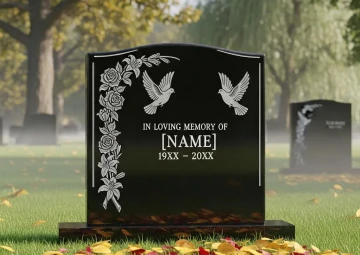
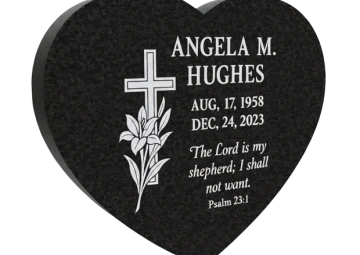
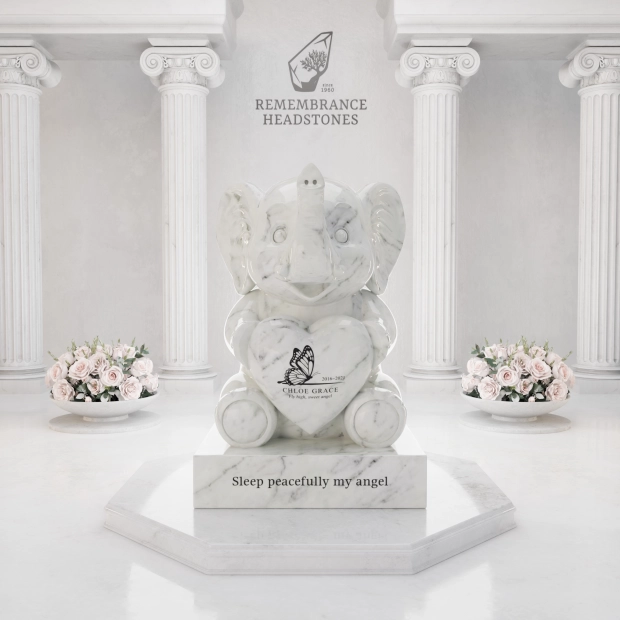
The general rule for epitaphs applies here with more force: shorter is better, and almost every available quotation is wrong.
Anything about a long life, a completed journey, earned rest or a plan falls flat. What works is short and plain.
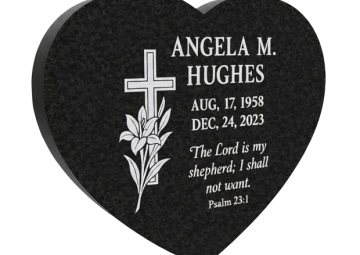
Our beloved son. Too dearly loved to ever be forgotten. Safe. A little while. Held for a moment, loved for a lifetime. Now I lay me down to sleep.
Some families use the birth date only. Some use both. Some use neither, particularly where birth and death were the same day and the pair of dates is unbearable to look at. All of those are correct choices and none needs explaining to anybody.
If the baby had a name before birth, use it. Families who used a formal version they never actually used in life frequently wish they had not. Baby headstones carrying the name the parents actually said are the ones families are glad about.
Weight, Length and Handprints
Something families ask for and rarely realise is possible.
Birth weight and length can be engraved. So can a handprint or a footprint, taken from the hospital record and reproduced at actual size on the stone. Hospitals routinely take these and many families have one without knowing it can be used.
A handprint on a small granite marker is, in our experience, the thing families are most glad about years later, because it is the only physical record of size that exists.
Keep it safe and scan it. If you do not have one and it is still possible to request it, ask the hospital.
Infant Urns
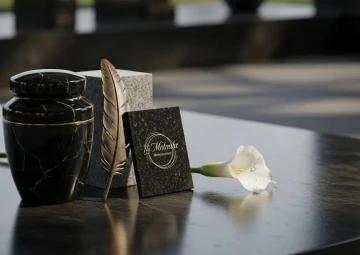
Where cremation is chosen, an infant urn is a separate item rather than a smaller version of an adult one.
Sizing. Capacity is measured in cubic inches, at roughly one cubic inch per pound of body weight before cremation. For an infant that is very small, and most infant urns are made in the range of 10 to 40 cubic inches. Some are smaller.
Two things follow. A standard adult urn is enormously oversized and looks out of place. And there may be less ash returned than a family expects, which is worth knowing in advance rather than at the funeral home.
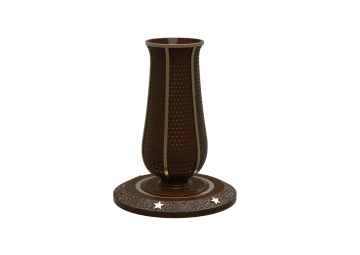
Materials. Ceramic and hand-painted porcelain, wood, metal, glass and granite. Anything staying indoors works in all materials. For anything outdoors or being buried, granite or metal only. A baby urn in ceramic will not survive a winter outside.
Costs typically run between 60 and 300 dollars, with hand-made and artist pieces higher. Baby urns for ashes and infant urns for ashes are made in every material listed above.
Keepsakes. Very small urns holding a few cubic inches, usually sold in sets so that both parents and grandparents each have one. Urns for baby ashes in keepsake size are common with infant loss and there is nothing unusual about wanting several.
Biodegradable urns for burial or for planting with a tree suit families who want the ashes returned to a place. Newborn urns and infant cremation urns are made in biodegradable form in the same small sizes.
Very Early Loss
Miscarriage and stillbirth are handled differently by different hospitals, states and cemeteries, and families are usually told very little.
Some facts that apply in most places.
There may be no ashes returned after the cremation of a very early loss, because of the quantity involved. Ask the hospital or crematorium directly, before rather than after, however hard the question is.
Many cemeteries maintain a communal infant section with a shared memorial where individual burial is not possible, and families can usually have a name added.
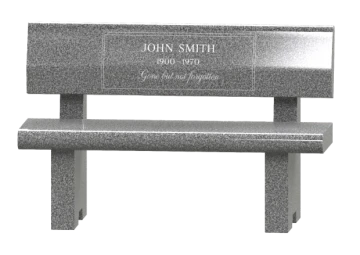
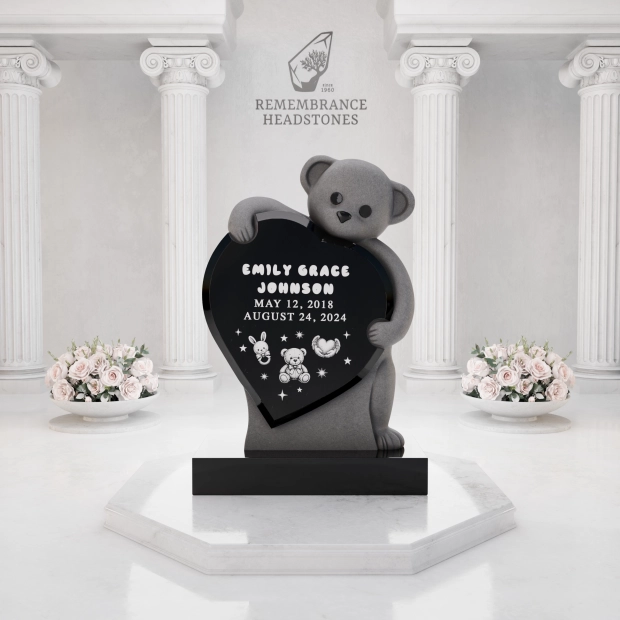
A baby grave is not the only thing that can be marked, and a memorial does not require remains. A garden stone, a plaque, a bench or a tree with a name and a date can be placed anywhere, and it is no less real for having no grave underneath it.
That last point matters and is not said often enough. Families who lost a baby before there was anything to bury are entitled to a marker as much as anybody else, and a great many find that having one helps. An urn for baby ashes is not the only way to mark a life.
Not in a Cemetery
A significant share of infant memorials are never placed in a cemetery, and that is a legitimate choice rather than a lesser one.
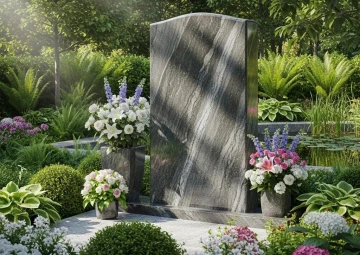
A garden stone, engraved granite set into a border. Permanent, no maintenance, and somewhere you can be at three in the morning rather than driving to a cemetery.
A planted tree or shrub with a plaque.
A memorial bench, where there is room.
A wall plaque on the house or a garden wall.
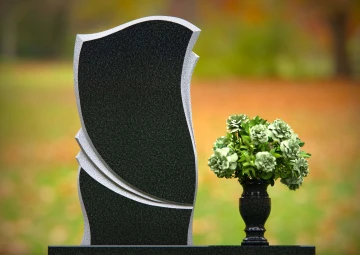
Granite is the material for any of these, because it lasts outdoors indefinitely without sealing or waxing and because the inscription stays legible for a century.
For Grandparents and Other Family
If you are reading this on behalf of somebody else, one piece of advice.
Grandparents, siblings and close friends usually want to do something and do not know what. Offering to buy the marker is usually the wrong offer, because that decision belongs to the parents and they may need to make it slowly.
What helps is smaller. A keepsake urn so the ashes can be shared. A garden stone for their own garden. Paying the setting fee quietly. Or saying the baby's name out loud, which is the thing bereaved parents most often say nobody does.
Losing a baby is its own kind of bereavement and it is frequently made harder by how little other people know how to say. If you are finding it heavier than you can manage alone, talking to somebody about it is worth doing, and there are organisations that exist specifically for this loss.