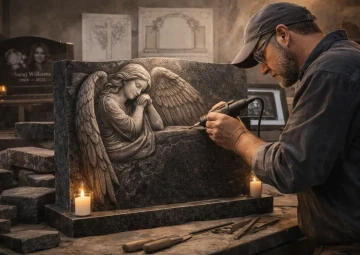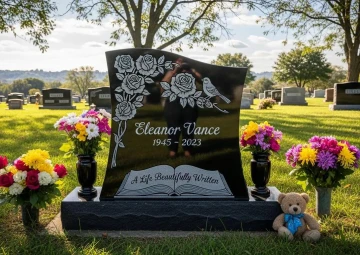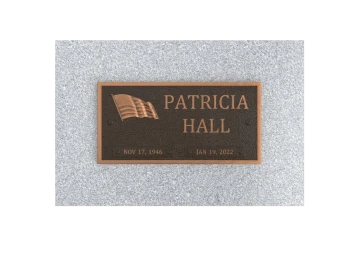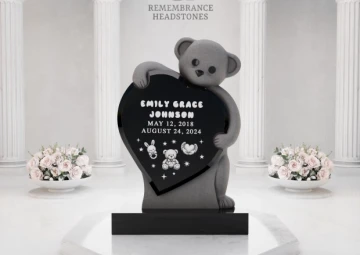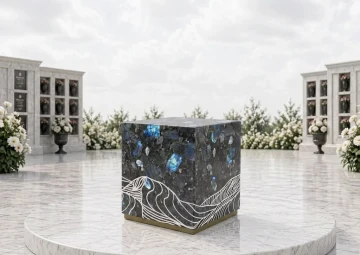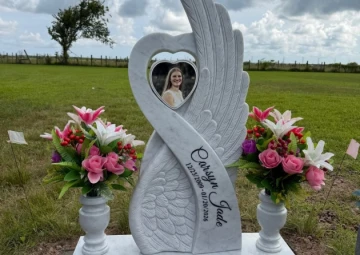
An epitaph is the shortest biography anyone will ever write, and it must be suitable for those who never met the deceased.
This is a very difficult writing assignment and it is made even more difficult by its execution in the hardest month of the writer's life. Here is how it should be done in order to create something the family members will appreciate in twenty years from now.
Headstone Inscriptions and What an Epitaph Is and Is Not
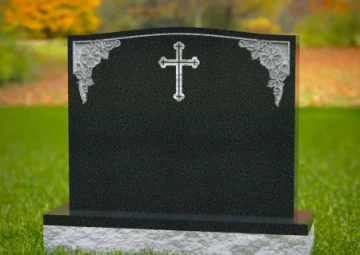
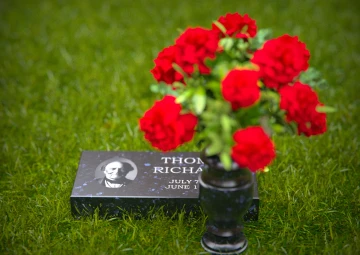
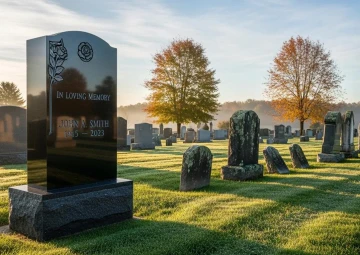
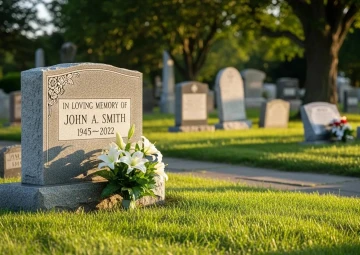
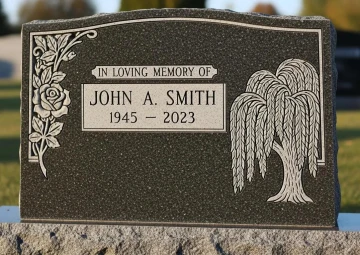
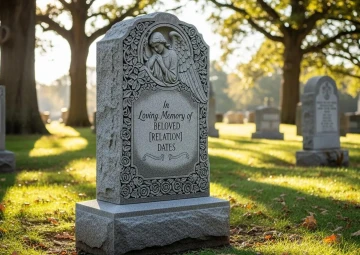
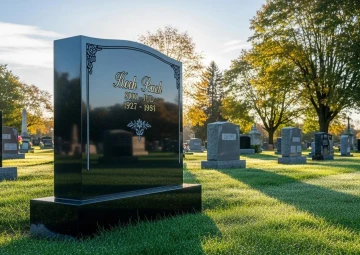
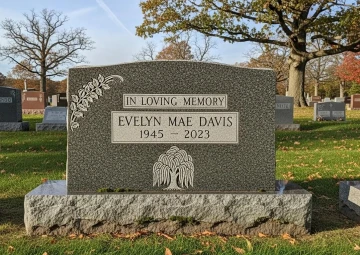
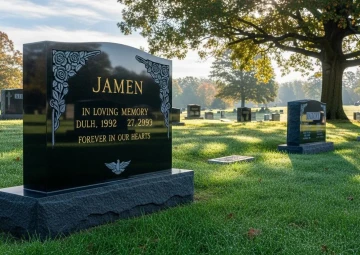
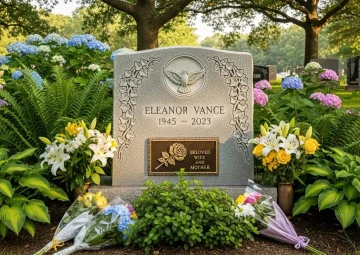
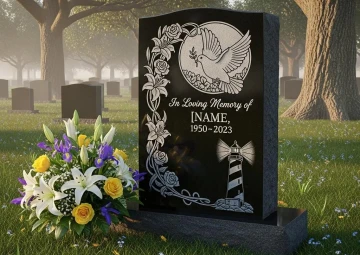
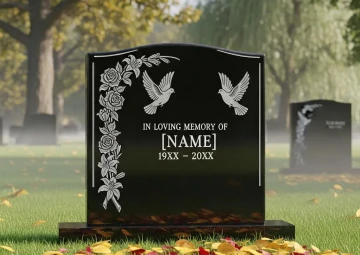
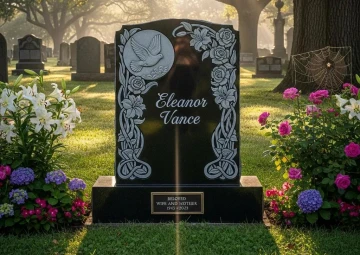
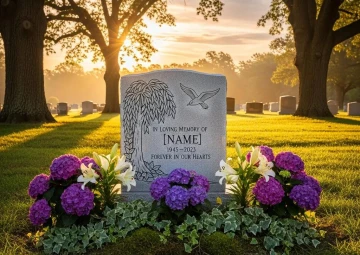
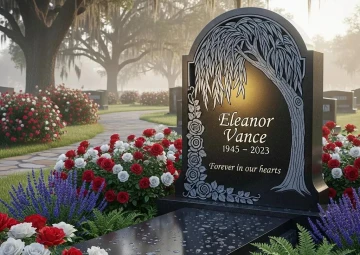
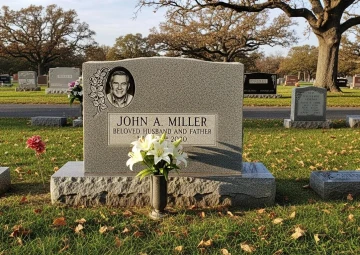
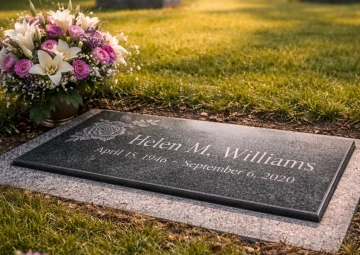
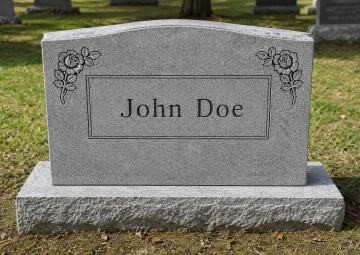
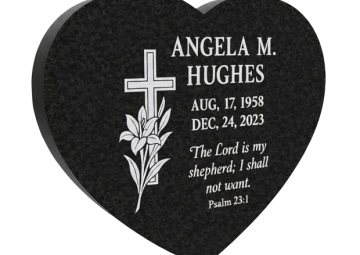
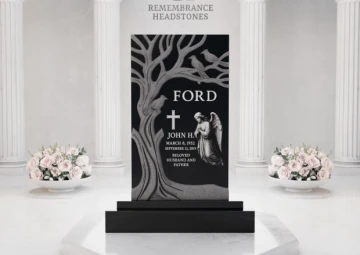
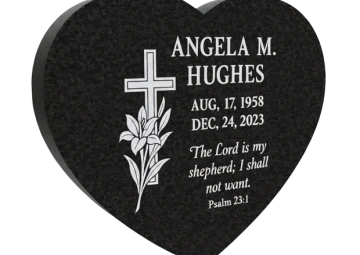
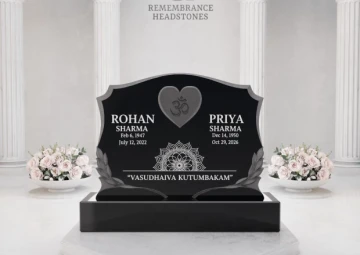
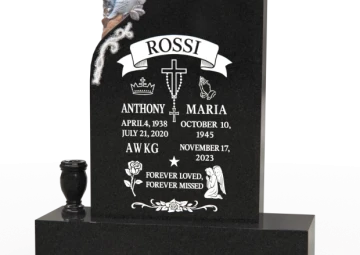
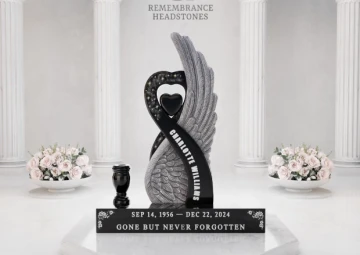
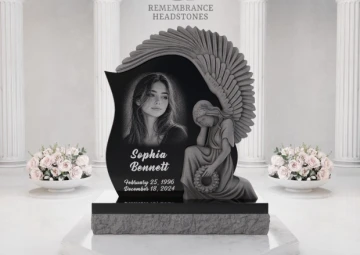
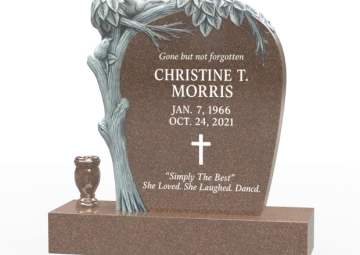
The inscription is everything carved into the stone: name, dates, relationship lines, emblems.
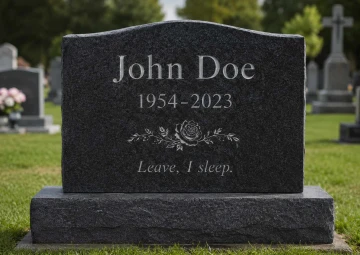
The epitaph is everything but information. It is a line or lines saying something rather than recording something.
One does not necessarily have to include an epitaph in his or her stone. Many headstones contain a name, two dates and nothing else and there is a certain dignity in that. If nothing seems to fit, the honest thing to do is not to include an epitaph.
Word Count Is Smaller Than You Think
Before writing anything, find out the word count from the supplier.
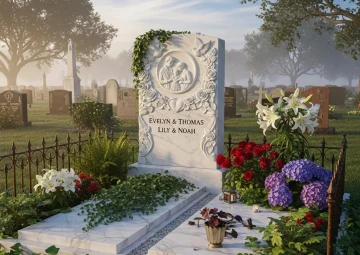
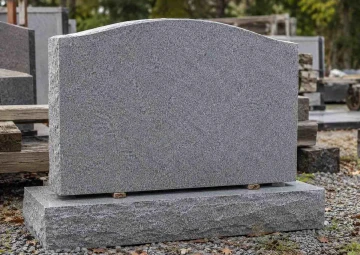
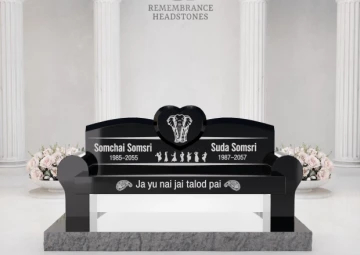
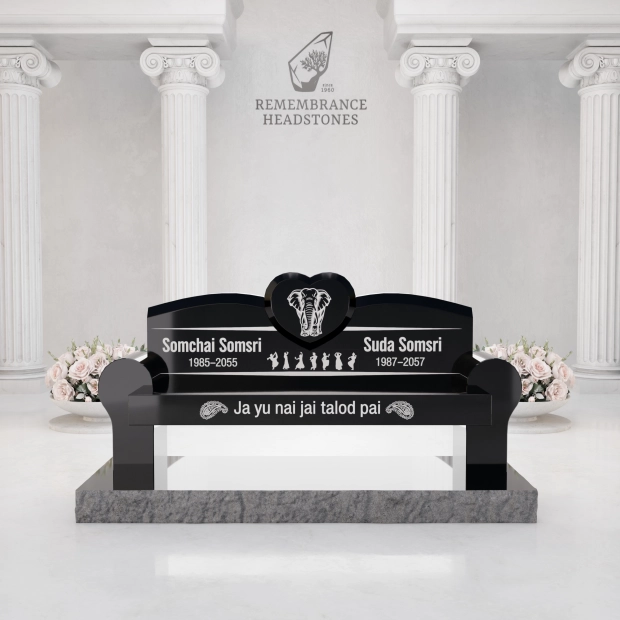
On a regular 24 by 12 inch marker, containing a full name and both dates, there is space for roughly four short lines. On a single tablet, there is enough space for six to eight lines. On a companion monument, which contains two names, the number is smaller than one may expect rather than larger because there are two names and four dates there.
There is a limit set by legibility. Carving letters, which are smaller than about three quarters of an inch on the stone, make the text readable outside at a distance. Such letters fill up with dirt and therefore trying to squeeze in extra text makes the inscription look crammed rather than fuller.
Write according to the word count. It is the most important rule in this task.
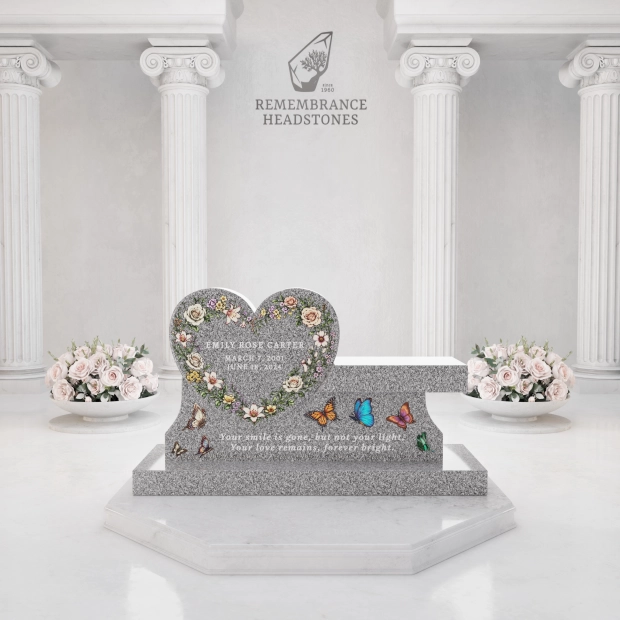
Four Questions Which Result in a Line
These questions are more helpful than any example list.
How did they refer to themselves? Not birth certificate. Robert, Bob, Bobby, Dad. Families tend to use the formal name and sometimes regret this afterwards.
What did they do all day? A trade, a role, an obsession. Farmer. Nurse. Thirty-eight years at the school. Kept bees. This will tell a stranger in fifty years about someone that no sentiment would.
What was the family saying to each other? Nearly every family has a saying, which seems ordinary enough not to be carved until seen on the stone.
Whom is this for? A widow visiting weekly and grandchildren who come three times a year are legitimate clients with different briefs. Neither of these requests should be dismissed.
Epitaphs on Headstones for Parents
This is the most frequent request and also the one in which families over-write the most.
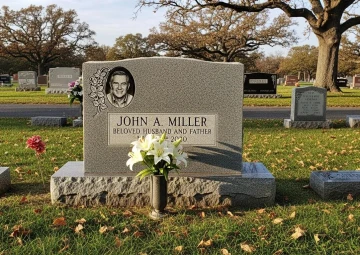
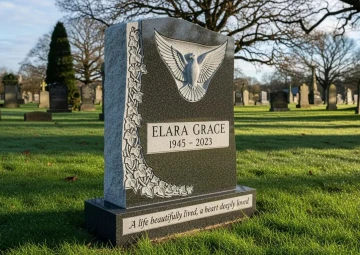
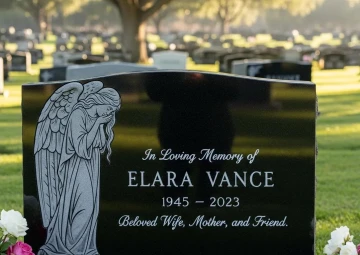
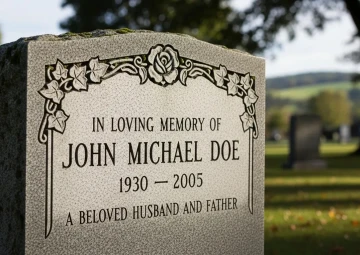
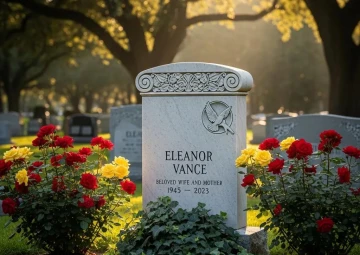
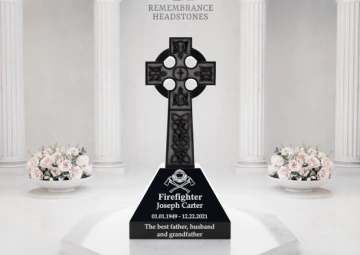
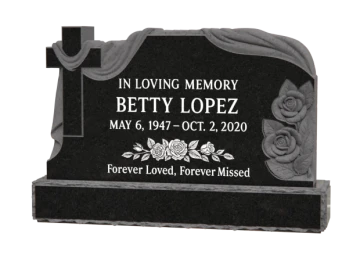
Conventional structure of such inscription consists of a line with relationships and one epitaph line.
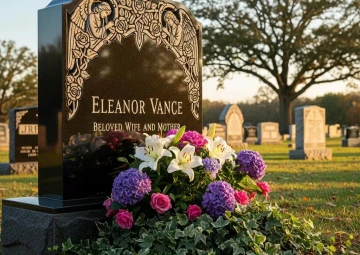
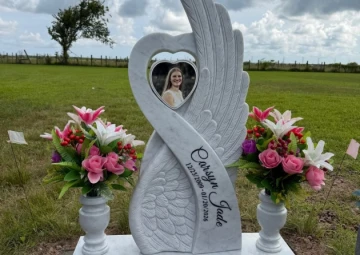
Beloved wife, mother and grandmother She made a home wherever she was
Devoted husband and father He built things that lasted
Practical notes about relationship lines. Put the relationships in the order of importance and not of formalities. Think forward because a stone, which reads mother and grandmother, will be correct for many years, whereas listing all the relationships at the time of death will age immediately.
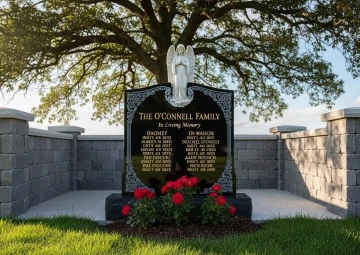
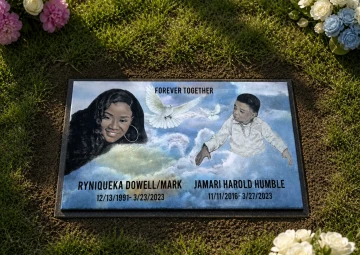
If it is a parents' stone, then the best option is one line, covering both rather than one line for each. Together fifty-one years will do more than two separate sentiments.
Military Headstone Inscription Examples
Service inscriptions have their own conventions and there is an important distinction to be made.
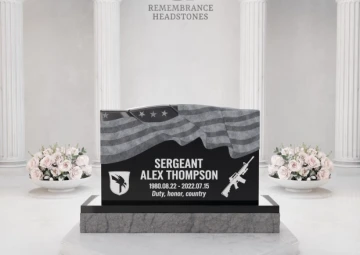
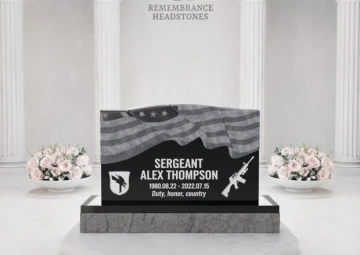
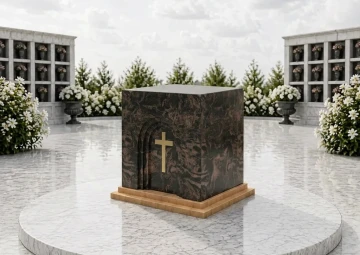
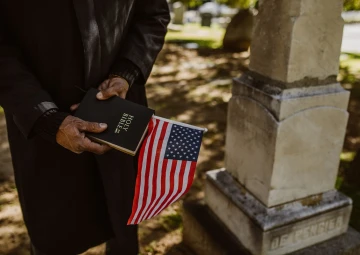
In case of a government-issued marker, the inscription is determined by the federal specification: name, branch of service, rank, war served in, dates of birth and death, and an emblem of belief from an approved list. A short personal inscription is allowed and has to be approved.
In case of a privately purchased memorial, one is not limited by anything.
Here are some examples that worked well:
SGT US Army, Vietnam He served, he came home, he raised four children USMC 1966 to 1970. Semper Fidelis Chief Petty Officer, United States Navy Korea 1951. He never spoke about it
This last example is more frequent than one would think and it is usually the only true thing on the stone.
Two conventions to be respected. Rank and branch of service are abbreviated according to the standard forms used by the services and getting this right matters for everybody who served. Also decorations follow a certain order set by the service and not by preference; this order needs to be verified before approving the proof.
Funny Epitaphs and Whether to Include a Humorous One
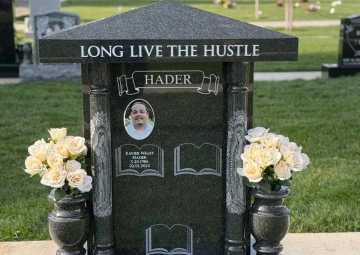
Tombstone epigraphs were funny for many centuries and the good examples are nearly always the product of the person buried under the stone.
This is the key point of the distinction between appropriate and inappropriate witty inscription. The joke chosen by the deceased will remain the last word. However, the same joke chosen by the relatives may be read differently in twenty years by a stranger who cannot hear the tone and did not know the person.
So: if this last wish was clearly stated, just respect it. Families honouring the deceased person's wish never regret this, even if it makes visitors laugh.
In case if such wish was not expressed, be cautious. Any wit that depends on knowing the person disappears as soon as all the people who knew him or her are gone and all that is left is a stranger who is reading something that no longer makes sense.
Also, cemeteries have a say in this matter. Nearly all of them reserve the right to reject an inscription and this may happen to any inappropriate phrase.
Headstone Inscriptions Ideas That Are Very Specific
What actually distinguishes a memorable epitaph from a forgettable one is not eloquence. It is specificity.
She grew roses nobody could match Forty-one years at the mill He never missed a game Put the kettle on She read every book in the house twice He would have fixed it The garden was hers
Nothing is poetic in these examples. But each of these lines refers to one unique person. In a row of forty stones reading beloved wife and mother, these are the ones people will stop to read.
If one's family can come up with a specific line, choose it over anything general.
Two Options That Are Rarely Used
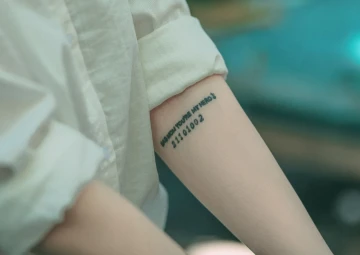
Handwriting. The inscription that is carved from the handwriting of the person, which is taken from the letter, the card or the signature and reproduced exactly.
It is a technically simple way to go on granite and a quite effective one.
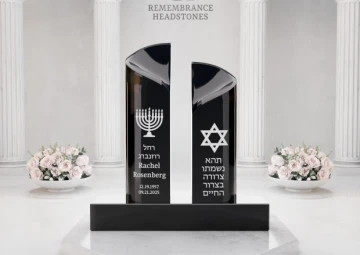
Second language. In case if the first language of one's family was not English, one line in it says something, which no translation can express. The inscription should be carved in the script of the family and be checked by a person who understands the language.
Checks Before Anything Is Cut
Read it aloud. Anything, which seems awkward when spoken aloud, will look even worse on the stone.
Count characters against the word count that is possible in the designed layout.
Double-check every date and spelling and ask another person to do the same. Name with variant spelling is the most frequent mistake and a misspelled name means recutting the stone.
Approve the scaled proof with the exact font and layout. Not a verbal confirmation and not a description.
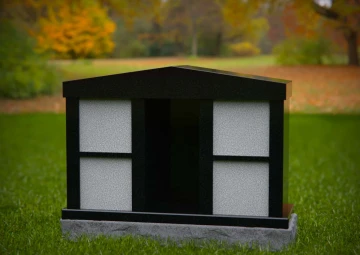
Think about the future. In case if it is a companion monument, decide now where the second name and date will go and ask the supplier to keep the design file so the additional inscription matches fifteen years later.
Spend More Time Than You Think You Should
Cemeteries do not impose any deadlines. There is no deadline.
The inscriptions that families regret the most are the ones, which were ordered in the fortnight after the funeral, when nobody thought clearly and everybody wanted the decision to be over. Six months later the same families write something better and it will stay on stone for a century anyway.
On terminology, since these are searched separately. A tombstone epitaph, an epitaph tombstone and the tombstone epitaph all mean the same thing: the part of the inscription that says something rather than records something. Headstone epitaphs, epitaphs for headstones and grave marker epitaphs are the same again. Inscriptions on tombstones and tombstone inscription cover everything cut into the stone, information included. Headstone inscriptions for parents follow the structure above, a relationship line plus one epitaph line. And funny epitaphs tombstones carry, or funny tombstone epitaphs as people also phrase it, work only when the person underneath chose them.